Australia on High Alert as Measles Outbreak Spreads: The Deadly Virus That’s ‘Preventable but Lethal’
- Measles cases surge globally, with 105 reported in Australia this year, mainly linked to travellers from South East Asia
- Health authorities warn of undetected spread in the community, fuelled by falling vaccination rates and overseas outbreaks
- New South Wales records 46 cases, the highest in 10 years, with alerts also issued in Victoria, Queensland, and Western Australia
- Doctors fear the number of cases will worsen due to misinformation and disinformation about vaccines
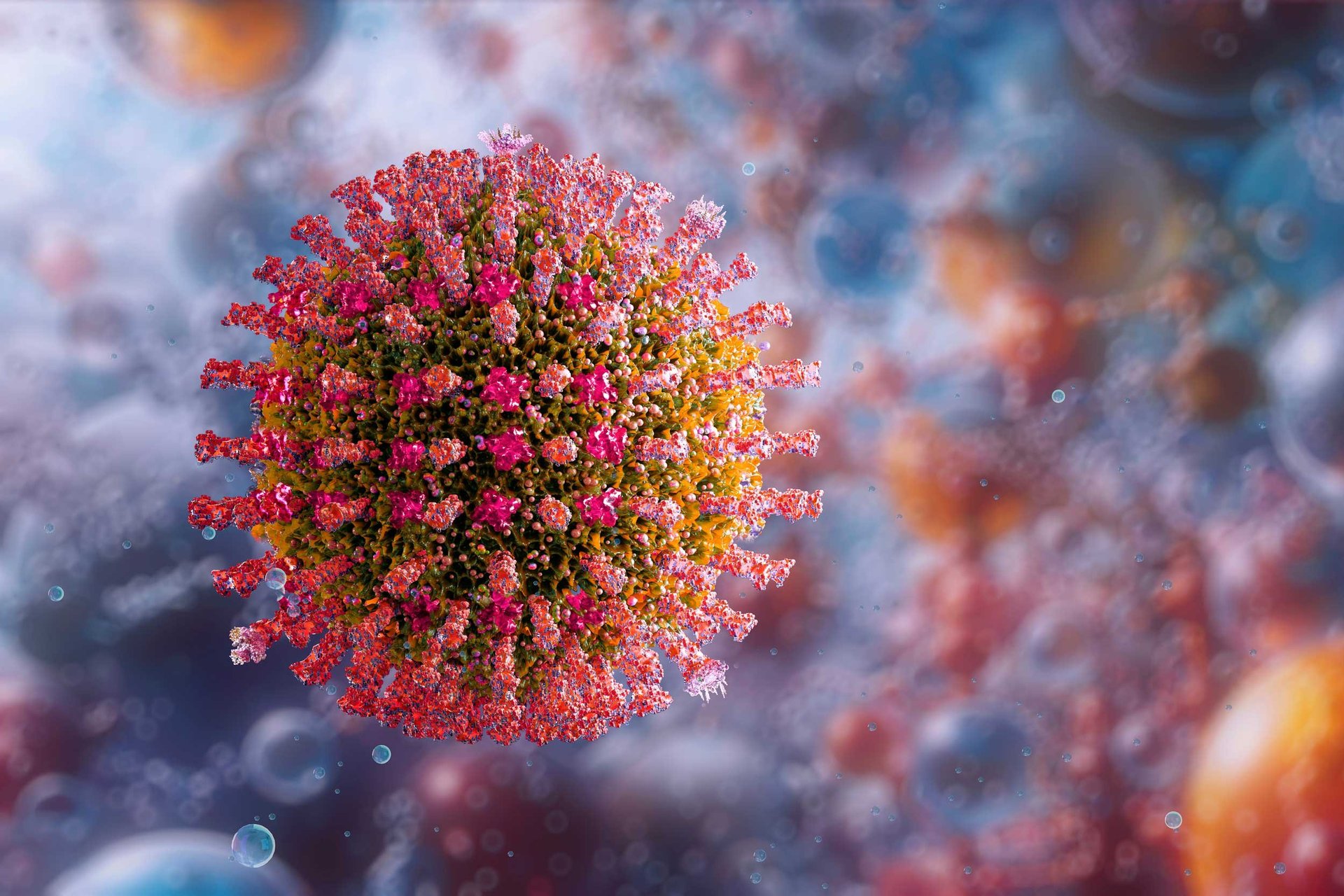
Australians have been warned to be on high alert as the world grapples with a surge in measles cases, a virus that was once considered eliminated in the country.
The alarm bells are ringing, and health authorities are scrambling to contain the spread of this highly infectious disease. With 105 cases recorded in Australia this year, mainly linked to travellers from South East Asia, the situation is dire.
The numbers are stark. New South Wales has experienced the biggest spike, with 46 cases recorded, the highest in 10 years.
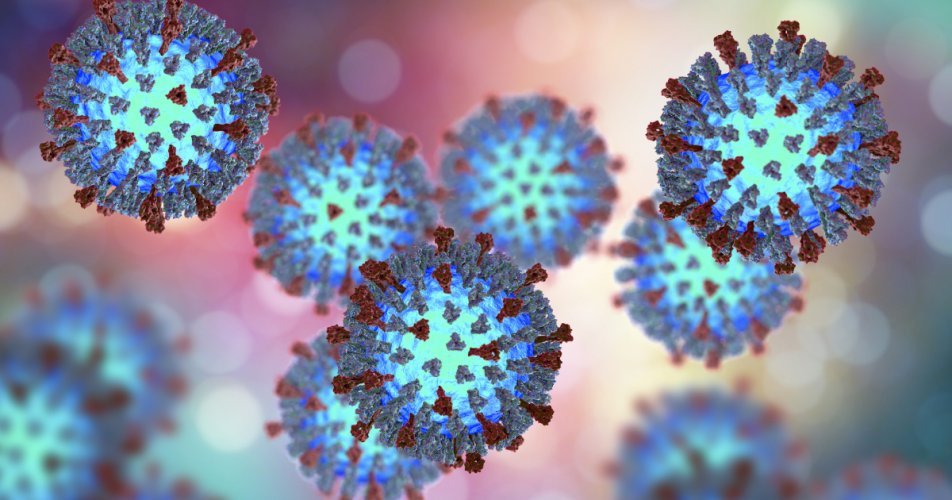
Alerts have also been issued in Victoria, Queensland, and Western Australia. But what’s even more concerning is that a handful of infections cannot be linked, sparking fears of undetected spread in the community.
So, what’s behind this surge? The answer lies in a combination of factors.


Overseas outbreaks, particularly in Europe, America, and Asia, have contributed to the spread. But there’s another culprit: falling vaccination rates.
Doctors are sounding the alarm, warning that misinformation and disinformation about vaccines are leading to a decline in immunization rates, making the population more susceptible to the virus.
But why should Australians be concerned? The answer is simple: measles is a deadly virus that’s preventable but lethal.
The World Health Organization (WHO) has warned that measles is one of the leading causes of death among young children, despite the availability of a safe and effective vaccine.
In Bangladesh, more than 300 people, mostly children, have died from the virus, a stark reminder of the devastating consequences of an outbreak.
Analysis: What This Means for Australia
The measles outbreak has significant implications for Australia’s national security and public health. The country’s vaccination rates have been declining in recent years, making it more vulnerable to outbreaks.
The current situation is a wake-up call for Australians to take vaccination seriously.
As security analysts say, “A decline in vaccination rates is a ticking time bomb, waiting to unleash a public health crisis.” Law enforcement insiders warn that the situation requires a coordinated response, involving health authorities, governments, and the community.
The economic and social consequences of a measles outbreak are also significant. A prolonged outbreak could lead to widespread illness, death, and disruption to essential services.
Industry observers believe that the outbreak could have a devastating impact on the tourism and education sectors, as well as the broader economy.
So, what can Australians do to protect themselves? The advice is clear: ensure you’re vaccinated before travelling overseas, especially to high-risk areas.
Check the exposure sites listed online and take precautions to avoid contact with infected individuals. As paediatric infectious diseases physician Linny Phuong says, “This is something that is preventable.
These deaths should not occur.” By taking action now, Australians can prevent the spread of this deadly virus and protect their communities.