Albanese Government Unveils $2 Billion Housing Boost: Can It Crack the Code to Unlocking Australia’s Housing Crisis?
- Australia’s housing crisis is set to receive a $2 billion injection in Tuesday night’s Budget, with a focus on unlocking up to 65,000 new homes.
- The funding will target critical infrastructure, including roads, water, and power projects, to help get housing developments off the ground.
- Experts warn that the housing supply crisis is a major threat to Australia’s economic stability, with affordability pressures squeezing households nationwide.
- As the Budget looms, economists are watching closely to see if the government can balance spending promises with worsening budget deficits and global economic uncertainty.
The Albanese Government is set to throw a lifeline to Australia’s embattled housing market, with a $2 billion injection in Tuesday night’s Budget aimed at unlocking up to 65,000 new homes.
The funding will be channeled into a new Local Infrastructure Fund, providing critical support for local governments and state utility providers to deliver essential infrastructure projects.
With the housing supply crisis deepening, the move is seen as a vital step towards addressing affordability pressures that are crippling households nationwide. The new funding will be spread over four years, with $500 million specifically reserved for regional Australia.
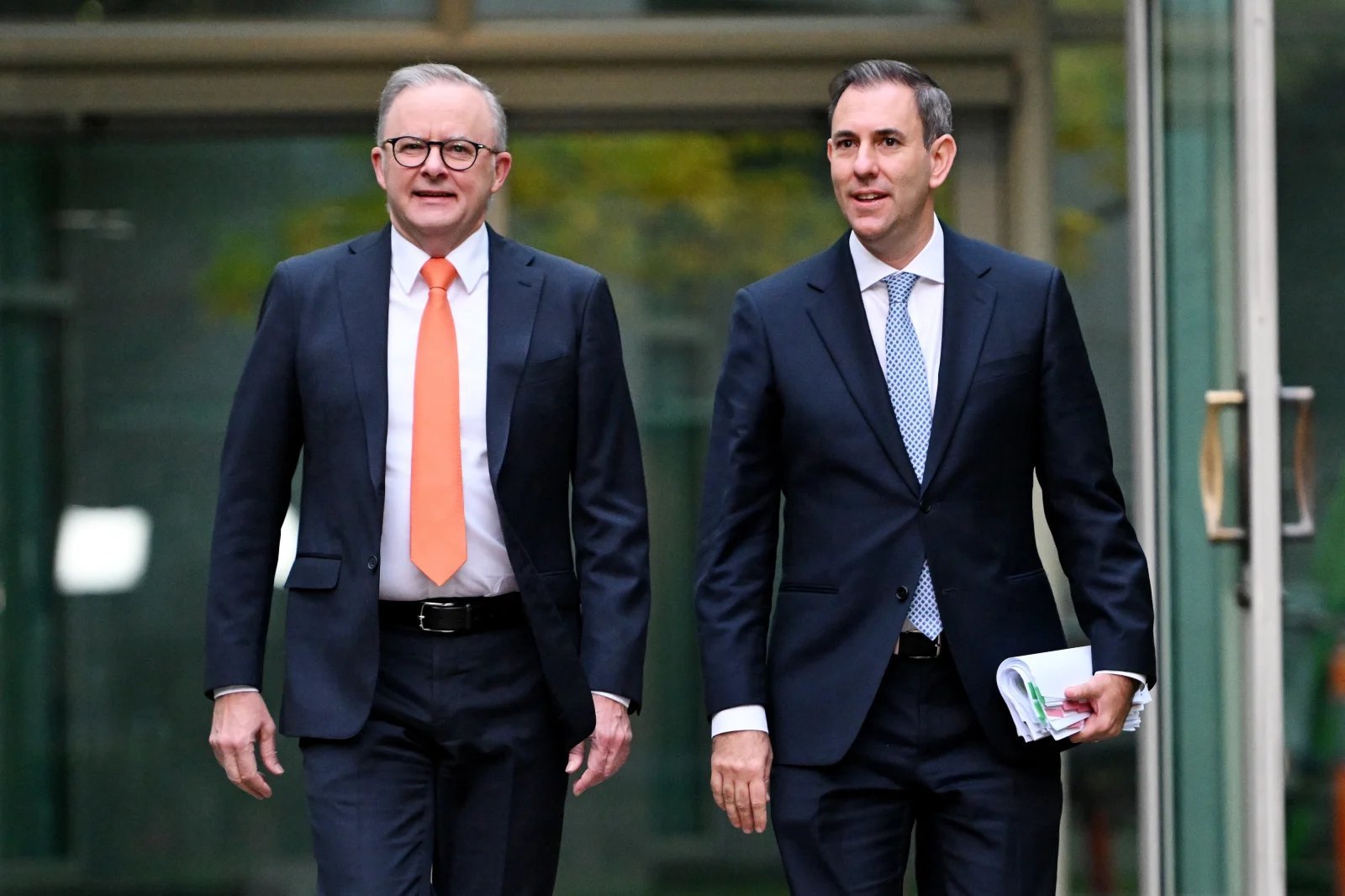
Treasurer Jim Chalmers has flagged housing as a major focus of the budget, acknowledging that it’s “too hard for too many Australians to get into their own home and get ahead.” Chalmers insists that the government is approaching the housing crisis “from every responsible angle,” with a focus on boosting supply to drive down prices.
Housing Minister Clare O’Neil believes the funding will be a game-changer, enabling the construction of new homes and communities. “This critical investment will literally lay the foundations for our country to build more homes, because more housing supply means more housing affordability,” O’Neil said.
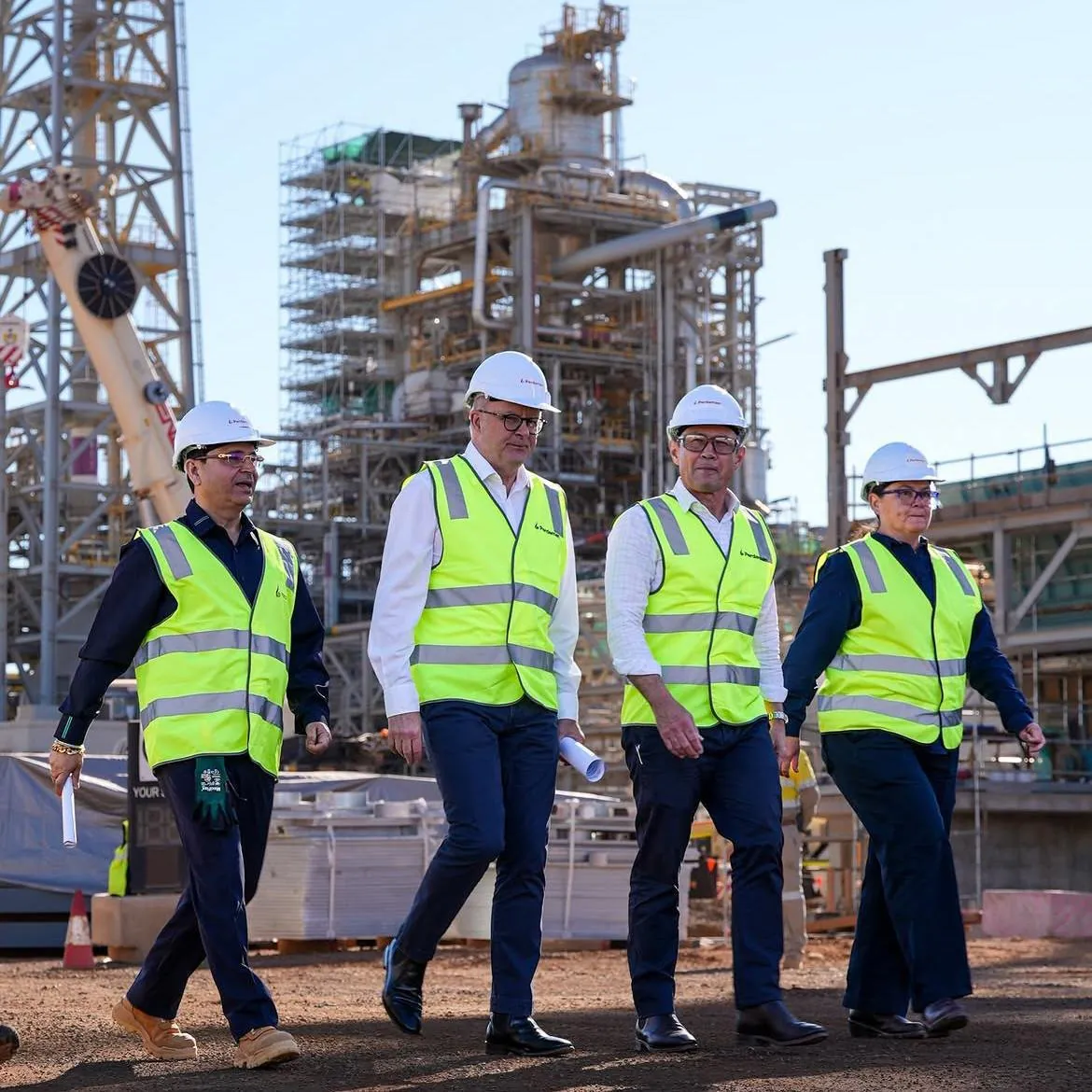



Infrastructure Minister Catherine King added that the funding will help councils struggling to fund enabling infrastructure, unlocking housing supply and delivering a much-needed boost to the economy.
But as the Budget looms, economists are warning of the dangers of fueling inflation with increased spending. With budget deficits worsening and global economic uncertainty on the rise, the government is walking a tightrope.
Can the Albanese Government’s $2 billion housing boost crack the code to unlocking Australia’s housing crisis, or will it simply be a drop in the ocean?
Analysis: What This Means for AustraliaThe housing supply crisis is a major threat to Australia’s economic stability, with affordability pressures squeezing households nationwide.
The Albanese Government’s $2 billion injection is a welcome move, but it’s just the beginning.
Security analysts say that the government must also address the root causes of the crisis, including a lack of supply, restrictive zoning laws, and a shortage of skilled labor.
Law enforcement insiders warn that the crisis is also having a major impact on community safety, with many families forced into overcrowded and unsuitable housing.
Industry observers believe that the government’s focus on boosting supply is a step in the right direction, but more needs to be done to address the demand side of the equation.
With interest rates on the rise and cost-of-living pressures mounting, many Australians are struggling to get into the housing market.
The government must find a way to balance its spending promises with the need to keep inflation under control, all while delivering a sustainable solution to the housing crisis.
As the Budget looms, one thing is clear: the Albanese Government’s $2 billion housing boost is just the beginning of a long and difficult journey to address Australia’s housing crisis.
With the economy on shaky ground and global uncertainty on the rise, the government must get it right – or risk exacerbating the very problems it’s trying to solve.
The Albanese Government is set to throw a lifeline to Australia’s embattled housing market, with a $2 billion injection in Tuesday night’s Budget aimed at unlocking up to 65,000 new homes. The funding will be channeled into a new Local Infrastructure Fund, providing critical support for local governments and state utility providers to deliver essential infrastructure projects. With the housing supply crisis deepening, the move is seen as a vital step towards addressing affordability pressures that are crippling households nationwide.
The new funding will be spread over four years, with $500 million specifically reserved for regional Australia. Treasurer Jim Chalmers has flagged housing as a major focus of the budget, acknowledging that it’s “too hard for too many Australians to get into their own home and get ahead.” Chalmers insists that the government is approaching the housing crisis “from every responsible angle,” with a focus on boosting supply to drive down prices.
Housing Minister Clare O’Neil believes the funding will be a game-changer, enabling the construction of new homes and communities. “This critical investment will literally lay the foundations for our country to build more homes, because more housing supply means more housing affordability,” O’Neil said. Infrastructure Minister Catherine King added that the funding will help councils struggling to fund enabling infrastructure, unlocking housing supply and delivering a much-needed boost to the economy.
But as the Budget looms, economists are warning of the dangers of fueling inflation with increased spending. With budget deficits worsening and global economic uncertainty on the rise, the government is walking a tightrope. Can the Albanese Government’s $2 billion housing boost crack the code to unlocking Australia’s housing crisis, or will it simply be a drop in the ocean?
The housing supply crisis is a major threat to Australia’s economic stability, with affordability pressures squeezing households nationwide. The Albanese Government’s $2 billion injection is a welcome move, but it’s just the beginning. Security analysts say that the government must also address the root causes of the crisis, including a lack of supply, restrictive zoning laws, and a shortage of skilled labor. Law enforcement insiders warn that the crisis is also having a major impact on community safety, with many families forced into overcrowded and unsuitable housing.
Industry observers believe that the government’s focus on boosting supply is a step in the right direction, but more needs to be done to address the demand side of the equation. With interest rates on the rise and cost-of-living pressures mounting, many Australians are struggling to get into the housing market. The government must find a way to balance its spending promises with the need to keep inflation under control, all while delivering a sustainable solution to the housing crisis.
As the Budget looms, one thing is clear: the Albanese Government’s $2 billion housing boost is just the beginning of a long and difficult journey to address Australia’s housing crisis. With the economy on shaky ground and global uncertainty on the rise, the government must get it right – or risk exacerbating the very problems it’s trying to solve.