One Nation’s Shocking Upset in Farrer: Has the Dam Wall Broken for Australia’s Major Parties?
- One Nation’s historic win in the seat of Farrer has left the Liberal and National parties reeling, with some insiders warning of an existential crisis.
- Barnaby Joyce’s defection to One Nation has given the party a psychological edge, allowing conservative voters to switch allegiance.
- The result has sparked fears of a populist wave sweeping Australia, with Labor also at risk of being punished by angry voters.
- The Liberal Party’s primary vote has plummeted to just 12.4% in Farrer, a seat it has held for 77 years.
The Australian electoral landscape has been turned on its head, with One Nation’s stunning victory in the seat of Farrer sending shockwaves through the major parties.
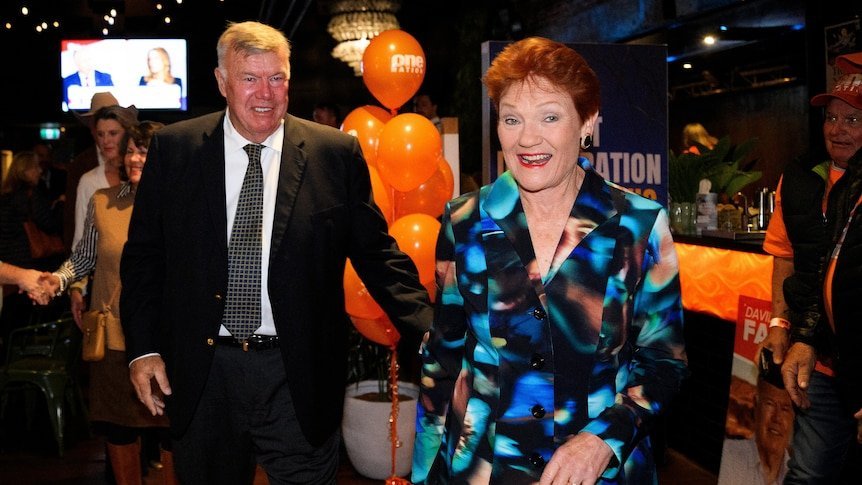
The win, which sees Pauline Hanson’s party claim its first lower house seat, has left the Liberal and National parties scrambling to respond to the populist surge.
One Nation’s candidate, David Farley, leapt ahead of community independent Michelle Milthorpe to seize the regional NSW electorate from the Liberals, ending the Coalition’s 77-year hold on the seat.
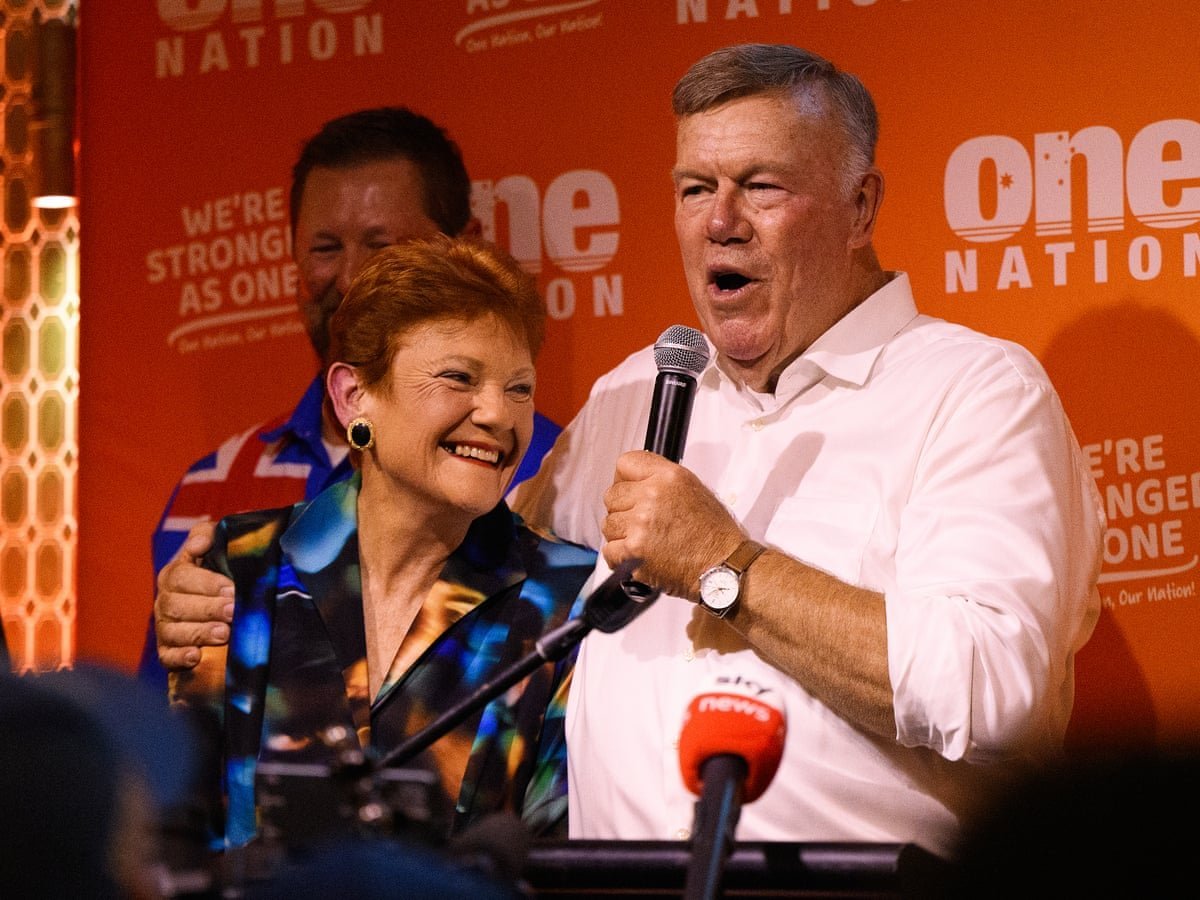
The result has sparked fears that the dam wall has finally broken for the major parties, with One Nation poised to capitalize on growing disillusionment with the political system.
But what’s behind this seismic shift in Australian politics? For years, One Nation has been building momentum, with Pauline Hanson’s message of discontent resonating with voters in regional areas.




The recruitment of Barnaby Joyce, the former Nationals leader and deputy PM, has given the party a psychological edge, allowing conservative voters to switch allegiance.
Security analysts say the rise of One Nation poses a significant threat to national security, as the party’s anti-immigration and anti-globalization rhetoric fuels division and social unrest.
“The current climate of fear and anxiety is a breeding ground for extremist ideologies,” warns one expert. “The major parties need to take a hard look at their policies and messaging to ensure they’re not inadvertently fueling the fire.”
The Liberal Party, in particular, is facing an existential crisis, with some insiders warning that the party’s heartland has been smashed. The party’s outer-suburban strategy, aimed at locking in regional votes, has backfired, with the regions following the urban centers’ precedent and rejecting the Coalition.
Law enforcement insiders warn that the rise of One Nation could lead to increased polarization and social unrest, as the party’s rhetoric fuels tensions between different communities.
“The current climate of division and mistrust is a perfect storm for extremist groups to flourish,” says one source. “The police need to be vigilant in monitoring these groups and preventing them from spreading hate and violence.”
Analysis: What This Means for AustraliaThe implications of One Nation’s win in Farrer are far-reaching, with the party’s populist message resonating with voters across the country.
The major parties need to take a hard look at their policies and messaging to ensure they’re not inadvertently fueling the rise of extremism.
Industry observers believe that the result heralds a new era of politics in Australia, with the traditional major parties facing a significant threat from minor parties and independents.
“The old rules of politics no longer apply,” says one commentator.
“The major parties need to adapt to the new landscape and find ways to engage with voters who are increasingly disillusioned with the system.”
As the dust settles on the Farrer by-election, one thing is clear: the Australian electoral landscape has changed forever.
The question now is, what’s next for the major parties, and how will they respond to the populist surge that’s threatening to upend the status quo?
Experts warn that the rise of One Nation poses significant economic and social consequences for Australia, from increased polarization and social unrest to decreased investor confidence and economic instability.
“The current climate of uncertainty is a major concern for business and investors,” says one economist. “The government needs to take a strong stance against extremism and promote policies that promote unity and stability.”
In the end, the Farrer by-election result is a wake-up call for the major parties, a reminder that the Australian people will no longer be taken for granted.
As the country heads towards the next federal election, one thing is clear: the rules of politics have changed, and the major parties need to adapt if they want to survive.
The Australian electoral landscape has been turned on its head, with One Nation’s stunning victory in the seat of Farrer sending shockwaves through the major parties. The win, which sees Pauline Hanson’s party claim its first lower house seat, has left the Liberal and National parties scrambling to respond to the populist surge.
One Nation’s candidate, David Farley, leapt ahead of community independent Michelle Milthorpe to seize the regional NSW electorate from the Liberals, ending the Coalition’s 77-year hold on the seat. The result has sparked fears that the dam wall has finally broken for the major parties, with One Nation poised to capitalize on growing disillusionment with the political system.
But what’s behind this seismic shift in Australian politics? For years, One Nation has been building momentum, with Pauline Hanson’s message of discontent resonating with voters in regional areas. The recruitment of Barnaby Joyce, the former Nationals leader and deputy PM, has given the party a psychological edge, allowing conservative voters to switch allegiance.
The Liberal Party, in particular, is facing an existential crisis, with some insiders warning that the party’s heartland has been smashed. The party’s outer-suburban strategy, aimed at locking in regional votes, has backfired, with the regions following the urban centers’ precedent and rejecting the Coalition.
The implications of One Nation’s win in Farrer are far-reaching, with the party’s populist message resonating with voters across the country. The major parties need to take a hard look at their policies and messaging to ensure they’re not inadvertently fueling the rise of extremism.
Industry observers believe that the result heralds a new era of politics in Australia, with the traditional major parties facing a significant threat from minor parties and independents. “The old rules of politics no longer apply,” says one commentator. “The major parties need to adapt to the new landscape and find ways to engage with voters who are increasingly disillusioned with the system.”
As the dust settles on the Farrer by-election, one thing is clear: the Australian electoral landscape has changed forever. The question now is, what’s next for the major parties, and how will they respond to the populist surge that’s threatening to upend the status quo?
In the end, the Farrer by-election result is a wake-up call for the major parties, a reminder that the Australian people will no longer be taken for granted. As the country heads towards the next federal election, one thing is clear: the rules of politics have changed, and the major parties need to adapt if they want to survive.