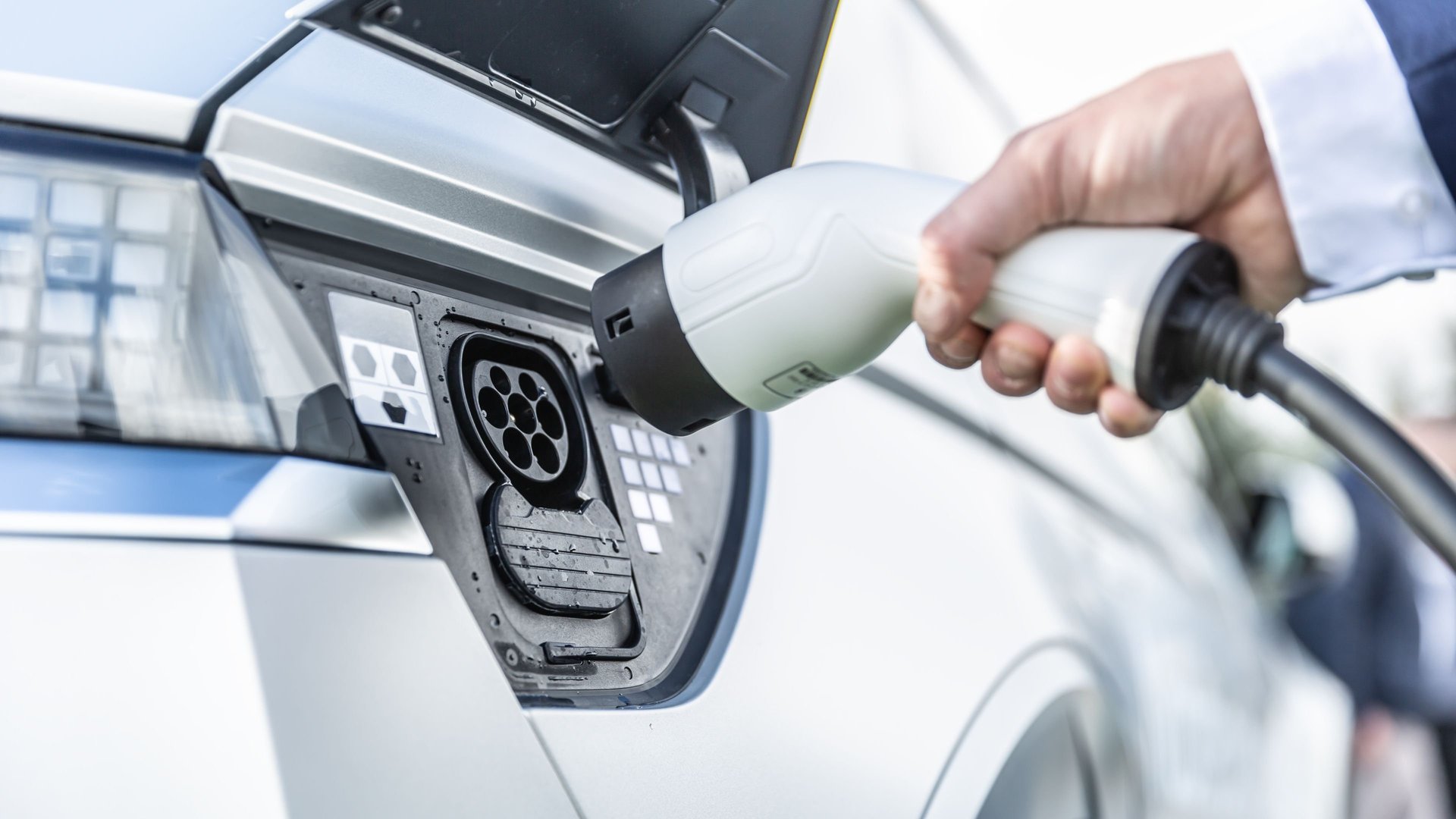
Australia’s Petrol-Powered Car Era Draws to a Close as Kia Abandons Pure Petrol Models for Hybrid-Only Approach
- Kia’s new Seltos range ditches pure petrol-powered models in favour of hybrid-only options, marking a significant shift in the industry
- The move is a response to Australia’s New Vehicle Efficiency Standards, which are forcing car makers to rethink their model line-ups
- Other brands, including Toyota, are also phasing out petrol-only options as the industry prepares for tighter emission rules
- The hybrid-only approach is expected to become the new norm as the country transitions to more environmentally friendly vehicles
The writing is on the wall for Australia’s petrol-powered cars, and Kia is one of the first manufacturers to sound the death knell. The company’s new Seltos range has ditched pure petrol-powered models in favour of a hybrid-only approach, marking a significant shift in the industry.
The move is a response to Australia’s New Vehicle Efficiency Standards, which are forcing car makers to rethink their model line-ups and future-proof their vehicles against tightening emission rules.
Kia Australia chief executive Damien Meredith says the decision reflects the changing needs of Australian new-car buyers, many of whom are now seriously considering the move to a hybrid vehicle for the first time.
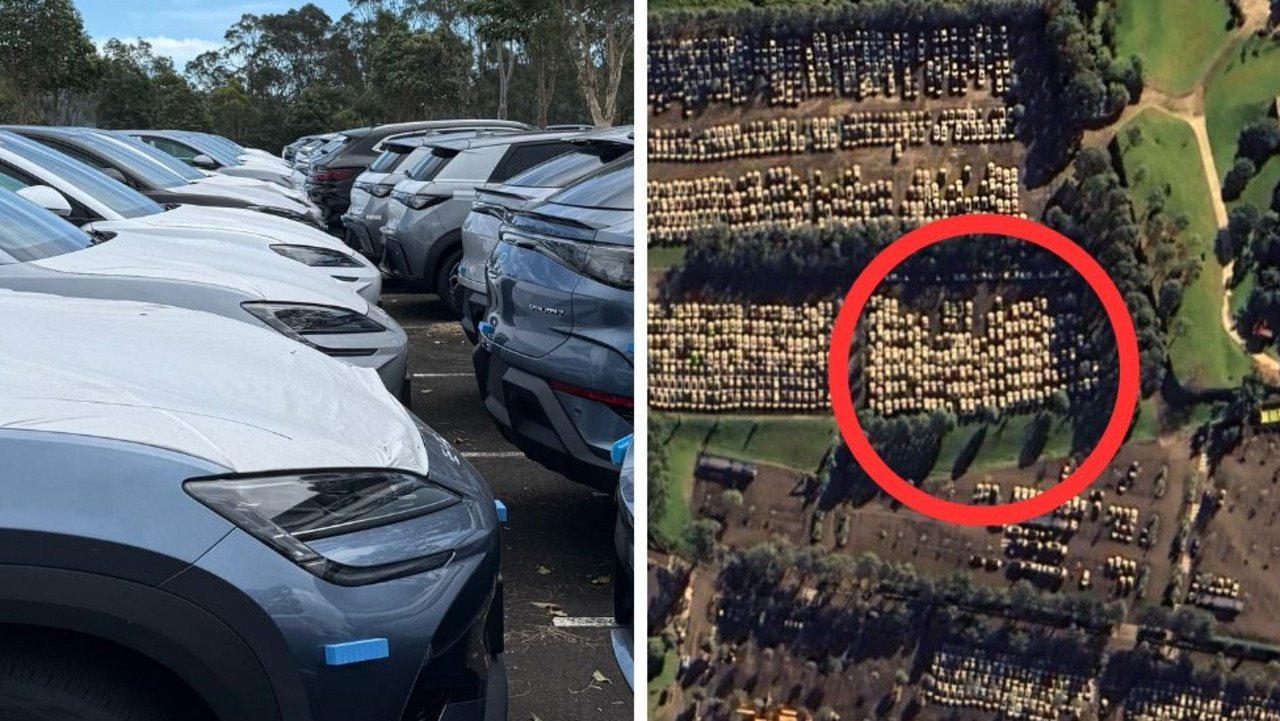
“Kia Australia is confident the all-new Seltos will meet the evolving needs of Australian new-car buyers,” Mr Meredith said. The Seltos uses the latest K3 platform, shared with models like the Niro and Kona, and tuned locally for Australian conditions.
While the specifications of the new Seltos are still under wraps, overseas examples point to a 1.6-litre petrol-electric setup, producing up to 113kW in front-wheel-drive form, and more in all-wheel-drive variants.


The added space and technology features, including a panoramic sunroof, dual 12.3-inch displays, and a head-up display projected onto the windscreen, make the Seltos feel like a premium vehicle.
But what does this mean for Australia’s car market? As the industry continues to shift towards more environmentally friendly vehicles, consumers can expect to see more hybrid and electric options on the market.
The move is likely to have significant implications for the country’s fuel industry, with petrol stations potentially becoming a thing of the past.
Analysis: What This Means for Australia
The shift towards hybrid and electric vehicles is likely to have far-reaching consequences for Australia’s economy and environment. As the country transitions away from petrol-powered cars, there will be significant economic benefits, including reduced fuel imports and lower greenhouse gas emissions.
However, there will also be challenges, including the need for significant investment in charging infrastructure and the potential for job losses in the fuel industry.
Security analysts say the move towards hybrid and electric vehicles will also have significant national security implications, as the country becomes less reliant on foreign oil imports.
“The shift towards hybrid and electric vehicles is a positive step towards reducing Australia’s reliance on foreign oil imports,” said one security analyst. “This will not only improve the country’s energy security but also reduce the risk of price volatility in the fuel market.”
Industry observers believe the move towards hybrid and electric vehicles will also have significant social consequences, including changes to the way people live and work.
“As the country transitions towards more environmentally friendly vehicles, we can expect to see changes to the way people live and work,” said one industry observer.
“This will include changes to urban planning, transportation systems, and even the way we design our homes and communities.”
Despite the challenges, the shift towards hybrid and electric vehicles is likely to have significant benefits for Australia’s environment and economy.
As the industry continues to evolve, consumers can expect to see more environmentally friendly options on the market, and the country can expect to reap the rewards of a more sustainable transport system.