
‘Justice System Fails Victims’: Fury as Young Thug Who Stomped on Police Officer’s Face Gets Lenient Sentence
- A 21-year-old man who brutally attacked an off-duty police officer, leaving him motionless on the ground, has had his jail sentence reduced to a community-based corrections order.
- Koby Weaver was convicted of reckless wounding in company after stomping on the officer’s face during an unprovoked attack in Sydney’s inner west.
- The decision has sparked outrage, with many questioning the justice system’s ability to protect victims and punish offenders.
- Weaver’s defence argued that he was young and impulsive, and that prison would only make him more dangerous.
The decision by District Court Chief Judge Sarah Huggett to reduce Koby Weaver’s sentence has left many in the community reeling.
The 21-year-old had been sentenced to two years’ jail for his role in a vicious attack that left an off-duty police officer with serious injuries.
But in a shocking turn of events, Weaver’s sentence was reduced to a community-based intensive corrections order, which will allow him to serve his sentence at home.

Weaver’s crime was anything but minor. On a night out in Newtown, he and his friends Danai Deneiderhavsein and Finley Goodwin got into an argument with two off-duty police officers.
The altercation escalated quickly, with Weaver stomping on the officer’s face and leaving him motionless on the ground.


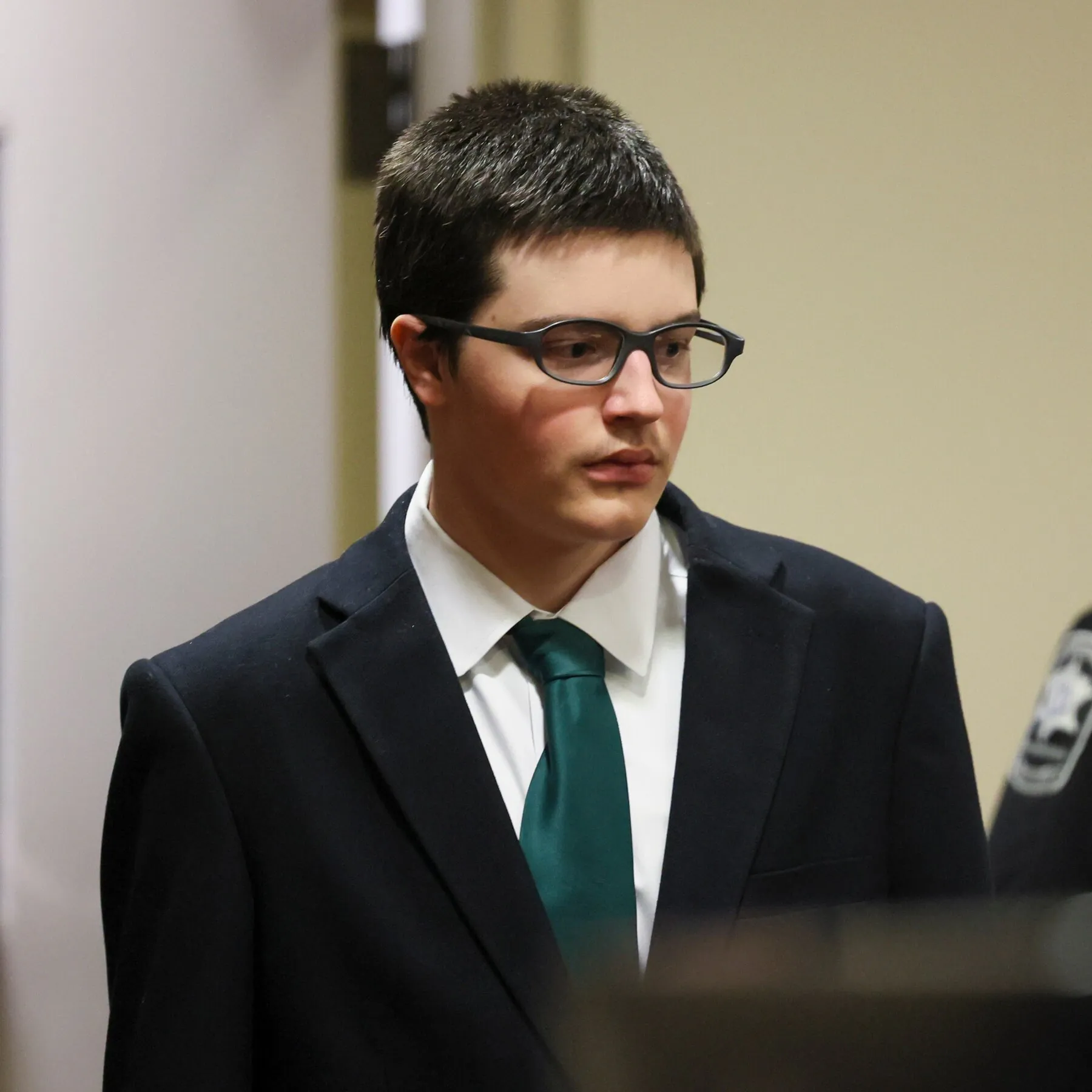

The court heard that Weaver’s actions were “impulsive” and that he was trying to help his friend break free, but the severity of the attack cannot be overstated.
The officer, who was simply out for a night with friends, suffered multiple facial fractures and was left needing CPR. The attack was caught on CCTV, with the footage showing the officer’s body going limp after Weaver’s brutal kick.
It’s a miracle that the officer survived the attack, and it’s a testament to the bravery of the passer-by who rendered CPR that he did.
Weaver’s defence argued that he was young and immature, and that prison would only make him more dangerous. But many are questioning whether this is a sufficient excuse for such a heinous crime.
The officer who was attacked was simply doing his job, and he was left with serious injuries as a result.
Is it right that Weaver gets to serve his sentence at home, while the officer is left to deal with the physical and emotional trauma of the attack?
Analysis: What This Means for AustraliaThe decision to reduce Weaver’s sentence has serious implications for law enforcement and public safety.
If offenders are not held accountable for their actions, it sends a message that violence against police officers is acceptable. This is a disturbing trend that has been emerging in recent years, with police officers facing increasing levels of violence and aggression on the job.
The fact that Weaver was able to relapse into drugs and alcohol at the time of the offence, despite having sought treatment for addiction, raises serious concerns about the effectiveness of our rehabilitation programs.
If offenders are not being held accountable for their actions, and if they are not being provided with the support they need to overcome their addiction, then it’s only a matter of time before they reoffend.
Security analysts say that this decision is a wake-up call for the justice system. “The decision to reduce Weaver’s sentence sends a message that violence against police officers is not taken seriously,” said one analyst.
“This is a disturbing trend that has serious implications for public safety.”
Law enforcement insiders warn that this decision will only embolden offenders, who will see that they can get away with violent behaviour.
“This decision is a slap in the face to the officer who was attacked, and to all police officers who put their lives on the line every day,” said one insider.
Industry observers believe that this decision highlights the need for tougher sentencing laws. “If offenders are not being held accountable for their actions, then it’s only a matter of time before they reoffend,” said one observer.
“We need to take a tougher stance on violent crime, and we need to make sure that offenders are held accountable for their actions.”
The decision to reduce Weaver’s sentence is a blow to the justice system, and it’s a reminder that we need to take a tougher stance on violent crime.
If we don’t, then we can expect to see more and more offenders like Weaver getting away with violent behaviour.
The decision by District Court Chief Judge Sarah Huggett to reduce Koby Weaver’s sentence has left many in the community reeling. The 21-year-old had been sentenced to two years’ jail for his role in a vicious attack that left an off-duty police officer with serious injuries. But in a shocking turn of events, Weaver’s sentence was reduced to a community-based intensive corrections order, which will allow him to serve his sentence at home.
Weaver’s crime was anything but minor. On a night out in Newtown, he and his friends Danai Deneiderhavsein and Finley Goodwin got into an argument with two off-duty police officers. The altercation escalated quickly, with Weaver stomping on the officer’s face and leaving him motionless on the ground. The court heard that Weaver’s actions were “impulsive” and that he was trying to help his friend break free, but the severity of the attack cannot be overstated.
The officer, who was simply out for a night with friends, suffered multiple facial fractures and was left needing CPR. The attack was caught on CCTV, with the footage showing the officer’s body going limp after Weaver’s brutal kick. It’s a miracle that the officer survived the attack, and it’s a testament to the bravery of the passer-by who rendered CPR that he did.
Weaver’s defence argued that he was young and immature, and that prison would only make him more dangerous. But many are questioning whether this is a sufficient excuse for such a heinous crime. The officer who was attacked was simply doing his job, and he was left with serious injuries as a result. Is it right that Weaver gets to serve his sentence at home, while the officer is left to deal with the physical and emotional trauma of the attack?
The decision to reduce Weaver’s sentence has serious implications for law enforcement and public safety. If offenders are not held accountable for their actions, it sends a message that violence against police officers is acceptable. This is a disturbing trend that has been emerging in recent years, with police officers facing increasing levels of violence and aggression on the job.
The fact that Weaver was able to relapse into drugs and alcohol at the time of the offence, despite having sought treatment for addiction, raises serious concerns about the effectiveness of our rehabilitation programs. If offenders are not being held accountable for their actions, and if they are not being provided with the support they need to overcome their addiction, then it’s only a matter of time before they reoffend.
Security analysts say that this decision is a wake-up call for the justice system. “The decision to reduce Weaver’s sentence sends a message that violence against police officers is not taken seriously,” said one analyst. “This is a disturbing trend that has serious implications for public safety.”
Law enforcement insiders warn that this decision will only embolden offenders, who will see that they can get away with violent behaviour. “This decision is a slap in the face to the officer who was attacked, and to all police officers who put their lives on the line every day,” said one insider.
Industry observers believe that this decision highlights the need for tougher sentencing laws. “If offenders are not being held accountable for their actions, then it’s only a matter of time before they reoffend,” said one observer. “We need to take a tougher stance on violent crime, and we need to make sure that offenders are held accountable for their actions.”
The decision to reduce Weaver’s sentence is a blow to the justice system, and it’s a reminder that we need to take a tougher stance on violent crime. If we don’t, then we can expect to see more and more offenders like Weaver getting away with violent behaviour.