Diphtheria Outbreak Spreads Fear: Is Australia’s Vaccination System Failing to Protect Its Citizens?
- Australia is in the grip of a diphtheria outbreak, with at least 240 cases and one death reported, sparking fears about the country’s vaccination system.
- Experts warn that under-vaccination is a major concern, with childhood vaccination rates dropping to alarming levels since the start of the COVID-19 pandemic.
- With winter approaching, Australians are being urged to get vaccinated against seasonal flu and other viruses, but many are unsure about their vaccination history and how to protect themselves.
- Falsehoods about diphtheria are spreading online, adding to the confusion and fear, as Indigenous communities are disproportionately affected by the outbreak.
The recent diphtheria outbreak in Australia has sent shockwaves across the country, leaving many wondering if the vaccination system is failing to protect its citizens. With at least 240 cases and one death reported, the situation is becoming increasingly dire.
According to infectious diseases physician and principal research fellow at Doherty Institute, Katherine Gibney, the outbreak is a stark reminder of the need to maintain high vaccination rates to protect against diseases that were once considered a thing of the past.
However, experts warn that under-vaccination is a major concern, with childhood vaccination rates dropping to alarming levels since the start of the COVID-19 pandemic.
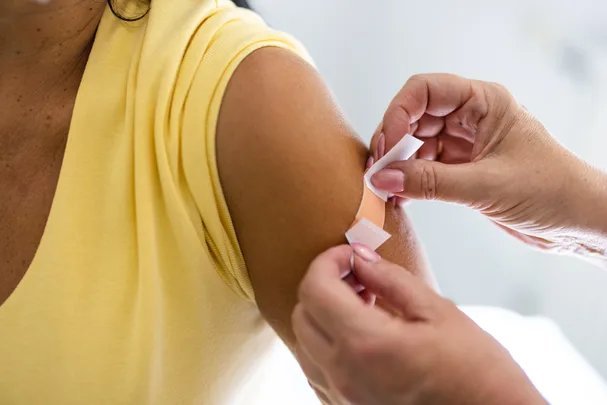
In 2024, the number of kids at 24 months who were fully vaccinated dropped below 90 per cent for the first time since 2016, according to figures from the National Centre for Immunisation Research and Surveillance.
This decline in vaccination rates is not only contributing to the current diphtheria outbreak but also driving the country’s deadly 2025 flu season.




So, how can Australians protect themselves and their families from this and other preventable diseases? The first step is to check that you’re up-to-date with your vaccinations.
Some vaccines, like the combined diphtheria, tetanus, and whooping cough jab, are only effective for a limited time and need to be updated regularly, especially if you live, work, or are traveling in a higher-risk place.
However, many people are unsure about their vaccination history and how to access their records.
According to Immunisation Coalition chairman Rod Pearce, the Australian Immunisation Register is the best place to start. People can apply online for an immunisation history statement, but Dr.
Pearce notes that there may be some missing data as Australia is in a “bit of a transition” period moving to the new system. If you don’t have a record or your records have been lost, the best thing to do is to talk to your GP.
Analysis: What This Means for Australia
The diphtheria outbreak has significant implications for Australia’s national security and public health. With the country’s vaccination system under scrutiny, it’s essential to address the underlying issues contributing to the decline in vaccination rates.
This includes tackling misinformation and falsehoods about vaccines that are spreading online and disproportionately affecting Indigenous communities.
Security analysts say that the outbreak highlights the need for a more robust and effective vaccination system, including better record-keeping and access to vaccination records.
Law enforcement insiders warn that the spread of misinformation online can have serious consequences, including the spread of preventable diseases.
Industry observers believe that the outbreak is a wake-up call for Australians to take their vaccination history seriously and to prioritize their health and wellbeing.
With winter approaching, it’s essential to get vaccinated against seasonal flu and other viruses, including COVID-19, to protect not only yourself but also your loved ones.
In conclusion, the diphtheria outbreak in Australia is a stark reminder of the need to maintain high vaccination rates and address the underlying issues contributing to the decline in vaccination rates.
By prioritizing our health and wellbeing, we can protect ourselves and our communities from preventable diseases and build a healthier and safer Australia for all.
Experts recommend that Australians take the following steps to protect themselves:
* Check your vaccination history and get vaccinated if you’re unsure
* Prioritize your health and wellbeing, especially during winter
* Be aware of the potential health risks when traveling and take necessary precautions
* Avoid spreading misinformation and falsehoods about vaccines
By working together, we can build a healthier and safer Australia for all.
* Check your vaccination history and get vaccinated if you’re unsure
* Prioritize your health and wellbeing, especially during winter
* Be aware of the potential health risks when traveling and take necessary precautions
* Avoid spreading misinformation and falsehoods about vaccines