Tasmanian Government Unveils Shocking Plan to Convert Troubled Youth Detention Centre into Minimum Security Prison and Farm
- Ashley Youth Detention Centre in Deloraine to close in 2028 and be repurposed as a low-security adult prison and agricultural rehabilitation facility
- Move comes as Tasmanian government seeks to address criticism over handling of youth detention and rehabilitation
- Proposal would see 40 minimum-security prisoners housed at the facility, with a focus on rural training and employment initiatives
- Government claims plan will provide a “practical and responsible pathway” for offender reintegration, but critics argue it’s a misguided attempt to revive a failed program
The announcement came as a surprise to many, as the Tasmanian government had previously considered turning the centre into a northern prison, only to axe the plan after significant community pushback.
However, it’s not the first time the government has attempted to revive the concept of a prison farm. In 2012, the Labor-Green government closed the Hayes Prison Farm in the state’s south, citing a $4.5 million repair bill.
The land was later sold by the Liberal government for $2.2 million.
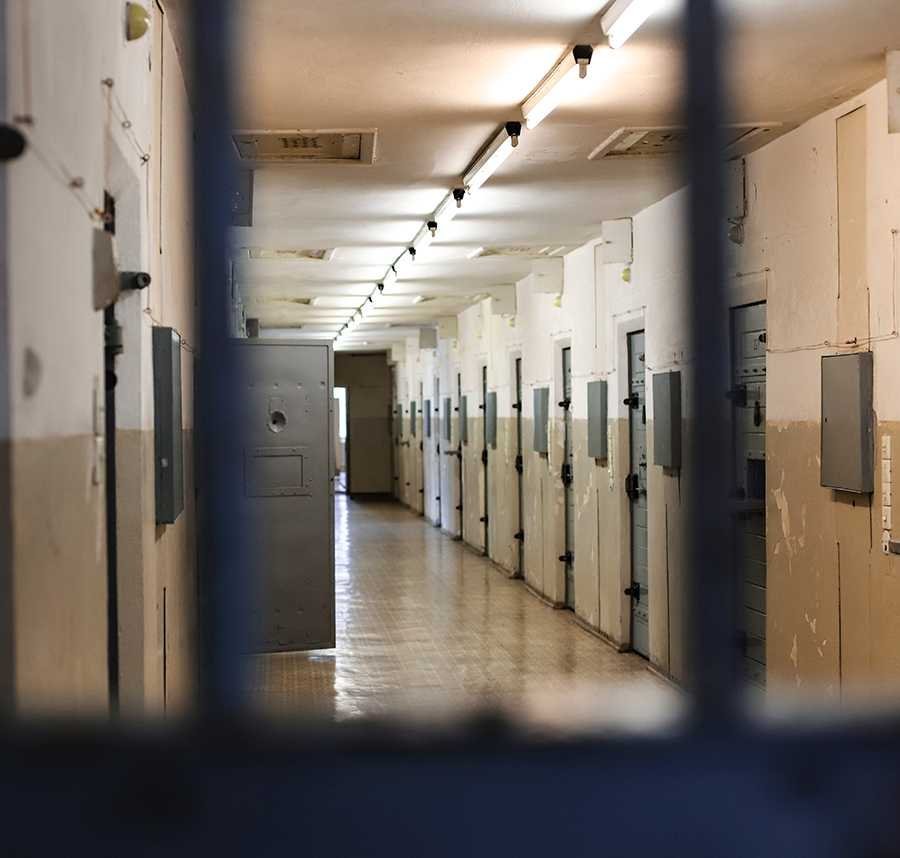
Minister for Justice, Corrections and Rehabilitation Guy Barnett claimed the new proposal would correct the “major misstep” of closing Hayes Prison Farm, which he argued diverted prisoners to higher-security facilities and reduced rehabilitation opportunities.
“We intend to correct that error, which will not only offer an environment conducive to rehabilitation and training for prisoners who have earnt the right to finish their sentence in a lower security setting, but also to sustain and create jobs in the Meander Valley and career pathways for northern-based correctional officers,” he said.




However, critics argue the plan is a misguided attempt to revive a failed program.
Tasmanian Greens Children and Young People spokesperson Cecily Rosol said the government needed to prioritize the needs of young people currently detained at Ashley, rather than rushing to repurpose the facility.
“More than two years ago, the Commission of Inquiry recommended closing Ashley as soon as possible. But the Liberals haven’t done the work to make that happen,” she said.
The proposal has sparked concerns about the government’s commitment to rehabilitation and its handling of youth detention. With the centre’s closure date now pushed out until 2028, many are questioning the government’s ability to deliver on its promises.
As one observer noted, “The government’s track record on corrections is patchy at best. This proposal smacks of a desperate attempt to revive a failed program, rather than a genuine effort to address the systemic issues plaguing the system.”
Analysis: What This Means for Australia
The proposal to repurpose Ashley Youth Detention Centre raises significant concerns about the government’s approach to rehabilitation and its handling of youth detention.
The plan’s focus on rural training and employment initiatives may provide a “practical and responsible pathway” for offender reintegration, but it also raises questions about the government’s commitment to addressing the systemic issues plaguing the system.
As Australia grapples with issues of overcrowding, recidivism, and rehabilitation, the Tasmanian government’s proposal serves as a timely reminder of the need for a more nuanced and evidence-based approach to corrections.
Security analysts say the proposal highlights the need for a more integrated approach to rehabilitation, one that takes into account the complex needs of offenders and the broader social and economic context in which they operate.
“The government’s proposal is a step in the right direction, but it’s only part of the solution.
We need to see a more comprehensive approach to rehabilitation, one that addresses the root causes of offending and provides a clear pathway for reintegration,” said one expert.
Law enforcement insiders warn that the proposal may also have unintended consequences, including the potential for increased recidivism rates and decreased community safety. “The government needs to be careful not to create a situation where offenders are released back into the community without the necessary support and supervision.
That’s a recipe for disaster,” said one source.
As the Tasmanian government moves forward with its proposal, it’s clear that the debate over rehabilitation and corrections is far from over.
With the fate of Ashley Youth Detention Centre hanging in the balance, one thing is certain: the government’s approach will have far-reaching consequences for the state’s corrections system, and for the community at large.