
Bombshell Testimony: Ex-US Attorney-General Pam Bondi Stonewalls Congress on Trump’s Ties to Jeffrey Epstein’s Sex Abuse Scandal
- Former US Attorney-General Pam Bondi refuses to answer questions about Donald Trump’s knowledge of Jeffrey Epstein’s crimes, sparking outrage among survivors and Democrats.
- Bondi claims Deputy Attorney-General Todd Blanche oversaw the release of Epstein case files, but Democrats accuse her of stonewalling and covering up for the President.
- Survivors of Epstein’s abuse criticize Bondi’s handling of the case, including the release of nude photos and personal information of potential victims.
- Democrats demand accountability for the botched release of Epstein files, which revealed ties between the financier and powerful figures including Trump, Bill Clinton, and Prince Andrew.
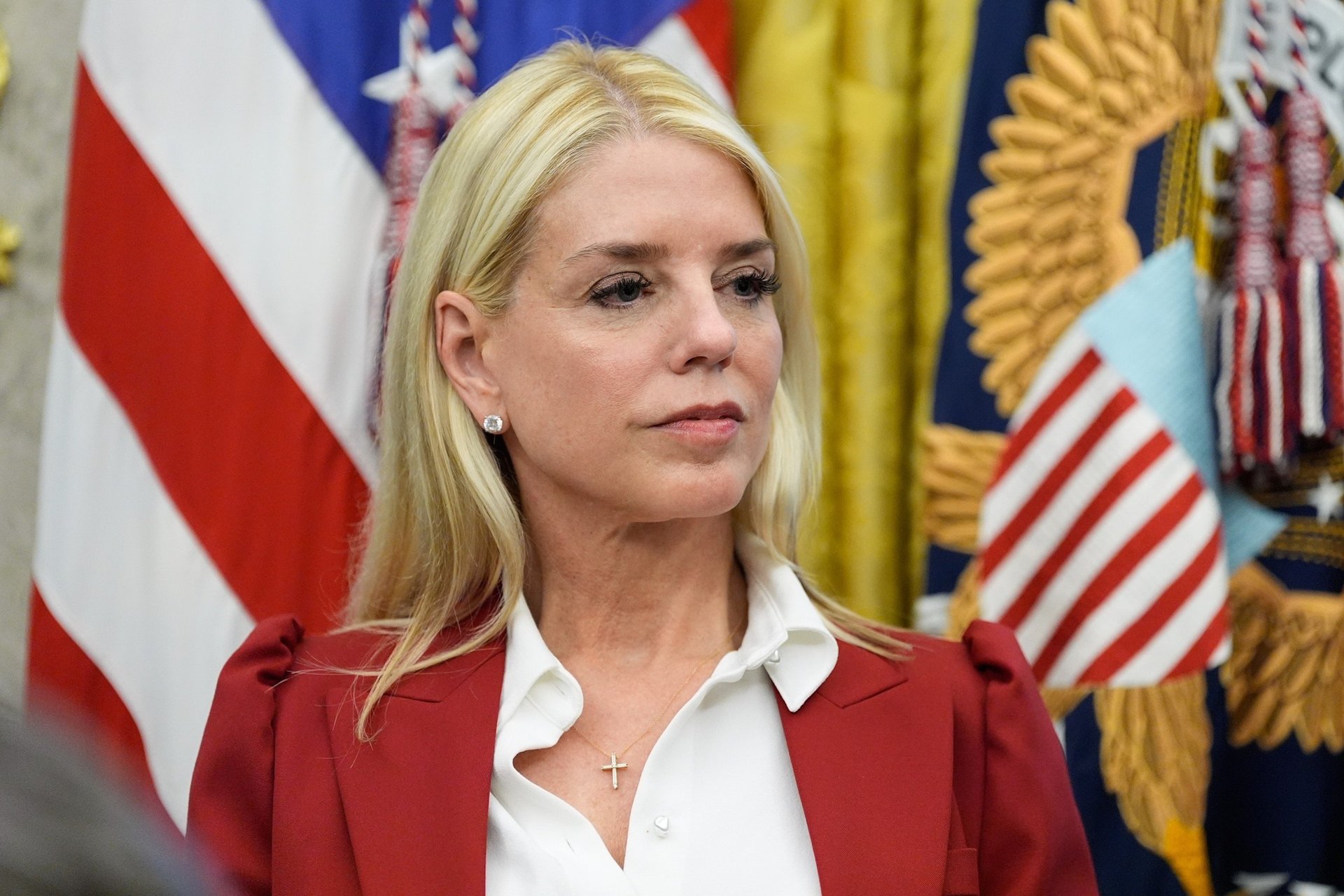
The explosive testimony of former US Attorney-General Pam Bondi has left survivors of Jeffrey Epstein’s sex abuse scandal and Democrats reeling, as she refused to answer questions about Donald Trump’s knowledge of the financier’s crimes.
In a closed-door interview before the House of Representatives Oversight Committee, Bondi claimed that Deputy Attorney-General Todd Blanche had overseen the release of Epstein case files, but her evasive answers sparked accusations of stonewalling and covering up for the President.
The Epstein case has been a lightning rod for controversy, with survivors criticizing Bondi’s handling of the release of millions of documents related to the financier’s sex trafficking and abuse of underage girls.
The files, which revealed ties between Epstein and powerful figures including Trump, Bill Clinton, and Prince Andrew, have raised questions about how much these individuals knew about Epstein’s activities.
Bondi’s refusal to answer questions about Trump’s knowledge of Epstein’s crimes has only added fuel to the fire, with Democrats demanding accountability for the botched release of the files.
The Epstein case has a complex and disturbing history, with the financier first pleading guilty to soliciting prostitution from a minor in 2008. However, it wasn’t until his arrest in 2019 on charges of sex trafficking and conspiracy that the full extent of his crimes became clear.
Epstein’s death in a New York City jail cell later that year only added to the mystery and outrage surrounding the case.
As the investigation into Epstein’s activities continues, the question of how much Trump and other powerful figures knew about his crimes remains a major point of contention.
Analysis: What This Means for Australia
The Epstein case has significant implications for Australia, particularly in terms of national security and law enforcement.
The fact that Epstein was able to carry out his sex trafficking and abuse of underage girls for so long, with apparent impunity, raises serious questions about the effectiveness of law enforcement agencies in detecting and preventing such crimes.
The case also highlights the need for greater transparency and accountability in the handling of sensitive information, particularly when it comes to high-profile individuals.
Security analysts say that the Epstein case demonstrates the need for a more robust approach to combating sex trafficking and abuse, one that involves cooperation between law enforcement agencies and other stakeholders.
“The Epstein case shows us that sex trafficking and abuse can occur at the highest levels of society, and that it requires a coordinated and sustained effort to detect and prevent,” said one analyst.
“Australia needs to take a strong stance on this issue, and ensure that our laws and law enforcement agencies are equipped to deal with these types of crimes.”
Law enforcement insiders warn that the Epstein case is just the tip of the iceberg, and that there are likely many more cases of sex trafficking and abuse waiting to be uncovered.
“The Epstein case is a wake-up call for Australia, and a reminder that we need to be vigilant in our efforts to combat these types of crimes,” said one insider.
“We need to ensure that our laws and law enforcement agencies are robust enough to deal with these types of cases, and that we are providing the necessary support to victims and survivors.”