
Teenager’s Leg Ripped Off by Shark in Second Brutal Attack in 24 Hours on Brazilian Coast: ‘She Was Drifting Further Away and Losing Strength’
- A 19-year-old girl’s life hangs in the balance after a shark tore off her leg in a horrific attack on a Brazilian beach, just a day after an 11-year-old boy was wounded in a separate incident in the same region.
- The attacks have sparked widespread panic and raised concerns about the safety of the popular tourist destination, with officials urging visitors to exercise extreme caution when swimming in the area.
- The latest victim, Marcela Vitoria de Lima Santos, was swimming with relatives and friends on Boa Viagem beach in Recife when the shark struck, leaving her severely injured and fighting for her life.
- The incident has highlighted the growing threat of shark attacks in the region, with 84 recorded incidents along the coast of Pernambuco since 1992, according to local authorities.
The sun-kissed beaches of Recife, Brazil, turned into a scene of horror on June 1, 2026, when a 19-year-old girl’s leg was ripped off by a shark, just 24 hours after a similar attack left an 11-year-old boy severely injured in the same region.
The latest victim, Marcela Vitoria de Lima Santos, was swimming with relatives and friends on Boa Viagem beach when the shark struck, leaving her severely injured and fighting for her life.
According to eyewitnesses, Marcela’s cousin, Jonas André de Lima, a security guard, sprang into action when he noticed her drifting further away from shore and losing strength.
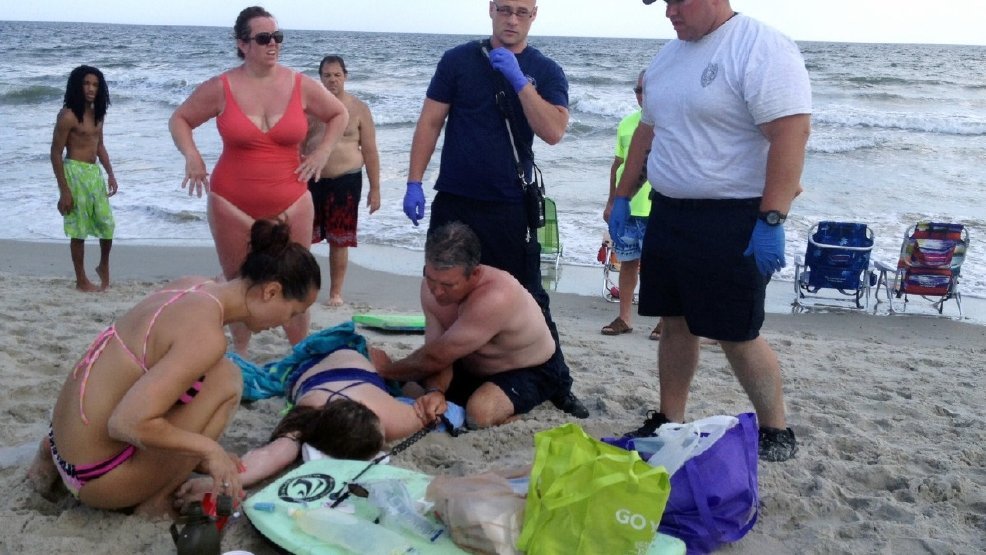
Without hesitation, he entered the sea and pulled her back towards land, calling for help from people on the beach.
Others quickly rushed into the water and assisted in bringing her safely to shore, where a visiting doctor, Mike Andrade, provided first aid and treated her injuries before emergency services arrived.
Marcela was taken to Hospital Alfa in Boa Viagem, where she received initial emergency treatment and was stabilised.
She was later transferred to Hospital da Restauracao in central Recife for further care, where medical staff confirmed she underwent surgery and described her condition as serious.
The incident has sent shockwaves through the community, with many left wondering how such a tragedy could occur in a popular tourist destination.
The attack on Marcela was the 84th recorded along the coast of Pernambuco since the beginning of the historical series in 1992, according to data from the State Committee for Monitoring Shark Incidents (Cemit).
The region has a reputation for being a shark hotspot, with several species of sharks, including the aggressive tiger shark, known to frequent the waters. Despite this, many beaches in the area lack adequate shark netting or warning systems, leaving swimmers vulnerable to attacks.
Security analysts say the incident highlights the need for improved safety measures and better communication between authorities and the public.
“The fact that two shark attacks occurred in the same region within 24 hours is a clear indication that more needs to be done to protect beachgoers,” said one expert.
“It’s not just about putting up warning signs or using shark nets; it’s about educating the public on how to identify potential shark habitats and take necessary precautions.”
Law enforcement insiders warn that the incident could have significant implications for the local tourism industry, which is already reeling from the COVID-19 pandemic. “The last thing we need is for people to be scared off by shark attacks,” said one official.
“We need to take concrete steps to address this issue and restore confidence in our beaches.”
Analysis: What This Means for Australia
While the incident occurred in Brazil, it serves as a stark reminder of the importance of shark safety in Australia, where several species of sharks are known to frequent the waters.
With the country’s extensive coastline and popular beaches, the risk of shark attacks is ever-present. The incident highlights the need for Australian authorities to review their shark safety protocols and ensure that adequate measures are in place to protect beachgoers.
Industry observers believe that the incident could lead to increased calls for improved shark mitigation strategies, including the use of shark nets and surveillance systems. “The technology is available, and it’s time for us to take a proactive approach to shark safety,” said one expert.
“We can’t just sit back and wait for another tragedy to occur.”