Teenage Terror: 13-Year-Old Boy’s Bail Adjourned After Allegedly Plotting to Attack Queensland School
- A 13-year-old boy has been charged with violent extremist offences, including planning to cause death or grievous bodily harm, after allegedly threatening staff with a knife at a service station.
- The boy’s bail application has been adjourned until he is released from hospital, where he is being held for his own safety and the safety of others.
- Police claim the teenager posed an “imminent threat” to a local school, sparking a major counter-terrorism investigation.
- The case has raised concerns about the radicalization of young people and the ability of law enforcement to detect and prevent terrorist plots.
The Hervey Bay Magistrates Court was expected to hear the bail application of a 13-year-old boy charged with violent extremist offences, but the matter was adjourned until later this month.
The boy, who cannot be named for legal reasons, was charged with one count each of preparation or planning to cause death or grievous bodily harm and possessing or controlling violent extremist material obtained or accessed using a carriage of service.
Defence Barrister Clem Van Der Weegen told the court that his client wanted to appear in person, but this was not possible due to his current hospitalization.
Mr Van Der Weegen spoke with the boy’s doctor, who indicated that he would not be discharged from hospital until he was “at no risk to himself or others”, which was likely to be next week.
The court was told that the boy’s mental health was a concern, and he was being held in hospital for his own safety and the safety of others.



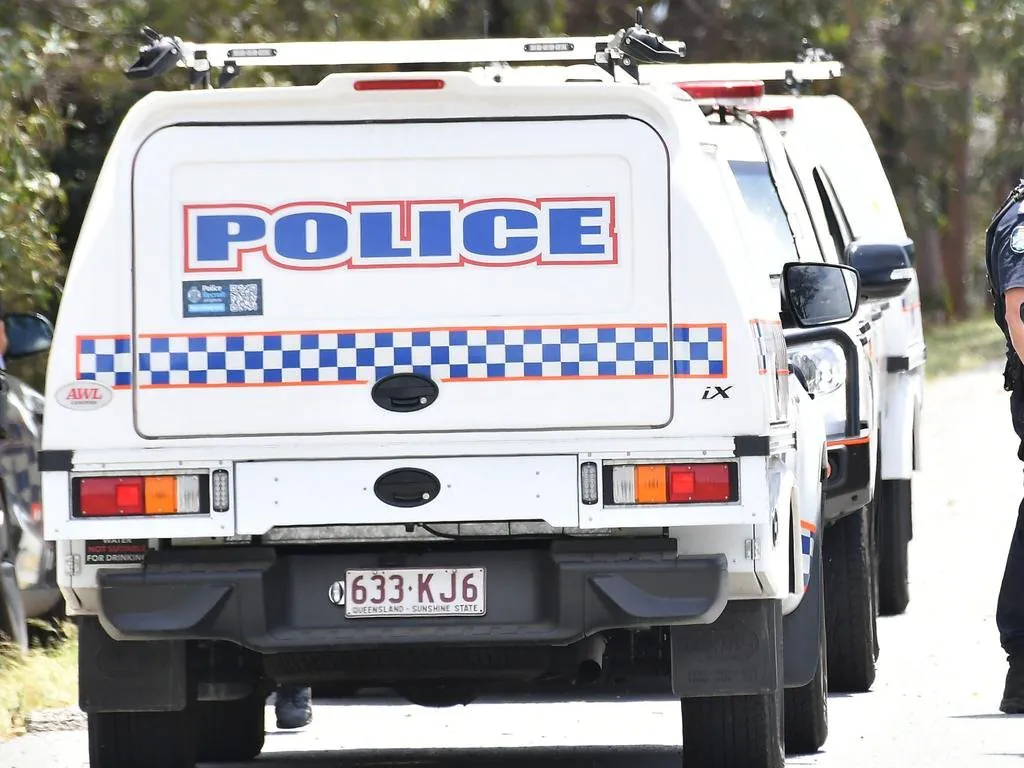
The boy’s arrest on May 28 followed a dramatic incident at a service station on Saltwater Creek Road in Maryborough, where he allegedly threatened staff with a knife.
He was taken into custody and released, but further investigations led to the search of a Maryborough home on Saturday, where several electronic devices were seized.
The boy was subsequently charged with two violent extremist offences.
The case has sparked concerns about the radicalization of young people and the ability of law enforcement to detect and prevent terrorist plots. Security analysts say that the case highlights the need for increased vigilance and cooperation between law enforcement agencies to prevent such incidents.
“This case is a wake-up call for all of us,” said one security expert.
“We need to be more proactive in identifying and preventing the radicalization of young people, and we need to work together to share intelligence and prevent such incidents from occurring.”
Law enforcement insiders warn that the case is a classic example of the “lone wolf” phenomenon, where an individual becomes radicalized and plans to carry out a terrorist attack without any direct links to a terrorist organization.
“These cases are the most difficult to detect and prevent,” said one law enforcement source. “We need to be more vigilant and proactive in identifying such individuals and preventing them from carrying out their plans.”
Analysis: What This Means for Australia
The case raises serious concerns about national security and the ability of law enforcement to detect and prevent terrorist plots. It also highlights the need for increased vigilance and cooperation between law enforcement agencies to prevent such incidents.
The case is a wake-up call for all Australians to be more aware of the risks of terrorism and to report any suspicious activity to the authorities.
Industry observers believe that the case will lead to increased scrutiny of social media and online platforms, where extremist material can be accessed and disseminated. “This case highlights the need for social media companies to take greater responsibility for removing extremist content from their platforms,” said one industry expert.
“We need to work together to prevent the spread of extremist ideology and to protect our communities from harm.”