Trump’s Secret Deal with Iran: A $425 Billion Gamble That Puts Australia’s National Security at Risk
- Leaked documents reveal a draft agreement that favors Iran’s demands, sparking concerns over US concessions and Australia’s regional security
- The deal could see the US lift economic sanctions and provide billions in reconstruction aid to Iran, despite ongoing nuclear tensions
- Experts warn the agreement may embolden Iran’s aggressive behavior in the Middle East, threatening Australia’s national interests and regional stability
- Israel’s prime minister has distanced himself from the deal, citing concerns over Iran’s nuclear program and its support for militant groups
The world watched with bated breath as the US and Iran engaged in a high-stakes game of cat and mouse, with Donald Trump calling off a third day of strikes and claiming a “great settlement” had been reached.
But as details of the draft agreement emerge, it appears Iran is getting the upper hand, leaving many wondering what the US has gained from the deal.
According to Iranian state media, the agreement would see the US lift economic sanctions and provide billions in reconstruction aid to Iran, worth at least $425 billion.
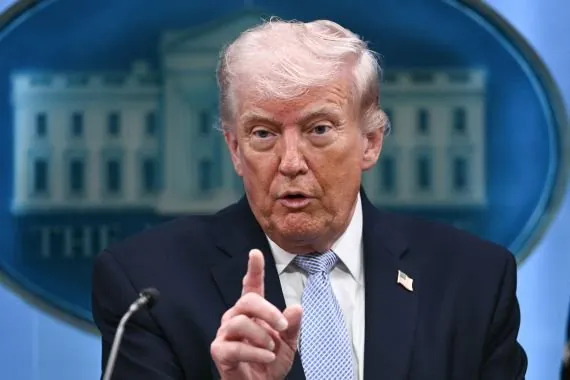
This is a significant concession, given the US has been blockading Iranian ports and ships in the Strait of Hormuz for months. The blockade has been a contentious issue in the negotiations, with Iran demanding recognition of its rights over the vital maritime corridor.
The deal also appears to favor Iran’s nuclear program, pushing the debate over its stockpiles of enriched uranium down the road. This is a concern for Australia, given our commitment to non-proliferation and regional security.


Experts warn that the agreement may embolden Iran’s aggressive behavior in the Middle East, threatening Australia’s national interests and regional stability.
But what does this mean for Australia?
Analysis: What This Means for Australia is that our national security is potentially at risk.
Iran’s support for militant groups, such as Hezbollah in Lebanon and the Houthis in Yemen, is a point of dispute in the agreement. If the deal is finalized, it could see an increase in Iranian influence in the region, posing a threat to Australia’s allies and interests.
Security analysts say the agreement is a “bad deal” for the US and its allies, including Australia. “It’s a concession to Iran’s demands, and it doesn’t address the core issues of its nuclear program and support for terrorism,” said one expert.
“It’s a gamble that could have far-reaching consequences for regional security and Australia’s national interests.”
Law enforcement insiders warn that the deal could also have implications for Australia’s counter-terrorism efforts.
“Iran’s support for militant groups is a concern for us, and this deal could see an increase in Iranian influence in the region,” said one official.
“We need to be vigilant and ensure that our counter-terrorism efforts are robust and effective.”
As the situation continues to unfold, one thing is clear: the stakes are high, and the consequences of this deal could be far-reaching for Australia’s national security and regional stability.