Victoria’s Bail Laws Spark Fears of Another Preventable Indigenous Death in Custody as Prison System Struggles to Cope with Influx of Unsuspected Prisoners
- Victoria’s tough-on-crime bail laws have led to a surge in the number of people in prison, sparking fears of another preventable Indigenous death in custody.
- The state’s prison system is struggling to cope with the influx, with critics warning of inadequate facilities, lack of medical staff, and increased risk of violence.
- Legal advocates and corrections officers are sounding the alarm, citing the need for urgent reform to prevent a repeat of the tragic death of Veronica Nelson, who died in custody in 2020.
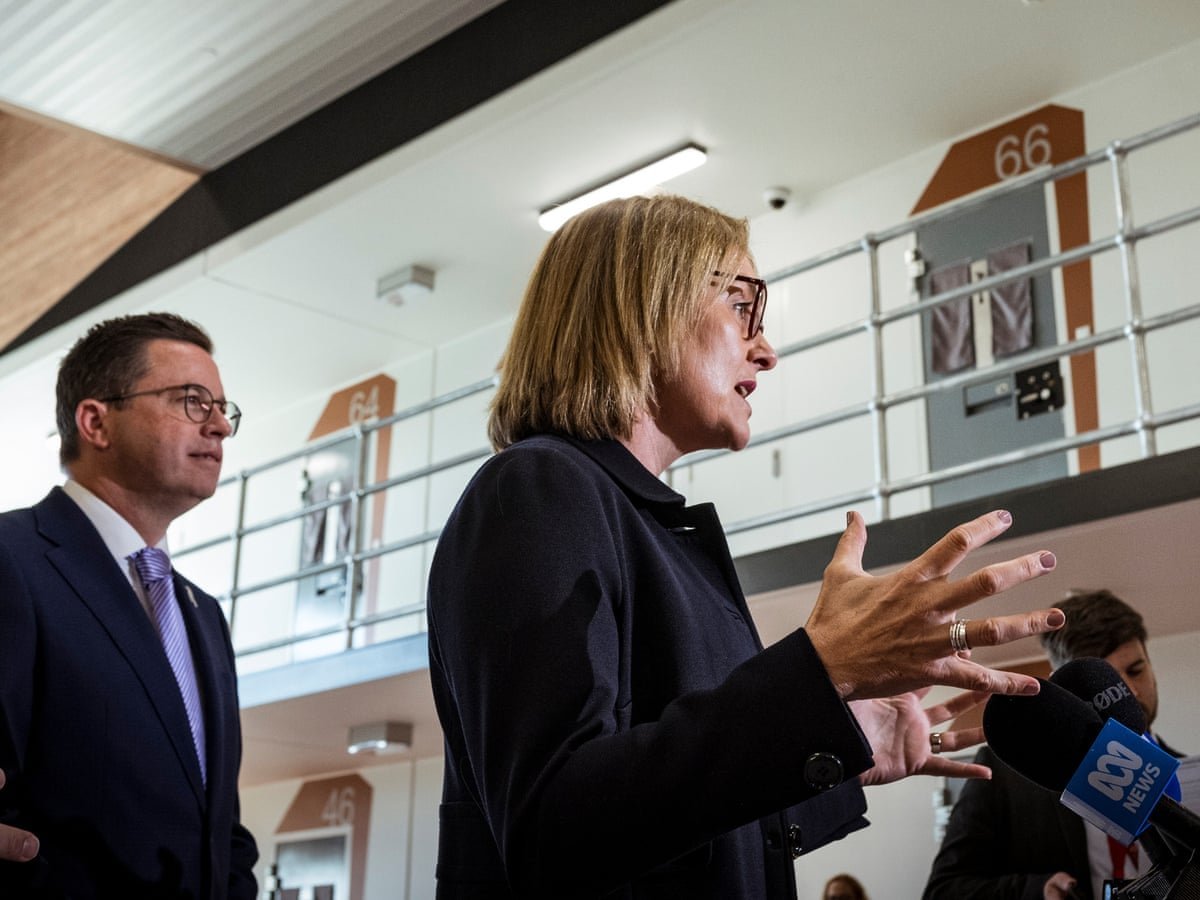
- Premier Jacinta Allan insists the bail laws are working, prioritizing community safety above all else, but experts argue this approach is misguided and neglects the root causes of crime.
Victoria’s prison system is on the brink of collapse, with the number of unsentenced prisoners skyrocketing due to the state’s tough-on-crime bail laws.
Introduced in March 2025, the laws aimed to target repeat, violent offenders, but critics argue they have created a perfect storm of overcrowding, inadequate facilities, and increased risk of violence.
The situation is eerily reminiscent of 2020, when 37-year-old Aboriginal woman Veronica Nelson died in custody, just days after being arrested for low-level theft.
Her death was a devastating consequence of similar tough-on-crime bail laws, which denied her bail and left her languishing in a police cell without access to medical care.
Fast-forward to 2026, and the same warnings are being sounded.



Raagini Vijaykumar, principal managing lawyer at the Victorian Aboriginal Legal Service (VALS), says her organization is “gravely concerned” that the current settings will result in another preventable death in custody.
“The system is not coping, and we’re seeing people being held in police cells for extended periods, which is unacceptable,” she warns.
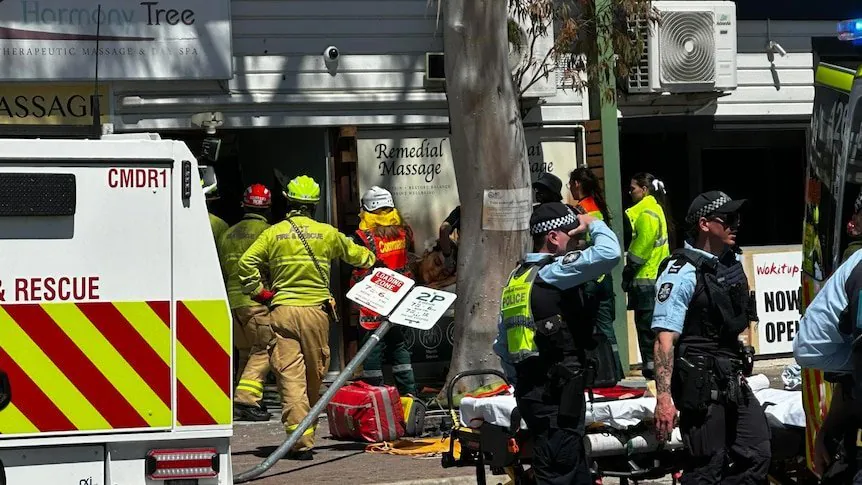
Criminal law specialist Melinda Walker agrees, citing the government’s scramble to find places to put people on remand. “They’re being held in police cells longer than the legal 14-day limit, which is unacceptable.
These cells are not designed for long-term detention, and people are being denied basic human rights, including access to medical care and fresh air.”
Victoria Police Chief Commissioner Mike Bush has described the practice of moving prisoners from police cell to police cell as “undesirable,” and his organization is working to alleviate the issue.
However, critics argue that this is merely a Band-Aid solution, and the root causes of the problem need to be addressed.
Analysis: What This Means for Australia
The situation in Victoria has significant national security implications, as it highlights the flaws in the country’s approach to justice and rehabilitation.
The prioritization of community safety above all else has led to a surge in imprisonment rates, which in turn has created a crisis in the prison system.
This approach neglects the root causes of crime, such as poverty, lack of education, and mental health issues, and instead focuses on punishment and detention.
Security analysts say that this approach is short-sighted and will only lead to further problems down the line.
“By neglecting the root causes of crime, we’re creating a revolving door of offenders, who will continue to cycle in and out of the justice system,” warns one expert.
“This not only puts a strain on the system but also perpetuates a cycle of violence and recidivism.”
Law enforcement insiders warn that the situation in Victoria is a ticking time bomb, waiting to erupt into a major crisis. “The prison system is under serious stress, and we’re seeing a disproportionate number of Indigenous Australians being locked up,” says one insider.
“This is a recipe for disaster, and we need to take urgent action to address the underlying issues.”
Industry observers believe that the government’s approach is misguided and neglects the needs of vulnerable communities. “The focus on punishment and detention is not only ineffective but also inhumane,” says one observer.
“We need to invest in early intervention programs, education, and rehabilitation to address the root causes of crime and create a safer, more just society.”
As the situation in Victoria continues to deteriorate, it’s clear that urgent reform is needed to prevent another preventable death in custody. The government must take a long, hard look at its approach to justice and rehabilitation and prioritize the needs of vulnerable communities.
Anything less would be a dereliction of duty.
Indigenous Australians prison reform Victorian Aboriginal Legal Service Australian Bureau of Statistics