Townsville Tragedy: ‘Suicide by Cop’ Ruling Sparks Calls for Reform as Family Mourns Beloved Father and Veteran
- A coronial inquest into the death of 52-year-old Steven Angus has found that neither hospital staff nor police officers failed in their response to the suicidal veteran before he was fatally shot.
- The Queensland Deputy State Coroner has delivered a scathing report, recommending sweeping reforms to address gaps in mental health care and policing of vulnerable individuals.
- Angus’s family has paid tribute to the “loved, warm and generous” father, who was medically discharged from the army in 2017 and struggled with addiction and suicidal ideation.
- The inquest’s findings have sparked calls for greater support for veterans and more effective profiling of mental health incidents by police.
Steven Angus’s life was marked by service and sacrifice, but it was his tragic death that would ultimately expose the gaping holes in Australia’s mental health care system and policing procedures.
On April 21, 2023, the 52-year-old army veteran was fatally shot by police in the backyard of his Townsville home, less than 24 hours after he was discharged from the public hospital emergency department.
The events leading up to his death were a devastating culmination of a long struggle with addiction, suicidal ideation, and a desperate cry for help.
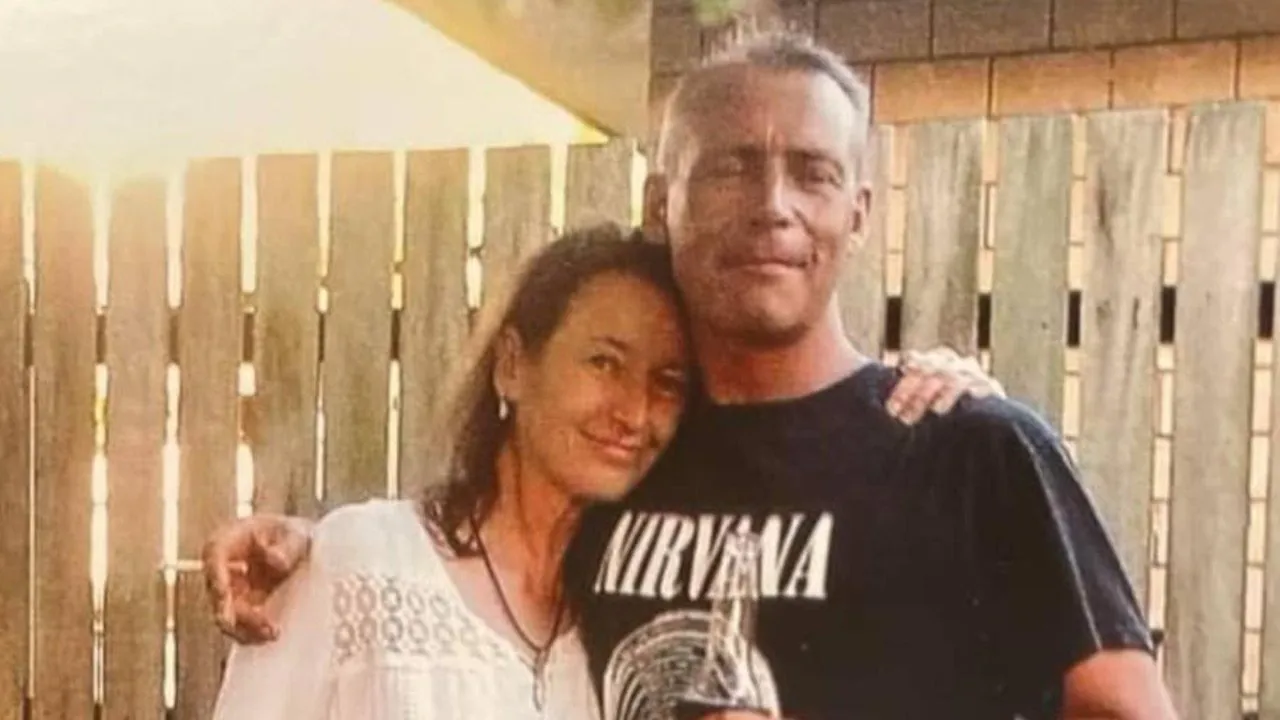
Angus, a former army vehicle mechanic, had been medically discharged in 2017 and had a history of alcohol abuse, private clinic admissions, and relapse.
On the day of his death, he had threatened police with knives, begging them to shoot him, and was later assessed by hospital staff as no longer being an acute suicide risk.

But the coronial inquest into Angus’s death has revealed a shocking series of events that raise serious questions about the treatment of suicidal veterans and the response of police and hospital staff.
The inquest found that Angus’s death was a “subject-precipitated homicide”, also known as “suicide by cop”, and that there were no failings by either police or hospital staff in their response.
However, the inquest did identify areas for improvement in the treatment of people like Angus, particularly suicidal veterans experiencing addiction.
The coroner recommended that Queensland Health form a working group to consider gaps in the system, including the lack of a mechanism for after-hours presentations to the emergency department to be admitted to the Townsville Private Clinic for treatment.
The inquest also recommended that Queensland Police consider more detailed summaries of incidents to profile vulnerable persons more effectively, and that a Mental Health Liaison officer be made available to assist police and paramedics during sieges.
Analysis: What This Means for Australia
The tragic death of Steven Angus is a stark reminder of the devastating consequences of inadequate mental health care and policing procedures. The inquest’s findings have sparked calls for greater support for veterans and more effective profiling of mental health incidents by police.
Security analysts say that the case highlights the need for a more comprehensive approach to addressing the complex needs of veterans, including access to specialized mental health services and support.
Law enforcement insiders warn that the lack of resources and training for police in dealing with mental health incidents can have deadly consequences, and that more needs to be done to support officers in these situations.
Industry observers believe that the inquest’s recommendations are a step in the right direction, but that more needs to be done to address the systemic issues that led to Angus’s death.
As the Angus family mourns the loss of their loved one, the community is left to grapple with the harsh realities of a system that failed to support a vulnerable veteran in his darkest hour.
mental health crisis veterans’ affairs Queensland Health Queensland Police