Wild Dog ‘Pest’ Control Halted in WA’s Wheatbelt to Protect Dingoes, Leaving Farmers Fearing for Livestock as State’s $1 Billion Sheep Flock Hangs in the Balance
- Farmers in Western Australia’s Wheatbelt have been banned from controlling wild dogs on conservation land, sparking fears of a surge in livestock attacks.
- The move, which affects 340,000 hectares of reserve land, has been made to protect dingoes due to their cultural significance to Indigenous groups.
- The state’s agriculture minister has urged farmers to have “open and respectful conversations” with traditional owners, but farmers say their livelihoods are at risk.
- The decision has exposed a deep conflict between the need to protect native wildlife and the rights of farmers to defend their livestock.
The decision to halt wild dog control in Western Australia’s Wheatbelt has sent shockwaves through the farming community, with many fearing for the safety of their livestock.
The move, which affects 340,000 hectares of reserve land, has been made to protect dingoes due to their cultural significance to Indigenous groups. But farmers say the decision will have dire consequences for the state’s $1 billion sheep flock, which is largely located inside the State Barrier fence.
The Central Wheatbelt Biosecurity Association (CWBA) has been conducting dog control work on the reserve land for years, but permits have not been renewed, and the group has been told to stop baiting and trapping dingoes.
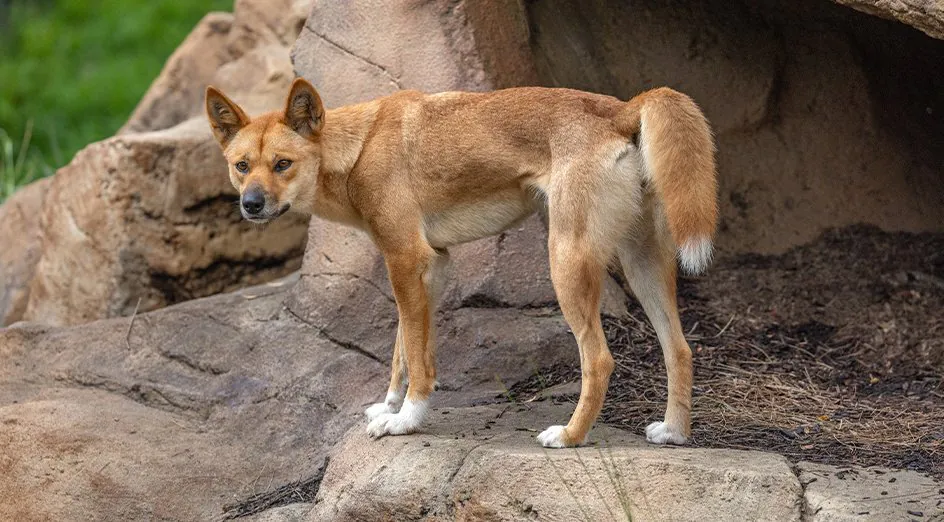
The decision has been made by the Yamatji Nation Joint Management Body, which jointly manages conservation land with the Department of Biodiversity Conservation and Attractions (DBCA).
The DBCA has cited the cultural importance of dingoes to the Yamatji traditional owners as the reason for the decision.


But farmers are not convinced. Chris Patmore, chair of the CWBA, says the decision will have a devastating impact on livestock.
“It’s extremely disappointing and frustrating,” he said.
“It’s 20 per cent of the area that the CWBA looks after, but about 80 per cent of our dog control work is done on that land.” Patmore says his group has had limited success in negotiations with the Yamatji Nation Joint Management Body and is seeking clarity on what can be done to mitigate the risks to livestock.
The conflict between the need to protect native wildlife and the rights of farmers to defend their livestock is not new, but it has been brought into sharp focus by the decision to halt wild dog control in the Wheatbelt.
Western Australia’s Biosecurity Council is investigating the conflict between the two acts and will report to state Agriculture Minister Jackie Jarvis. The minister has urged farmers to have “open and respectful conversations” with traditional owners, but farmers say their livelihoods are at risk.
Analysis: What This Means for Australia
The decision to halt wild dog control in the Wheatbelt has significant implications for Australia’s agricultural industry.
The conflict between the need to protect native wildlife and the rights of farmers to defend their livestock is a complex one, and it will require a nuanced solution.
The government’s decision to upgrade and extend the State Barrier fence has been welcomed by farmers, but it may not be enough to mitigate the risks posed by wild dogs.
Security analysts say the decision to protect dingoes on conservation land could have unintended consequences, including the spread of wild dogs into other areas. “It’s a classic case of unintended consequences,” said one analyst.
“By protecting dingoes on conservation land, you may actually be putting other areas at risk.” Law enforcement insiders warn that the decision could also lead to increased tensions between farmers and Indigenous groups.
Industry observers believe that the decision highlights the need for a more coordinated approach to managing wild dogs. “It’s a complex issue that requires a whole-of-government approach,” said one observer.
“We need to find a way to balance the need to protect native wildlife with the rights of farmers to defend their livestock.”
As the debate continues, one thing is clear: the decision to halt wild dog control in the Wheatbelt has exposed a deep divide between the need to protect native wildlife and the rights of farmers to defend their livestock.
It remains to be seen how the government will balance these competing interests.
wild dog control conservation land Indigenous rights Department of Biodiversity Conservation and Attractions Australian Bureau of Statistics