‘A Fight for Answers’: Widow Demands Truth After Husband’s Tragic Death on Offshore Gas Plant
- A Perth widow has spoken out about the tragic death of her husband on an offshore gas plant, claiming she was left in the dark for 14 hours before being informed of his passing.
- Danielle Hadida says she has been “fighting” for answers about her husband Laurence Harbeck’s death, but has been met with silence from his employer INPEX and the offshore site regulator.
- Ms Hadida is now calling for a coronial inquest into her husband’s death, citing a lack of transparency and support from the companies involved.
- Laurence Harbeck’s death has raised concerns about the welfare of workers on offshore gas plants and the need for greater accountability from companies operating in the industry.
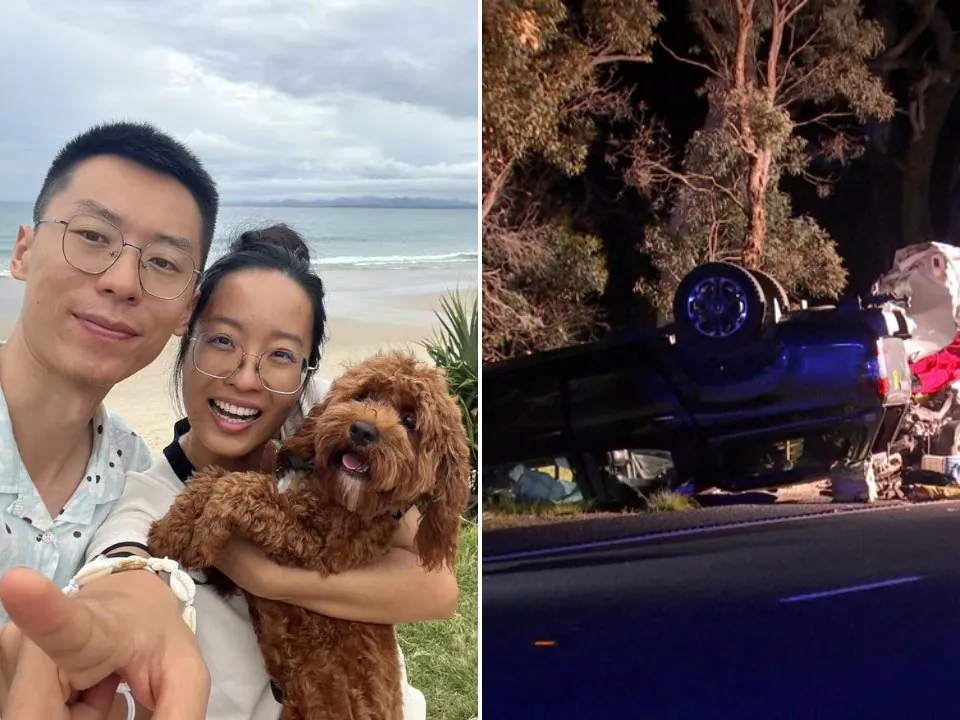
Danielle Hadida’s world was turned upside down in November 2024 when her husband Laurence Harbeck, a 34-year-old process control engineer, took his own life while working on the Ichthys LNG facility off the Kimberley coast.
But what followed was a desperate search for answers, as Ms Hadida claims she was left in the dark for 14 hours before being informed of her husband’s passing.
According to Ms Hadida, she was not told of her husband’s death until 9:30pm, despite being listed as his emergency contact. She remembers the moment two police officers arrived at her doorstep, their somber faces a stark contrast to her initial expectation of a routine inquiry.
“I remember waving and smiling at them because I thought they just needed some CCTV or something,” she recalled. “I opened the door and they just said, ‘I’m sorry to tell you, Laurence has died’.
And I didn’t believe them.”



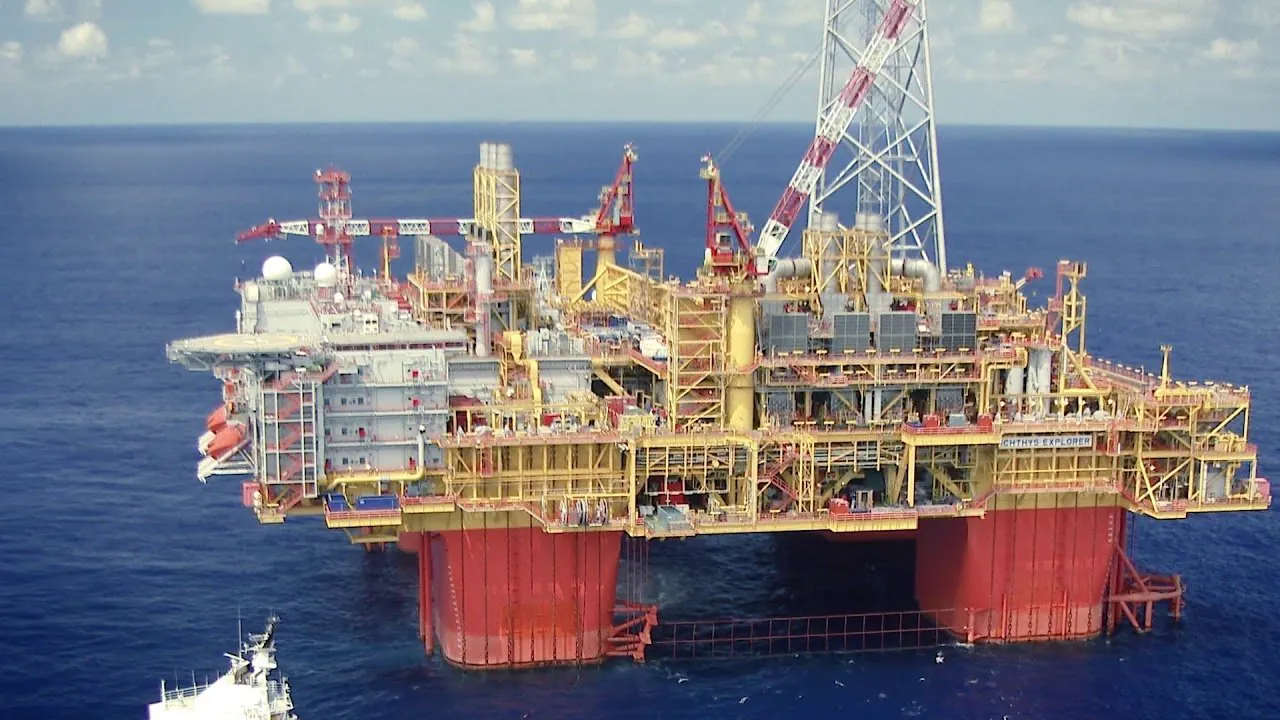
The Ichthys LNG project, operated by INPEX, is a major offshore gas facility located 220km off Western Australia’s Kimberley coast.
Laurence Harbeck had been working on the project as a FIFO worker, and his wife says he had been complaining of work-related stress and lack of sleep in the lead-up to his death.
Despite this, Ms Hadida claims there were no signs of mental illness or distress that would have suggested her husband was struggling.
Ms Hadida’s attempts to get answers from INPEX and the offshore site regulator, the National Offshore Petroleum Safety and Environmental Management Authority (NOPSEMA), have been met with resistance.
She claims she was not given access to the investigation report into her husband’s death, and was told she would have to make a Freedom of Information application to obtain it.
NOPSEMA confirmed it had completed a “thorough” investigation into Mr Harbeck’s death, but said only “specified parties” were authorised to receive the report. INPEX said it was “deeply saddened” by Mr Harbeck’s death, but did not answer questions about the delay in reporting his death to his family.
The lack of transparency and support from the companies involved has left Ms Hadida feeling “completely disregarded” and “disrespected”.
She is now calling for a coronial inquest into her husband’s death, citing a need for greater accountability and a thorough examination of the circumstances surrounding his passing.
Analysis: What This Means for Australia
Laurence Harbeck’s death raises serious concerns about the welfare of workers on offshore gas plants and the need for greater accountability from companies operating in the industry.
The lack of transparency and support from INPEX and NOPSEMA has only added to the tragedy, leaving Ms Hadida and her family in the dark about the circumstances surrounding her husband’s death.
Security analysts say that the incident highlights the need for improved mental health support and stress management for workers in high-pressure industries.
“The fact that Laurence Harbeck was complaining of work-related stress and lack of sleep in the lead-up to his death is a clear indication that something was amiss,” said one analyst.
“Companies need to take a more proactive approach to supporting their workers’ mental health, rather than just paying lip service to it.”
Law enforcement insiders warn that the lack of transparency and accountability in the industry can have serious consequences for workers and their families.
“If companies are not willing to be open and honest about incidents like this, it can create a culture of fear and silence among workers,” said one insider.
“This can have devastating consequences, as we’ve seen in this case.”
Industry observers believe that the incident will have significant implications for the offshore gas industry, with calls for greater regulation and oversight likely to follow. “This incident is a wake-up call for the industry,” said one observer.
“Companies need to take a hard look at their safety protocols and procedures to ensure that something like this never happens again.”