
BREAKING: ‘Terror Plot to Kill Trump’ Uncovered: Eight Men Face Life in Prison for Alleged Drone and Shooting Attack on White House UFC Event
- Eight men accused of planning to kill Donald Trump at UFC Freedom 250 event on White House lawn in June
- Alleged terror plot involved flying explosive-laden drones and shooting attendees trying to flee
- Group harboured fringe conspiracy theories and hoped to destabilise the US government
- Each participant faces up to 15 years in prison for conspiring to provide material support to terrorists and life in prison for conspiring to commit murder
The shocking revelation of a foiled terror plot to kill Donald Trump at a high-profile UFC event on the White House lawn has sent shockwaves across the United States.
Eight men, aged between 19 and 32, have been accused of planning a drone and shooting attack that aimed to kill the former US President, Vice-President JD Vance, Israeli Prime Minister Benjamin Netanyahu, and billionaire Elon Musk, among other high-value targets.
The alleged plot, which was intercepted by the FBI, involved flying explosive-laden drones over the UFC Freedom 250 event and shooting attendees trying to flee the attack.
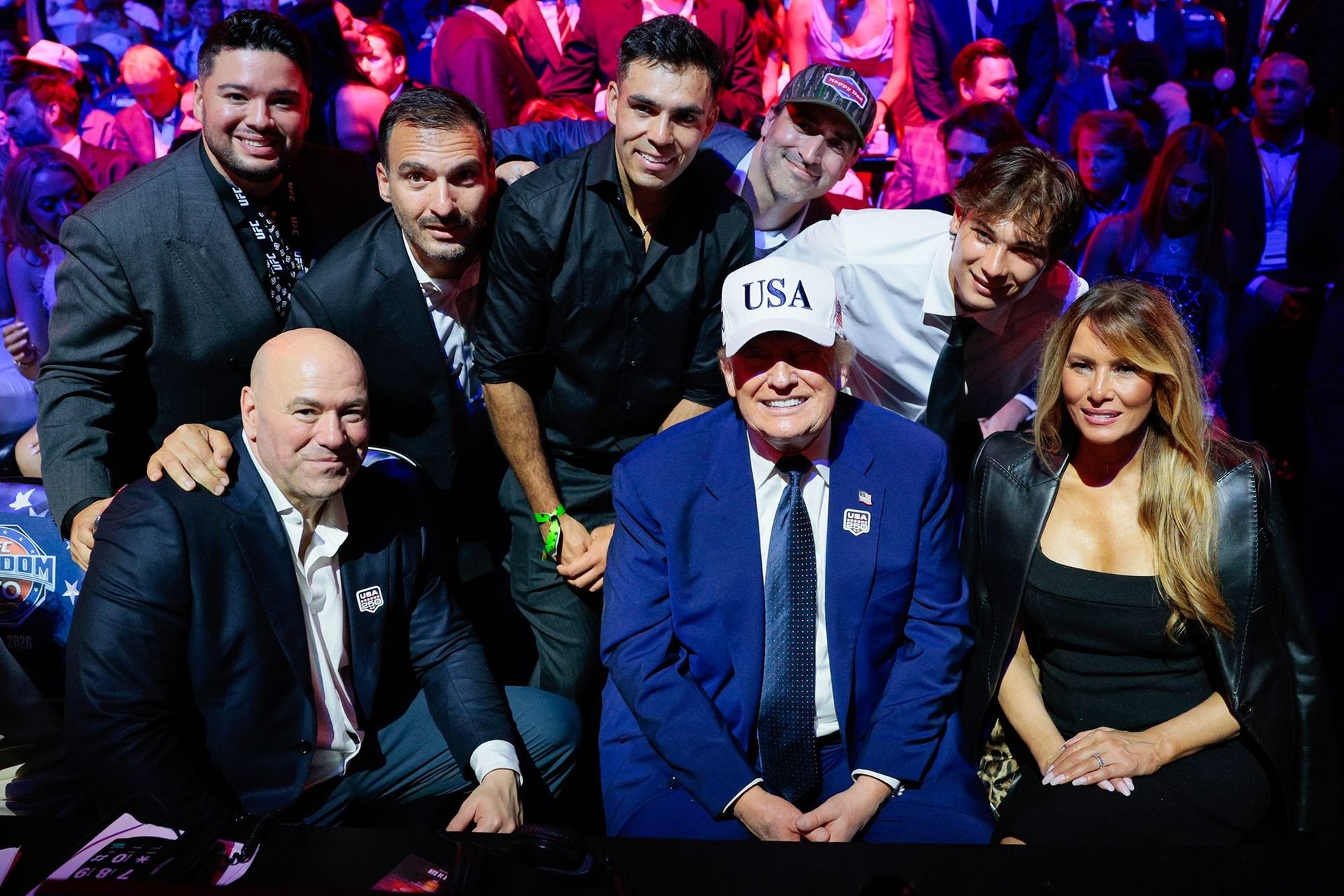
The group, which was allegedly motivated by fringe conspiracy theories, had been planning the attack since May and had amassed a significant amount of money, firearms, ammunition, body armour, explosives, and other equipment.
According to court documents, the group used online and social media platforms, including Signal, SimpleX, Discord, TikTok, and Instagram, to communicate and coordinate their plan.
They allegedly created a “tier” system to classify participants according to their role in the plot, with “Tier one” participants tasked with “committing to put themselves in harm’s way, break the law, and potentially go into hiding”.
The group also agreed to travel from their homes in various states to the White House and had planned an escape route after the attack. Two of the defendants, Bryan Roa and Michael Thomas, allegedly underwent marksmanship and combat training in California in May.
The alleged plot was uncovered after police learned of a potential threat to Trump and the UFC event on June 10, four days before the cage-fighting show was scheduled to take place.
An earlier court document filed on June 15 showed that police were first called to a home in Knox County, Ohio, by one of the defendant’s mothers, who was concerned about her son’s online activities and recent purchases of weapons.
The defendants, who have been charged with conspiring to provide material support to terrorists and conspiring to commit murder, face up to 15 years in prison and life in prison, respectively.
The case has sparked widespread concern about the threat of domestic terrorism and the potential for violent extremism in the United States.
Analysis: What This Means for Australia
The foiled terror plot to kill Trump at the White House UFC event has significant implications for Australia’s national security.
The alleged plot highlights the growing threat of domestic terrorism and the potential for violent extremism to be inspired by fringe conspiracy theories. Security analysts say that the plot demonstrates the need for increased vigilance and cooperation between law enforcement agencies to prevent similar attacks.
“This plot shows that the threat of domestic terrorism is real and that we need to be proactive in identifying and disrupting these types of threats,” said one security expert.
The plot also raises concerns about the potential for social media platforms to be used to spread extremist ideologies and coordinate violent attacks. “Social media companies need to take responsibility for ensuring that their platforms are not being used to facilitate terrorism,” said an industry observer.
In Australia, law enforcement agencies are working to disrupt and prevent similar plots, with a focus on identifying and monitoring individuals who may be at risk of radicalisation.
The Australian government has also introduced a range of measures to combat terrorism, including laws to prevent the spread of extremist ideologies online.
As the investigation into the alleged plot continues, it is clear that the threat of domestic terrorism is a pressing concern for both the United States and Australia.
It is essential that law enforcement agencies and governments work together to prevent similar attacks and protect the public from the threat of violent extremism.
The shocking revelation of a foiled terror plot to kill Donald Trump at a high-profile UFC event on the White House lawn has sent shockwaves across the United States. Eight men, aged between 19 and 32, have been accused of planning a drone and shooting attack that aimed to kill the former US President, Vice-President JD Vance, Israeli Prime Minister Benjamin Netanyahu, and billionaire Elon Musk, among other high-value targets.
The alleged plot, which was intercepted by the FBI, involved flying explosive-laden drones over the UFC Freedom 250 event and shooting attendees trying to flee the attack. The group, which was allegedly motivated by fringe conspiracy theories, had been planning the attack since May and had amassed a significant amount of money, firearms, ammunition, body armour, explosives, and other equipment.
According to court documents, the group used online and social media platforms, including Signal, SimpleX, Discord, TikTok, and Instagram, to communicate and coordinate their plan. They allegedly created a “tier” system to classify participants according to their role in the plot, with “Tier one” participants tasked with “committing to put themselves in harm’s way, break the law, and potentially go into hiding”.
The group also agreed to travel from their homes in various states to the White House and had planned an escape route after the attack. Two of the defendants, Bryan Roa and Michael Thomas, allegedly underwent marksmanship and combat training in California in May.
The alleged plot was uncovered after police learned of a potential threat to Trump and the UFC event on June 10, four days before the cage-fighting show was scheduled to take place. An earlier court document filed on June 15 showed that police were first called to a home in Knox County, Ohio, by one of the defendant’s mothers, who was concerned about her son’s online activities and recent purchases of weapons.
The defendants, who have been charged with conspiring to provide material support to terrorists and conspiring to commit murder, face up to 15 years in prison and life in prison, respectively. The case has sparked widespread concern about the threat of domestic terrorism and the potential for violent extremism in the United States.
Analysis: What This Means for Australia
The foiled terror plot to kill Trump at the White House UFC event has significant implications for Australia’s national security. The alleged plot highlights the growing threat of domestic terrorism and the potential for violent extremism to be inspired by fringe conspiracy theories.
Security analysts say that the plot demonstrates the need for increased vigilance and cooperation between law enforcement agencies to prevent similar attacks. “This plot shows that the threat of domestic terrorism is real and that we need to be proactive in identifying and disrupting these types of threats,” said one security expert.
The plot also raises concerns about the potential for social media platforms to be used to spread extremist ideologies and coordinate violent attacks. “Social media companies need to take responsibility for ensuring that their platforms are not being used to facilitate terrorism,” said an industry observer.
In Australia, law enforcement agencies are working to disrupt and prevent similar plots, with a focus on identifying and monitoring individuals who may be at risk of radicalisation. The Australian government has also introduced a range of measures to combat terrorism, including laws to prevent the spread of extremist ideologies online.
As the investigation into the alleged plot continues, it is clear that the threat of domestic terrorism is a pressing concern for both the United States and Australia. It is essential that law enforcement agencies and governments work together to prevent similar attacks and protect the public from the threat of violent extremism.