Venezuela’s Earthquake Catastrophe: 6,125 Dead, 10,000 Missing and a $28 Billion Rebuilding Bill
- Death toll from twin earthquakes in June rises to 6,125, with nearly 61,000 treated in hospitals
- Government faces criticism over slow response, as thousands remain missing and homeless
- New housing bill aims to help displaced quake victims, but experts warn of long-term challenges
- $28 billion rebuilding bill looms, with World Bank estimating direct physical damage at $19.6 billion
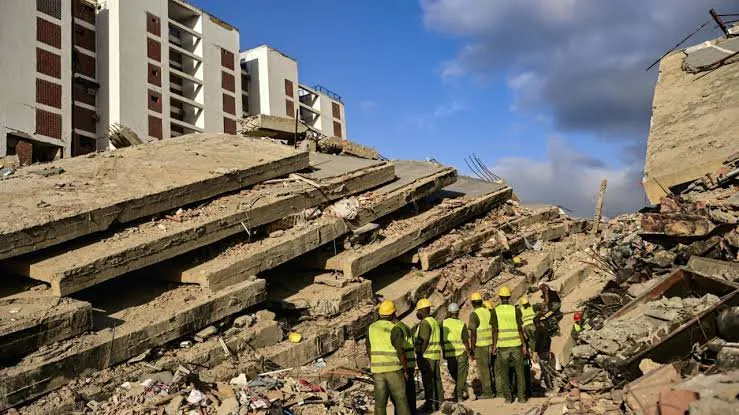
The devastating twin earthquakes that struck Venezuela in June have left a trail of destruction and despair, with the death toll now standing at 6,125.
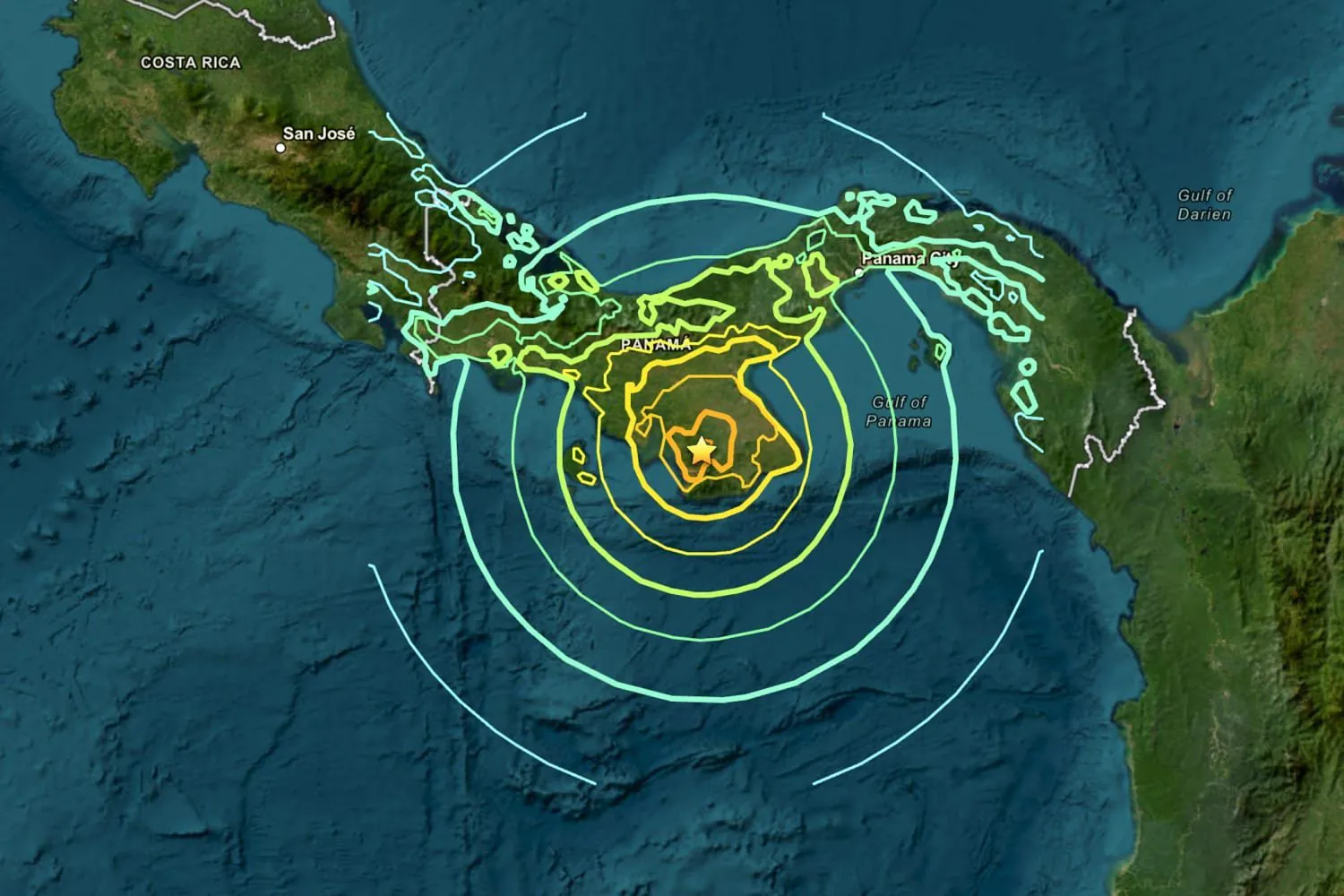
The 7.2 and 7.5 magnitude quakes, which hit within 39 seconds of each other, caused widespread devastation, particularly in the coastal state of La Guaira, where nearly 200 buildings collapsed.
The disaster has sparked a massive relief effort, with thousands of volunteers and humanitarian workers joining forces to search for victims and provide aid to those affected.
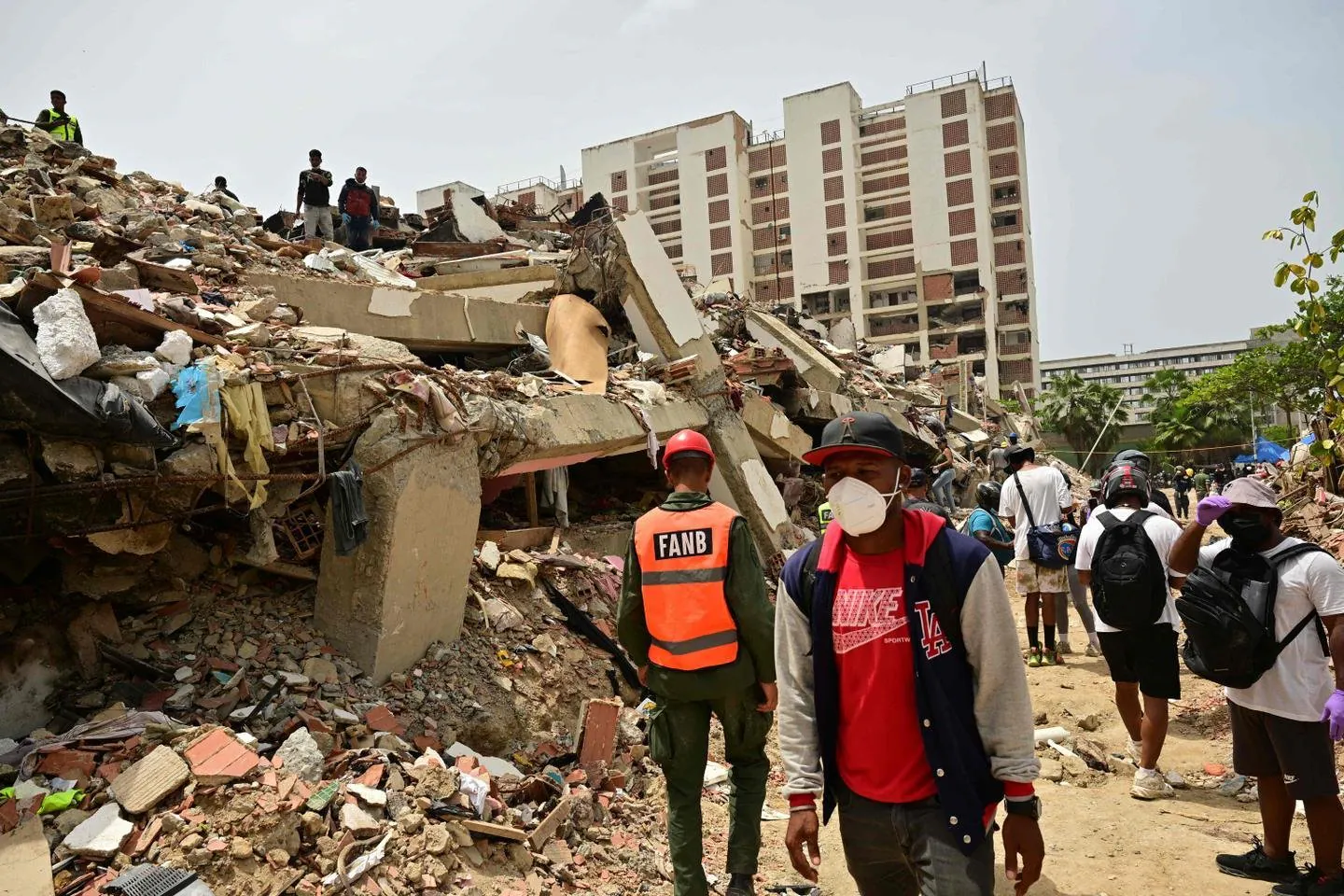
According to National Assembly Chief Jorge Rodríguez, nearly 61,000 people were treated in hospitals, while 16.5 per cent of the debris generated by the quakes has been removed.
However, the government’s response has been criticized, with many accusing military personnel and officials of arriving late and doing little to help those trapped in the rubble.


Acting President Delcy Rodríguez has defended the government’s response, but the situation on the ground remains dire.
The World Bank has estimated the quakes caused $19.6 billion in direct physical damage, but the cost of rebuilding could be twice that much or more.
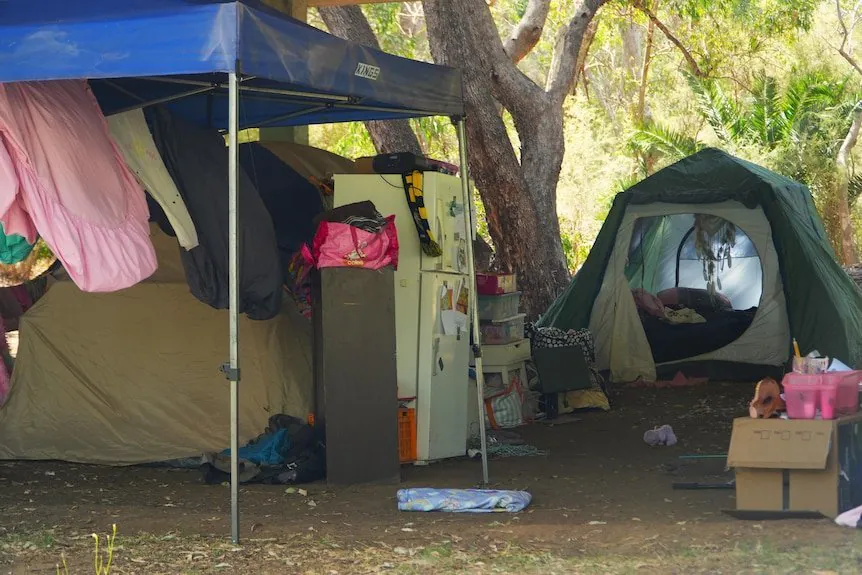
The disaster has left thousands of people homeless, with almost 24,000 living in makeshift shelters in La Guaira and Caracas. The government has classified over 16,200 structures as unsafe, prompting many to leave their homes.
Local media reports suggest that around 1,400 people remain missing, although expert projections put the figure at up to 10,000.
The Venezuelan government has approved a new housing bill aimed at helping displaced quake victims. The measure repeals anti-rental legislation passed by former leftist Chavista administrations and makes it easier to rent properties.
Interim leader Delcy Rodríguez estimates that around 400,000 homes could benefit from the law, describing it as a “win-win” situation for tenants and property owners.
However, experts warn that the road to recovery will be long and challenging, with many questioning the government’s ability to provide adequate support to those affected.
Analysis: What This Means for Australia
The disaster in Venezuela serves as a stark reminder of the importance of disaster preparedness and response. As Australia faces its own natural disaster risks, including earthquakes, bushfires, and cyclones, the government must prioritize investment in emergency services and infrastructure.
The Venezuelan government’s slow response to the disaster highlights the need for clear communication and coordination between authorities, emergency services, and affected communities.
Security analysts say that the disaster also underscores the importance of international cooperation in responding to natural disasters.
The Venezuelan government’s reliance on foreign aid and expertise highlights the need for Australia to maintain strong relationships with its regional partners and to be prepared to provide support in times of need.
Law enforcement insiders warn that the disaster also raises concerns about the potential for looting and other criminal activity in the aftermath of a disaster.
As Australia prepares for its own natural disasters, it is essential that law enforcement agencies are equipped to respond quickly and effectively to maintain public safety.
Industry observers believe that the disaster will also have significant economic implications for Venezuela, with the $28 billion rebuilding bill likely to put a strain on the country’s already fragile economy.
As Australia navigates its own economic challenges, it is essential that the government prioritizes investment in disaster resilience and preparedness to minimize the economic impact of future disasters.
As the people of Venezuela continue to struggle to come to terms with the devastating impact of the earthquakes, it is clear that the road to recovery will be long and challenging.
However, with the right support and investment, it is possible to build back stronger and more resilient communities.
As Australia looks on, it is essential that we learn from the lessons of Venezuela and prioritize disaster preparedness and response to ensure that we are ready for whatever the future may hold.