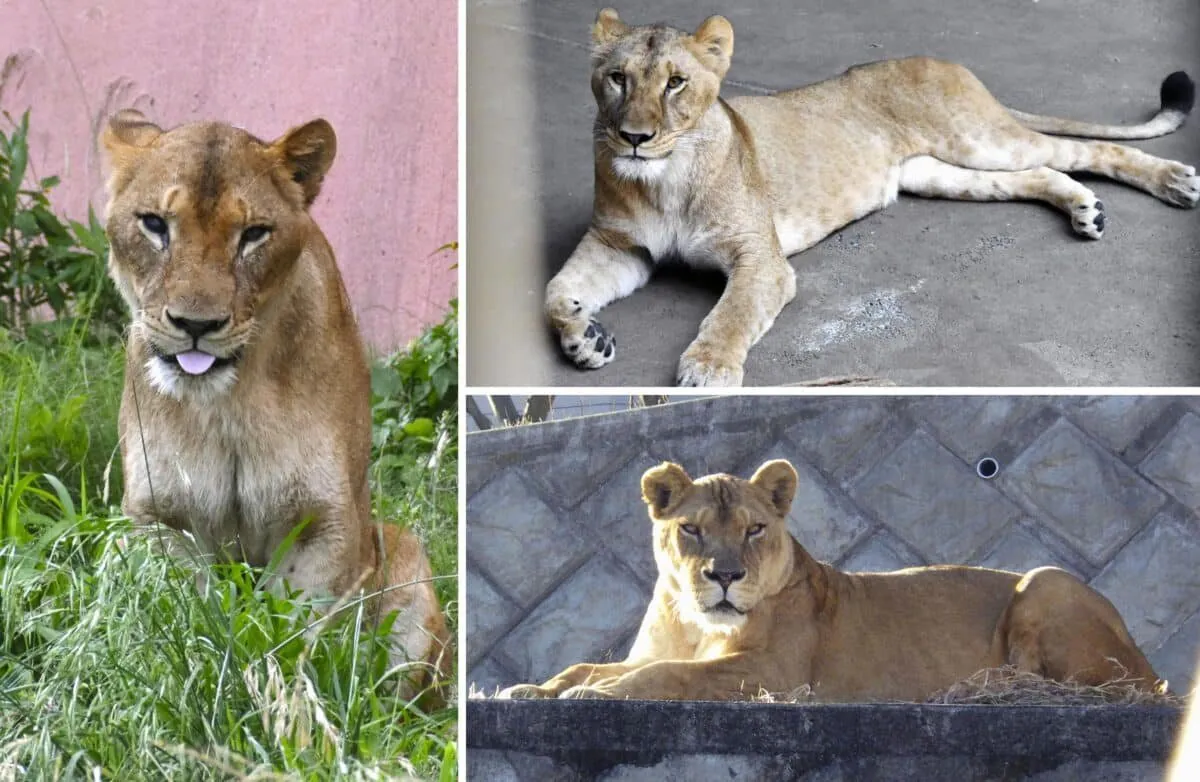
Tragedy at Tokyo Zoo: Three Female Lions Die of Suspected Heatstroke in Scorching Summer
- Three female lions have died of suspected heatstroke at Tokyo’s Tama Zoological Park, the first heat-related deaths among the facility’s lion population in its 62-year history.
- The lions, aged three, 11, and 15, showed signs of severe dehydration and multiple organ failure in autopsies, with the exact cause of death still under investigation.
- The sudden spike in temperatures in mid-July left the majority of the zoo’s 16 lions struggling to cope, with many losing their appetite and becoming lethargic.
- Zoo officials have suspended public viewing of the lions and are taking extra precautions to care for the remaining animals, with temperatures in the area soaring to nearly 39C.
The scorching summer heat has claimed the lives of three female lions at Tokyo’s Tama Zoological Park, leaving zoo officials and animal lovers reeling in shock.
The sudden spike in temperatures in mid-July proved too much for the lions, with the majority of the zoo’s 16-strong pride struggling to cope with the heat and humidity.
According to zoo officials, the three deceased lions, aged three, 11, and 15, showed signs of severe dehydration and multiple organ failure in autopsies, although the exact cause of death is still under investigation.
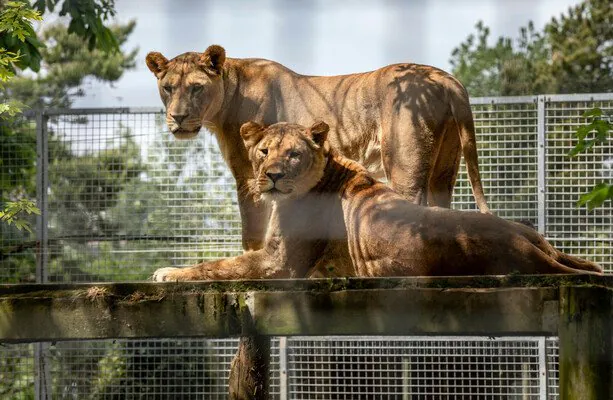
The lions, all born in the zoo, began to deteriorate rapidly as the temperatures soared, with many losing their appetite and becoming lethargic.
While some lions recovered, others continued to deteriorate, developing severe symptoms including the inability to stand and loss of consciousness. Zoo officials sprang into action, suspending public viewing of the lions on July 23 as their condition worsened.



Treatment, including water-spraying and medicating through intravenous drips, was administered, but ultimately proved unsuccessful in saving the three lions.
The heatwave that struck Tokyo in mid-July was particularly severe, with temperatures rising to nearly 39C and triggering heatstroke warnings.
Lions, native to sub-Saharan Africa, are accustomed to arid heat rather than Tokyo’s combination of heat and high humidity, which makes it difficult for them to thermoregulate.
The zoo’s staff are now taking extra precautions to care for the remaining animals, managing them more carefully than before.
Analysis: What This Means for Australia
While the tragic loss of the three lions at Tokyo’s Tama Zoological Park may seem like a distant event, it highlights the very real risks associated with climate change and extreme weather events.
As Australia continues to grapple with its own climate challenges, the incident serves as a stark reminder of the need for effective animal welfare strategies and emergency preparedness plans in place.
Security analysts say that the incident also raises concerns about the vulnerability of zoos and wildlife parks to extreme weather events, highlighting the need for enhanced safety protocols and emergency response plans.
Law enforcement insiders warn that the incident may also have implications for animal welfare laws and regulations, with a renewed focus on ensuring that zoos and wildlife parks are equipped to handle extreme weather events.
Industry observers believe that the incident will likely lead to a renewed focus on animal welfare and climate change mitigation strategies in zoos and wildlife parks around the world.
As the world continues to grapple with the challenges of climate change, the tragic loss of the three lions at Tokyo’s Tama Zoological Park serves as a poignant reminder of the need for effective action to protect animal welfare and prevent such tragedies from occurring in the future.