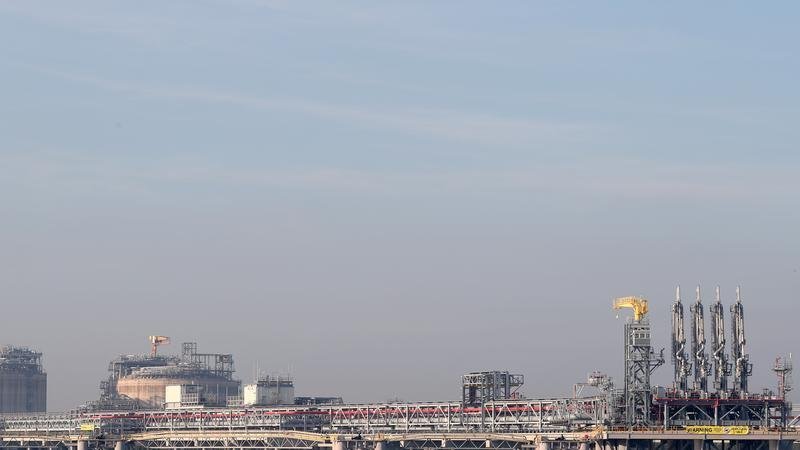
NT Regulator Charges Inpex with Toxic Emissions Scandal: ‘A Massive Win for Darwin Residents’
- Inpex faces six charges for allegedly under-reporting toxic emissions from its Ichthys facility near Darwin between 2019 and 2024
- The Northern Territory’s environmental regulator says the Japanese gas giant breached its environmental licences, sparking a prosecution that could lead to fines of over $60,000 each
- Experts warn that the under-reported emissions, including benzene and toluene, pose serious health risks to the community, including increased cancer risk and respiratory problems
- The case has sparked calls for tougher regulations on the gas industry, with campaigners urging the NT EPA to use its full powers to prevent similar scandals in the future
The Northern Territory’s environmental regulator has launched a prosecution against Japanese gas giant Inpex for allegedly under-reporting toxic emissions from its Ichthys facility near Darwin.
The regulator, the NT Environment Protection Authority (EPA), says Inpex breached its environmental licences by failing to accurately report emissions of benzene and toluene between 2019 and 2024.
The scandal came to light in October last year, when Inpex admitted to the EPA that it had significantly under-reported its emissions. The EPA launched an investigation, which has now led to six separate charges being laid against the company.
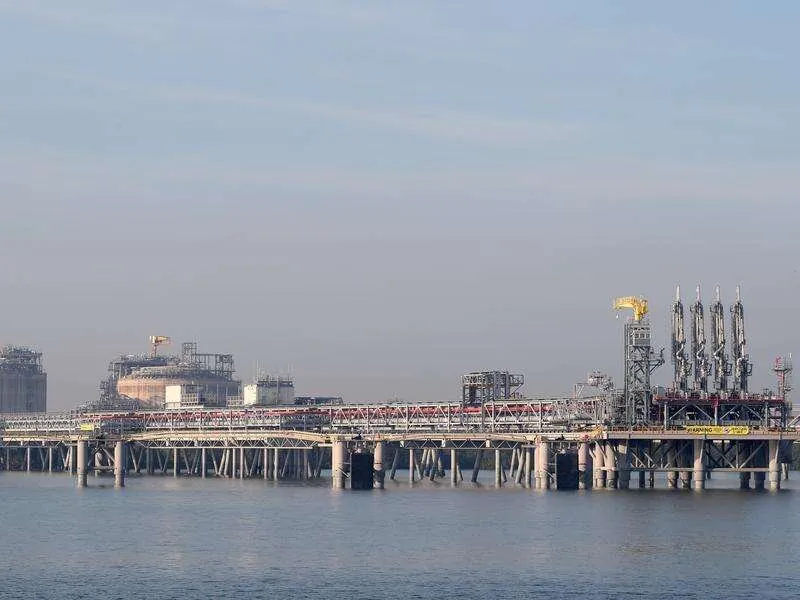
The case is set to be heard in Darwin Local Court, although a date is yet to be finalised.
The EPA says that Inpex’s alleged breaches of its environmental licence are a serious concern, given the potential health risks posed by the under-reported emissions.



Benzene is a known carcinogen, while toluene can cause eye, skin, and respiratory problems.
The regulator’s decision to prosecute Inpex has been welcomed by environmental campaigners, who say it is a “massive win” for Darwin residents who have been exposed to toxic pollution from the gas industry for too long.
The NT EPA’s investigation into Inpex’s emissions is just the latest in a series of scandals to rock the gas industry in the Northern Territory.
In 2024, ABC reporting revealed that the Ichthys facility had emitted thousands of tonnes more pollution than permitted, with no assessment or regulatory intervention from the NT government.
The EPA has since recommended changes to the licences of Darwin’s two major gas processing companies, Santos and Inpex.
Analysis: What This Means for Australia
The Inpex scandal has serious implications for Australia’s environmental regulations and the gas industry as a whole. The case highlights the need for tougher regulations and stricter enforcement to prevent similar scandals in the future.
As the NT EPA’s prosecution of Inpex demonstrates, regulators must be willing to take action against companies that breach their environmental licences.
Security analysts say that the Inpex scandal also raises concerns about the potential health risks posed by the gas industry. The under-reported emissions from the Ichthys facility are just the latest example of the environmental and health risks associated with the industry.
As the NT EPA’s investigation into Inpex’s emissions demonstrates, regulators must be vigilant in monitoring the industry and taking action against companies that breach their environmental licences.
Law enforcement insiders warn that the Inpex scandal may also have implications for the company’s reputation and its ability to operate in Australia.
The prosecution of Inpex could lead to significant fines and damage to the company’s reputation, which could have long-term consequences for its operations in the country.
Industry observers believe that the Inpex scandal will also have implications for the gas industry as a whole.
The case highlights the need for companies to be transparent and accurate in their reporting of emissions, and for regulators to be vigilant in monitoring the industry.
As the NT EPA’s prosecution of Inpex demonstrates, regulators must be willing to take action against companies that breach their environmental licences.
Australian Bureau of Statistics
Recycling and Waste Management