
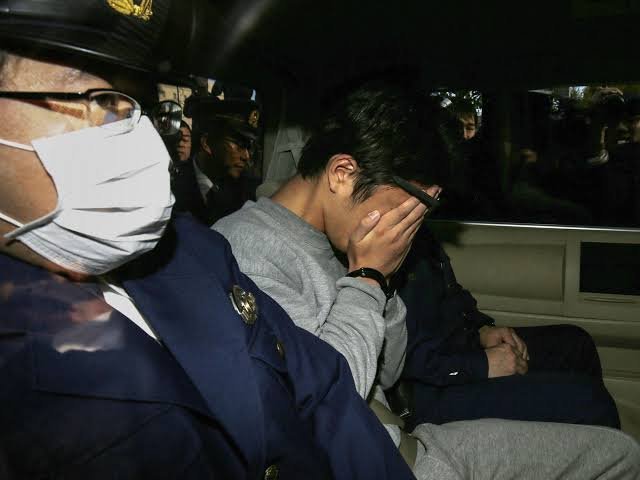
‘Society’s Worst Nightmare’: Japanese Man Hanged for Pachinko Parlour Massacre That Left Five Dead and a Nation in Shock
- A man who callously set fire to a crowded pachinko parlour in Osaka, killing five people and injuring 10, has been hanged in Japan’s first execution under the new government.
- Sunao Takami’s brutal crime in 2009 sparked widespread outrage and fear, with many calling for tougher penalties for violent offenders.
- Japan’s use of the death penalty has faced growing criticism, with 100 people currently on death row, including 43 seeking retrials.
- The execution has reignited debate over capital punishment in Japan, with many arguing it is a barbaric practice that has no place in modern society.
The hanging of Sunao Takami, 58, marks a grim milestone in Japan’s use of capital punishment, a practice that has sparked intense debate and criticism from human rights groups.
The execution, carried out on Friday, was the first under the new government of Prime Minister Sanae Takaichi, and has raised questions about the country’s commitment to transparency and human rights.
Takami’s crime was a shocking and senseless act of violence that left a community in mourning.
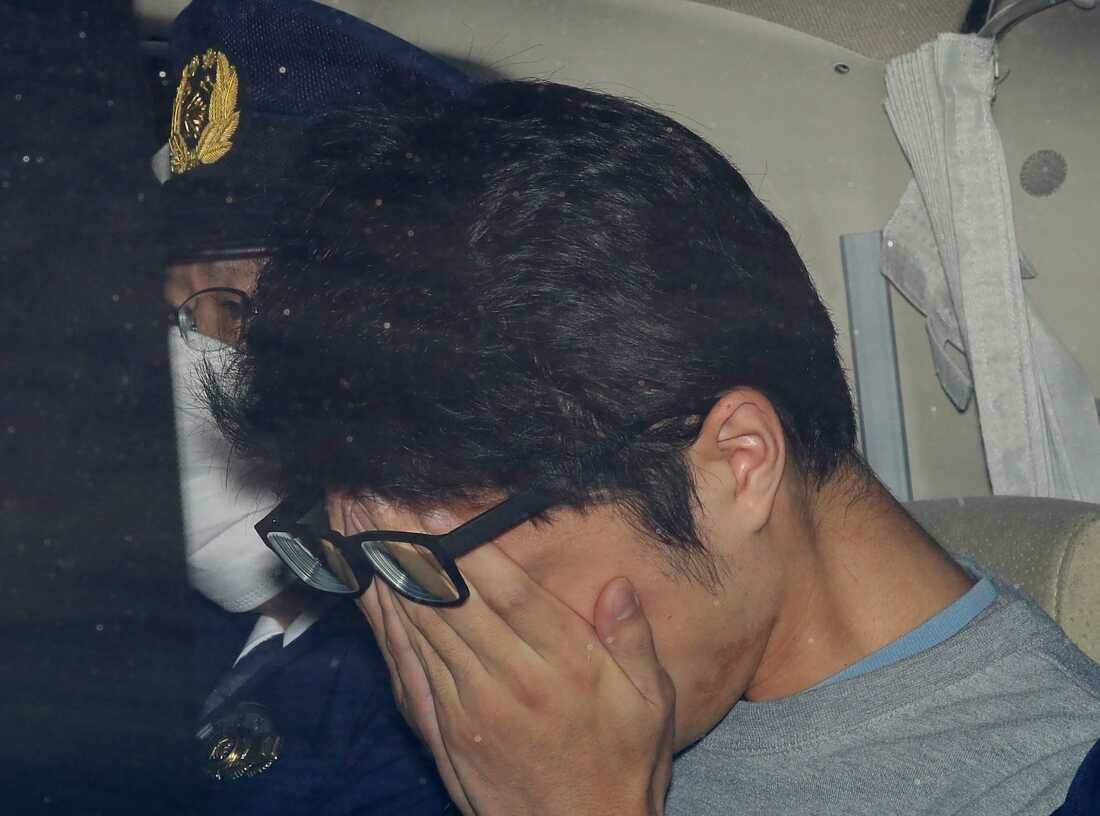
On the day of the attack, he spread gasoline throughout the crowded pachinko parlour in Osaka and threw a lit match, engulfing the building in flames.
Five people lost their lives in the inferno, while 10 others were left with serious injuries. The attack was a devastating blow to the community, and one that would have far-reaching consequences for the victims’ families and loved ones.
The case has sparked a national conversation about the use of capital punishment in Japan, with many arguing that it is a necessary tool for maintaining public safety.
However, others have raised concerns about the country’s secretive approach to executions, which are carried out without warning and with little transparency. The Justice Ministry has defended the practice, citing the need to maintain order and stability in society.
Despite growing criticism, Japan remains one of the few developed countries to still use the death penalty. The country has 100 people on death row, including 43 seeking retrials, and has faced intense pressure from human rights groups to abolish the practice.
The US is the only other G7 country to still use capital punishment, and the two nations have faced criticism from the international community for their stance.
Analysis: What This Means for Australia
The execution of Sunao Takami has significant implications for Australia, particularly in the context of our own approach to capital punishment. While Australia abolished the death penalty in 1975, the country still grapples with the issue of how to deal with violent offenders.
The use of capital punishment in Japan raises questions about the effectiveness of this approach in deterring crime, and whether it is a practice that Australia should reconsider.
Security analysts say that the use of capital punishment in Japan is a reflection of the country’s unique cultural and historical context. “Japan has a very different approach to justice and punishment, one that is shaped by its history and cultural values,” said one expert.
“While it may seem barbaric to some, the death penalty is seen as a necessary tool for maintaining order and stability in society.”
However, others argue that the use of capital punishment is a human rights issue, and one that Australia should be vocal about. “The death penalty is a cruel and inhumane practice that has no place in modern society,” said a human rights activist.
“Australia should be speaking out against its use in Japan and other countries, and advocating for a more humane approach to justice.”
As the debate over capital punishment continues, one thing is clear: the execution of Sunao Takami is a sobering reminder of the complexities and challenges of dealing with violent crime.
As Australia navigates its own approach to justice and punishment, it is essential that we consider the lessons of Japan’s experience, and work towards a more humane and effective approach to keeping our communities safe.