
‘Physically Sick’: Royal Darwin Hospital Staff Forced to Breathe the Stench of Decomposing Bodies as Overflowing Morgue and Toxic Mould Expose Crisis in Territory Health System
- Pathology workers at the Northern Territory’s biggest hospital say the odour of rotting corpses drifts into their workspace through a shared air-conditioning system, leaving some unable to face their shifts.
- The union representing staff claims the morgue regularly runs out of room, and a new facility promised in 2023 has never been built.
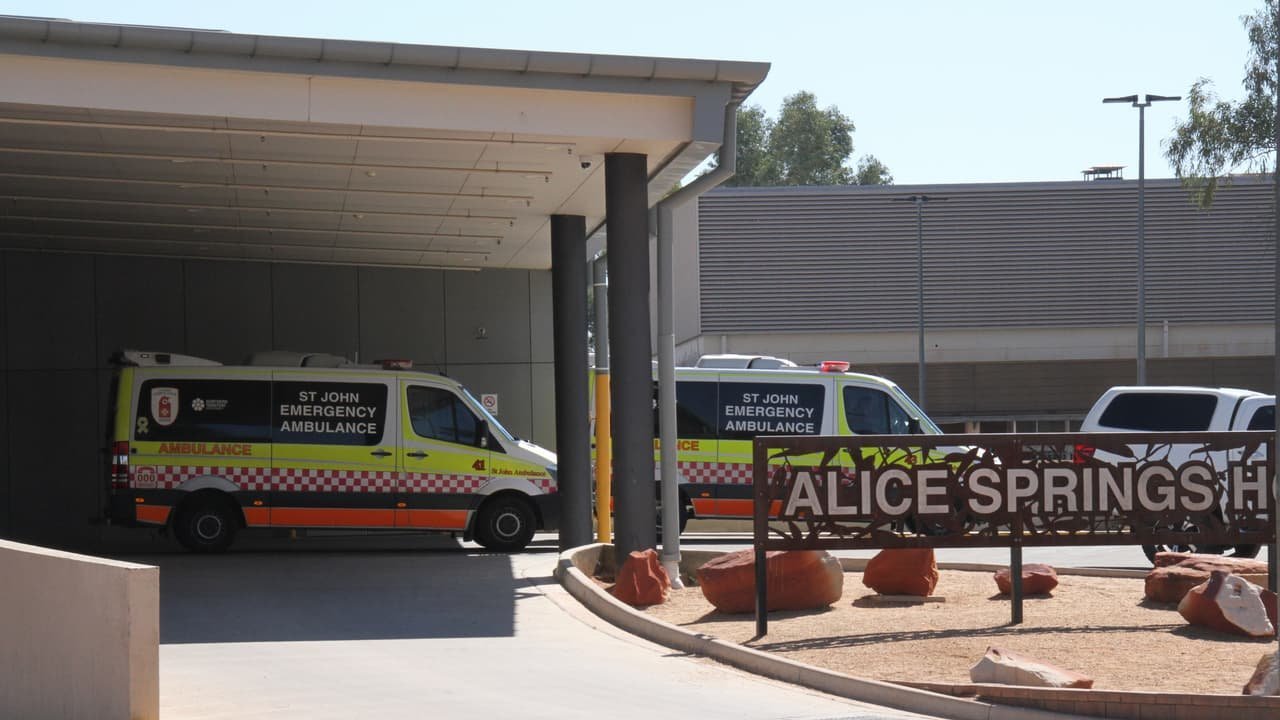
- Mould has allegedly spread through Alice Springs Hospital, including a treatment room used by amputees who are highly vulnerable to infection.
- The Health Services Union is weighing action in the Fair Work Commission, while the Health Minister admits he cannot yet say what is causing the smell.
Imagine arriving at work, sitting down at your bench and breathing in the smell of death.
Not once. Not occasionally.
But routinely, for years.

That, according to the union representing them, is the daily reality for pathology staff at Royal Darwin Hospital, the largest hospital in the Northern Territory and the institution thousands of Territorians rely on when their lives are on the line.
The Health Services Union says the people who analyse blood, tissue and test samples for patients are being made “physically sick” by the stench of decomposing bodies rising from the morgue beneath them.
Some have been unable to come to work at all.
The allegations have reignited fierce questions about the state of public hospitals in the Top End, and whether the government has neglected the facilities that underpin the Territory’s entire health system.
Billy Elrick, secretary of the HSU’s South Australian and Northern Territory branch, says the problem stems from a simple but alarming design flaw.
Medical scientists and other pathology workers are stationed directly above what he describes as an ageing, “extremely outdated” mortuary, and both areas are served by the same air-conditioning system.
The result, he says, is that odours from the morgue circulate into staff areas on a regular basis.
Workers have reported nausea, feeling unwell and psychological harm.
Mr Elrick says the experience is worst when bodies arrive already in a state of decomposition, a common occurrence in a remote, tropical jurisdiction where people can lie undiscovered for extended periods in extreme heat.
He also claims the morgue frequently overflows, with more bodies than it is equipped to hold. The facility, he argues, simply lacks the infrastructure to properly manage remains that have begun to break down.
Mr Elrick noted that dedicated, separate airflow for mortuaries is standard practice around the country precisely because of the smell and the other risks posed by decomposing bodies.
He told reporters he knew of more than a dozen complaints lodged with the NT government, and was dissatisfied with efforts to fix the problem.
He described the situation as unacceptable for workers and deeply undignified for families who have lost loved ones.
The failure has a paper trail. In 2023, the Territory’s then-Labor government announced a new morgue would be constructed.
That project never materialised, and the old facility remains in use.
Health Minister Steve Edgington, of the Country Liberal Party government, conceded on Wednesday he could not yet pinpoint the cause. He said officials were examining whether it was an air-conditioning fault and promised the issue would be resolved.
The minister pointed to $3 million set aside for the morgue in the May budget, with $1 million earmarked for designing a new facility and $2 million directed to repairs and maintenance.
But the troubles extend far beyond Darwin’s mortuary.
The HSU says staff at Casuarina Plaza, a Darwin building housing several NT Health offices, have endured a mould infestation that spread across two floors. Despite recent remediation, workers allege the mould has already come back.
Some 1,500 kilometres south, the union says “widespread” mould has been reported for years at Alice Springs Hospital. Of particular concern is the podiatry treatment room, which serves vulnerable patients including people recovering from amputations, who face heightened infection risks.
Mr Elrick says workers at both sites have reported dizziness, headaches and other symptoms they link to the mould. He argues the recurring problems show NT Health and the government are failing to properly care for health facilities.
Mr Edgington said the department was searching for alternative premises for Casuarina Plaza staff and had been conducting deep cleans.
He could not offer a timeline for relocation, and said he had only been told about the Alice Springs mould the previous day, before directing the department to investigate.
Analysis: What This Means for Australia
At first glance, this might look like a local workplace dispute. It is far more than that.
Pathology is the hidden engine of modern medicine. A significant share of clinical decisions depend on laboratory results, from diagnosing cancer to managing infections.
If skilled scientists are too unwell to work, or quit altogether, diagnosis slows down. Patients wait longer.
Lives can be put at risk.
The Northern Territory already battles chronic difficulty attracting and retaining health workforce staff. Every worker driven away by intolerable conditions is costly and slow to replace, often requiring expensive interstate recruitment or agency staff.
The mould allegations carry their own public safety dimension. Hospitals are meant to be the cleanest environments in the community.
Exposing amputees and immunocompromised patients to potential fungal contamination is the opposite of what a hospital should do.
There is also a question of dignity.
Families in the Territory, including many remote Aboriginal communities who must bring deceased relatives into Darwin, deserve confidence that their loved ones are being cared for respectfully, not crammed into an overflowing facility.
And the morgue serves more than grieving families. Mortuaries support coronial investigations and police inquiries into suspicious deaths, which means a strained facility has implications for the justice system as well as health.
Workplace safety specialists say the issue may also test obligations under workplace health and safety laws, which increasingly treat psychosocial hazards as seriously as physical ones.
Regulators such as Safe Work Australia have highlighted psychological harm as a key workplace risk in recent years.
Industrial relations observers believe a referral to the Fair Work Commission would sharply escalate pressure on the government and could force faster, binding commitments.
Health policy analysts warn that $2 million in repairs may only patch over deeper structural problems, noting that infrastructure promises announced but never delivered tend to erode trust among frontline staff.
Union insiders say workers have heard reassurances before. What they want now is fresh air, clean walls and a timeline.
For the moment, those who keep the Territory’s hospitals running are still waiting, and still breathing it in.