
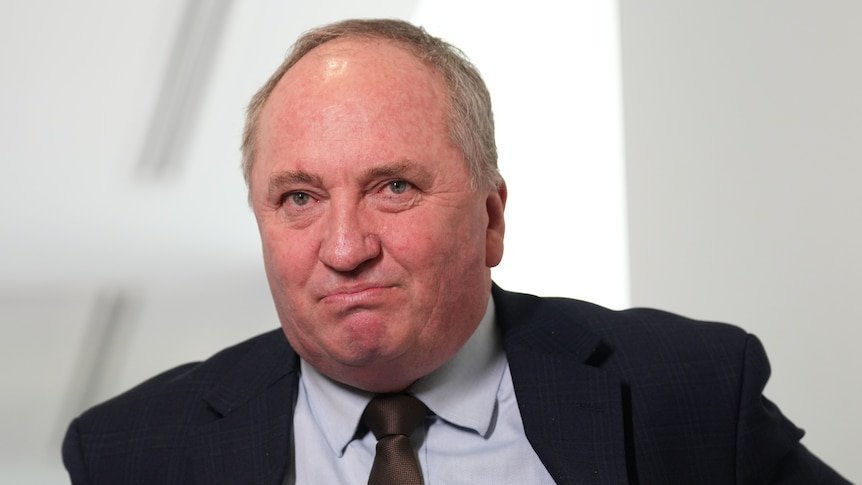
‘Make Your Choice’: Barnaby Joyce Unveils One Nation’s Plan to Shrink Canberra by Leaving Retiring Public Servants Unreplaced, Scrapping the Climate Change Department, and Possibly Axing Federal Health and Education
- Barnaby Joyce wants retiring federal bureaucrats left unreplaced as One Nation moves to shrink Canberra by attrition
- The Climate Change Department would be abolished, with the federal Health and Education departments also at risk of being axed or merged
- No costings or dollar figures were released, as Labor accuses the Coalition of eyeing Medicare in its own $31 billion cuts plan
- Markets put the odds of a Melbourne Cup Day interest rate hike at 62 per cent, putting mortgage holders on edge
Australia’s fight over the size of government has just got personal for thousands of Canberra workers.
Barnaby Joyce, now One Nation’s treasury spokesman, has laid out a blunt plan: when federal public servants retire or resign, their desks stay empty. Departments that double up on work done by the states would be shut down.
And the Climate Change Department would be the first to go.
It is a direct challenge to the way Canberra has worked for decades. It comes as households face an anxious week, with fresh inflation figures due and a possible rate rise on Melbourne Cup Day.
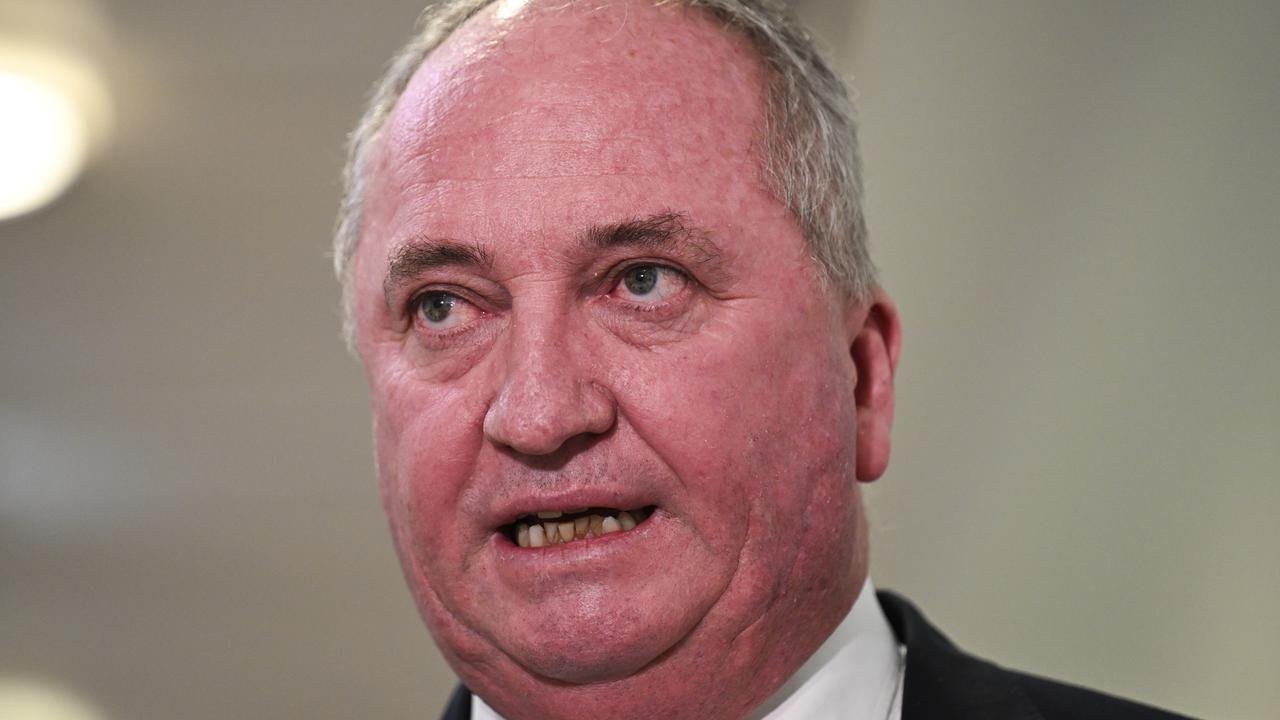
Speaking on Tuesday morning, Joyce said the federal bureaucracy had to be streamlined and that duplication between the two levels of government could not continue.
His message to voters and states was simple. Choose a state department or a federal one, but not both.
Under his model, positions vacated through retirement and natural turnover would not be filled again.
Joyce went further in comments to 7NEWS. He suggested the federal Education and Health departments, two of the biggest symbols of Commonwealth power, could also be abolished or folded into other agencies.
He framed the problem in two parts: the size of Australia’s debt and the direction it is heading.
What he did not provide were numbers. There was no costing, no estimate of savings and no figure for how many jobs could disappear.
That gap is likely to draw heavy fire from opponents and economists alike.
The timing is no accident. Federal government spending is running at 26.9 per cent of gross domestic product.
Outside the pandemic years, that is the highest level in four decades.
Treasurer Jim Chalmers has signalled that a savings package will feature in the Mid-Year Economic and Fiscal Outlook, expected in December. After years of rising outlays, the Government appears to accept that something has to give.
The Opposition moved first. On Monday, the Coalition promised $31 billion in spending cuts, targeting net zero agencies, renewable energy schemes and housing programs.
That has turned the debate into a contest over who can cut hardest. One Nation, keen to outflank the major parties on the right, is now offering what amounts to a structural overhaul of the federal government itself.
Labor backbencher Julie-Ann Campbell admitted the Government had to find savings wherever it could, describing the need to throw everything at the problem.
But she warned that cuts must not come at the cost of relief for struggling families, and asked whether the Coalition would next take aim at healthcare and Medicare.
Shadow Treasurer Tim Wilson rejected that claim, saying health was not the Coalition’s focus.
He said the goal was a sustainable budget, arguing that higher spending was pushing up inflation and interest rates, and with them mortgage repayments and supermarket bills.
Analysis: What This Means for Australia
Behind the political point-scoring sits a serious economic problem. Economists and the Reserve Bank of Australia have said government spending is helping to drive domestic demand, and with it, inflation.
Trimmed mean inflation, the RBA’s preferred underlying measure, is sitting at 3.6 per cent. That is well above the bank’s target band, which tops out at 3 per cent.
The September quarter figures from the Australian Bureau of Statistics land on Wednesday, October 28. The RBA board meets days later on Melbourne Cup Day.
Markets are pricing a 62 per cent chance of a 25 basis point hike.
For homeowners, that is the real stake. Another rate rise would deepen the pain for families already stretched by the cost of living crisis and add to pressure on the housing market.
Joyce’s attrition model is designed to avoid the political damage of mass sackings. But the effects would still be felt.
Canberra’s economy depends heavily on the public service, and a long hiring freeze would hit local businesses, the property market and young Australians hoping to start careers in government.
The plan also raises hard questions about who does what. Health and education are funded through complex Commonwealth-state deals.
Removing or absorbing the federal departments could disrupt funding agreements for hospitals and schools that millions of Australians rely on.
Scrapping the Climate Change Department would also reshape climate policy at a time when energy prices and the transition to renewables remain major political flashpoints.
Budget analysts say the absence of costings is the plan’s biggest weakness.
Without numbers, they argue, it is impossible to know whether attrition would deliver meaningful savings quickly enough to ease inflation, or whether it would take years to have any real effect.
Public sector observers warn that natural turnover rarely follows a neat pattern. Experienced staff tend to leave from areas that are hard to replace, which could leave gaps in critical services while other teams remain overstaffed.
Political strategists believe the proposal is aimed squarely at voters angry about rising bills and sceptical of Canberra. By promising to cut the bureaucracy rather than benefits, One Nation is trying to claim the mantle of fiscal discipline from the Coalition.
Economic observers note that all sides now agree on one point: spending is too high and is feeding inflation. The fight is over where the axe should fall, and who will feel it.
That question will sharpen quickly.
With inflation data out on Wednesday, a rate decision on Melbourne Cup Day and the Treasurer’s savings package due in December, Australians are about to find out how deep the cuts will go.