
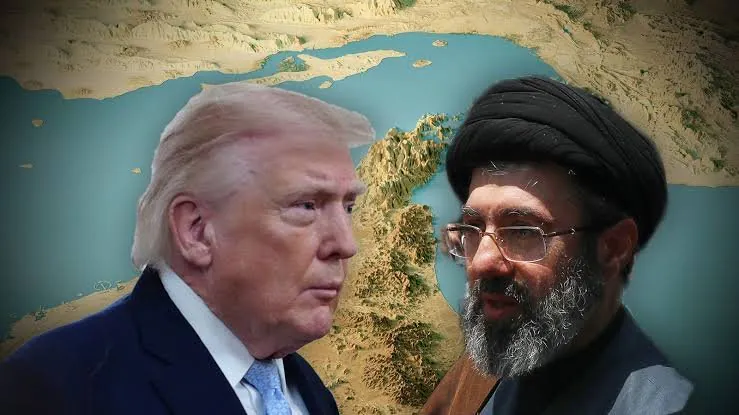
‘Empty Talk’: Iran’s Security Chief Slams Trump’s Economic Warfare Threats as Tehran Vows to Stop Oil Flowing Through Persian Gulf
- Iran’s powerful security chief Mohsen Rezaei warns neighboring countries not to join US economic crackdown, threatening to target their interests
- Tehran could stop oil flowing through the Persian Gulf, crippling global energy shipments and escalating tensions
- Iranian President Masoud Pezeshkian strikes a different tone, arguing that the country ‘cannot continue with war forever’ and advocating for a peaceful resolution
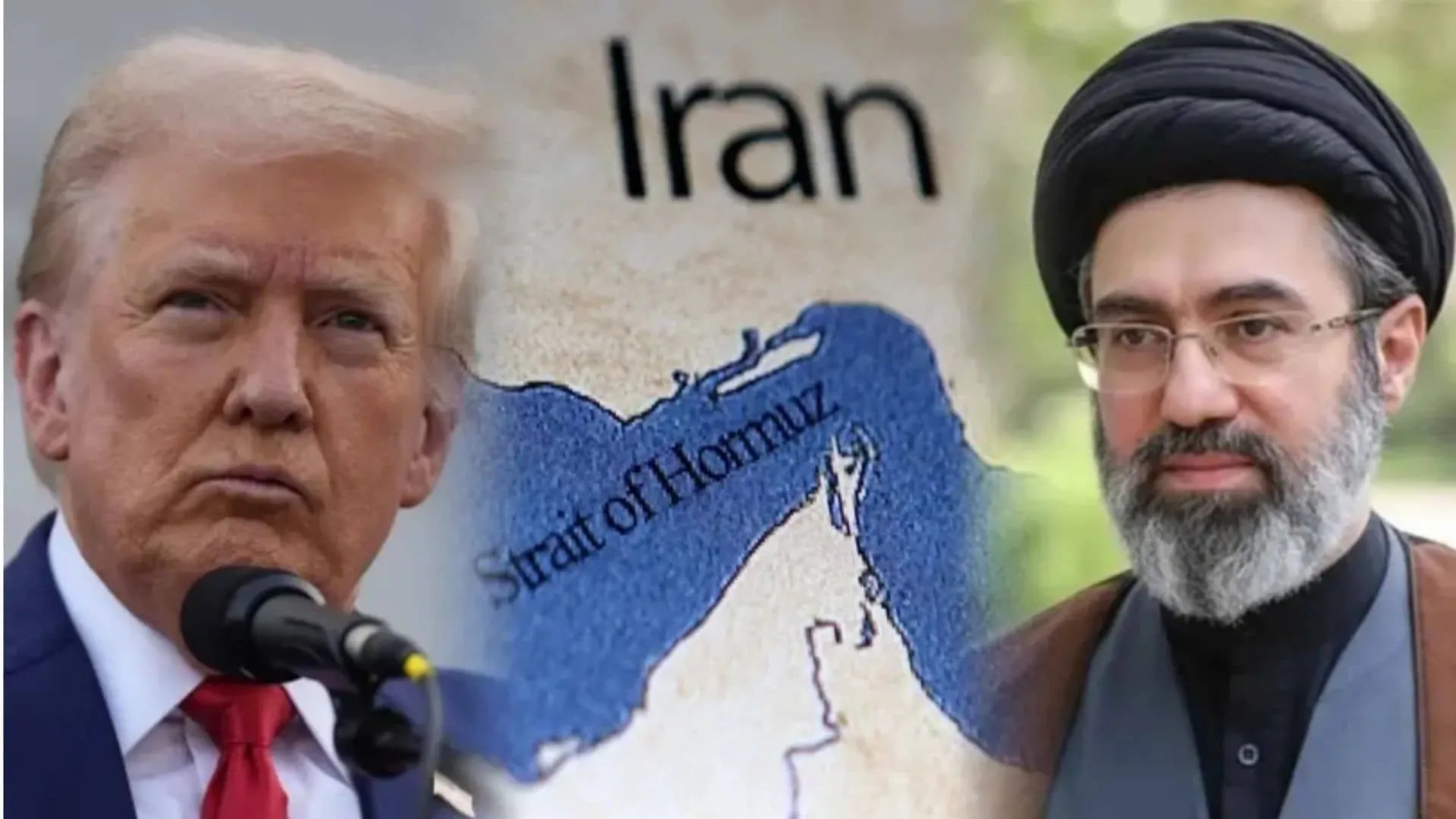
- The Strait of Hormuz remains at the heart of the confrontation, with Iran blockading the strategic waterway and disrupting global oil shipments
Iran’s powerful security chief Mohsen Rezaei has dismissed Donald Trump’s threats of economic warfare as ’empty talk’, warning neighboring countries not to join the US crackdown and threatening to target their interests.
In a bold statement, Rezaei declared that Tehran could stop oil flowing through the Persian Gulf, crippling global energy shipments and escalating tensions in the region.
The warning comes as Donald Trump prepares to dramatically intensify his economic campaign against Iran, with Washington promising the toughest sanctions yet.
Rezaei’s comments potentially put major Gulf energy producers on notice, including Saudi Arabia and the United Arab Emirates, which have spent years developing alternative export routes to reduce their reliance on the Strait of Hormuz.
However, Rezaei indicated that these routes may not be beyond Tehran’s reach, threatening alternative pathways used to move Gulf oil to international markets.
His comments amount to one of the clearest warnings yet that Iran’s hardline security establishment could increasingly regard cooperation with Washington’s economic campaign as participation in the wider conflict.
Rezaei also insisted that Iran would ‘neutralize the economic war’ being waged by the US, with the Trump administration expected to unveil details of tougher sanctions on Monday.
The combative rhetoric comes amid growing indications of a potentially serious split at the highest levels of power in Tehran.
While Rezaei is promising resistance and threatening retaliation, Iranian President Masoud Pezeshkian struck a dramatically different tone on Sunday, declaring that his country ‘cannot continue with war forever.’ Pezeshkian openly defended the memorandum of understanding Iran reached with the United States in June, despite reported reservations from Supreme Leader Mojtaba Khamenei.
President Pezeshkian argued that Tehran cannot remain indefinitely trapped between outright conflict and an elusive peace. ‘One day, a decision must be made to save the country from the state of “neither war nor peace,”‘ he said.
He maintained that officials directly involved in negotiations believed the agreement with Washington had offered Iran its best available path forward.
Rezaei’s comments suggest Iran’s powerful military-security establishment is preparing for precisely the opposite possibility. The former senior military commander said Iran would introduce new capabilities and alter its approach across several fronts.
‘We will see changes in the conduct of the war, in diplomacy, and in political and social affairs, and new capabilities will be brought into play,’ he said.
Rezaei, an adviser to Supreme Leader Khamenei, also declared that Tehran would refuse to bow to US demands and maintained that the Strait of Hormuz would remain closed until Washington fulfilled what Iran considers its commitments.
The strait has become one of Tehran’s most powerful weapons in its showdown with Washington because of its enormous importance to the global energy trade.
Analysis: What This Means for Australia
The escalating tensions between Iran and the US have significant implications for Australia’s national security and economic interests.
As a key player in the Asia-Pacific region, Australia has a vested interest in maintaining stability in the Middle East and ensuring the free flow of oil through the Strait of Hormuz.
Security analysts say that Iran’s threats to stop oil flowing through the Persian Gulf could have far-reaching consequences for Australia’s energy security.
‘If Iran were to follow through on its threats, it could lead to a significant disruption in global oil supplies, which would have a major impact on Australia’s economy,’ said one expert.
Law enforcement insiders warn that the situation could also have implications for Australia’s border security.
‘If Iran were to escalate its actions, it could lead to an increase in refugee flows and asylum seeker arrivals in Australia,’ said another expert.
Industry observers believe that the situation highlights the need for Australia to diversify its energy sources and reduce its reliance on Middle Eastern oil.
‘Australia needs to invest in renewable energy and develop its own domestic energy resources to reduce its vulnerability to global energy shocks,’ said one observer.
The situation also highlights the need for Australia to engage in diplomatic efforts to reduce tensions between Iran and the US.
‘Australia should be working with its international partners to find a peaceful resolution to the conflict and reduce the risk of a wider war,’ said another expert.