
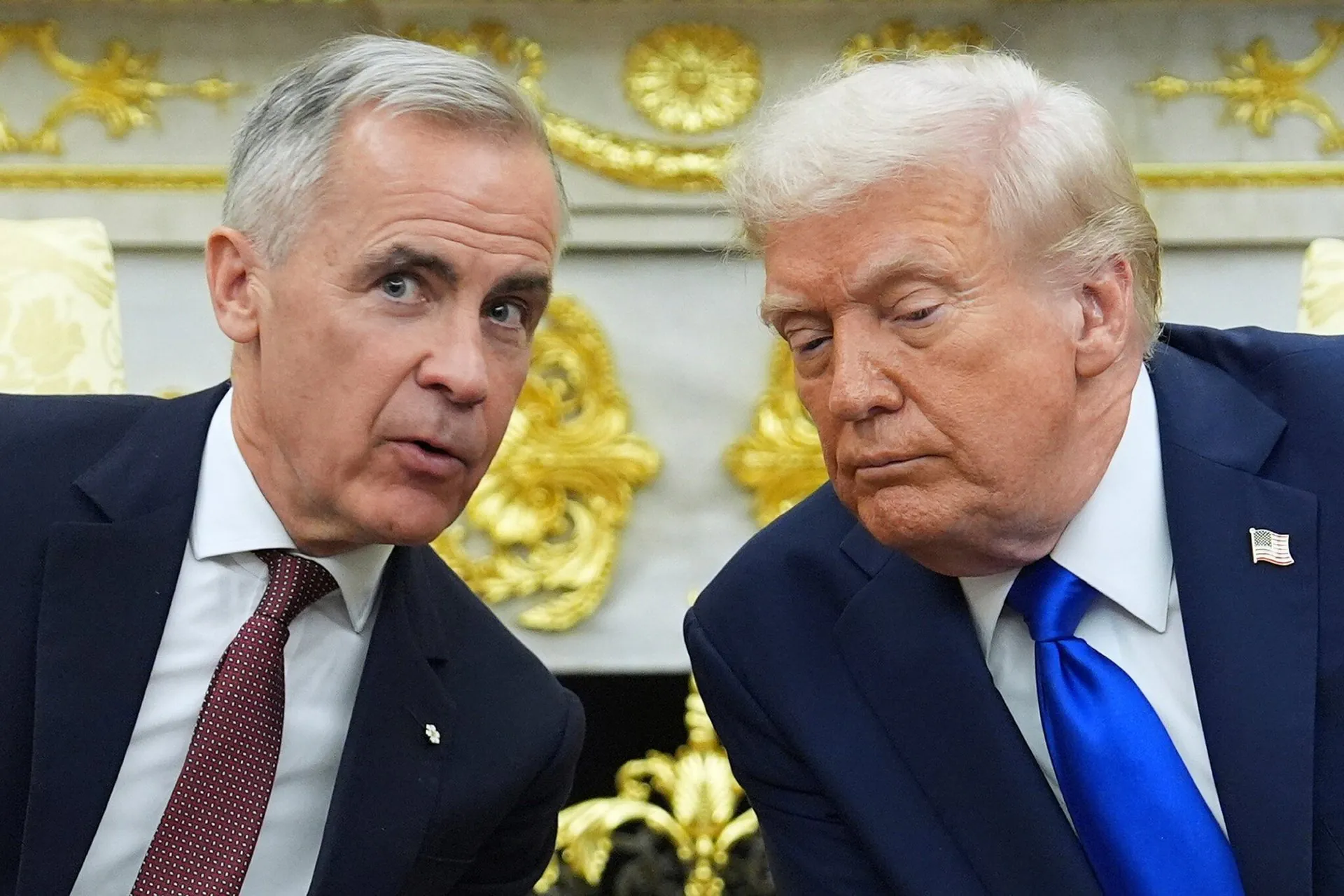
TRADE WAR ERUPTS: Canada Vows to Hit Back at US with Retaliatory Tariffs as Trump’s 50% Levy on Vehicles and Steel Looms
- Canada to impose retaliatory tariffs on US steel and dairy from September 8 in response to Trump’s 50% levy on Canadian vehicles and steel
- Trade talks between US and Canada collapse after US negotiators demand last-minute restrictions on Canadian trade deals with other countries
- Trump threatens to slap 50% tariff on all cars and trucks from Canada from January 1, prompting Canadian PM to vow further retaliation
- US and Canada’s trade rift deepens, with US Vice-President JD Vance accusing Canada of having one of the “worst trade policies” in the world
The trade war between the United States and Canada has escalated, with Canadian Prime Minister Mark Carney vowing to impose retaliatory tariffs on US steel and dairy from September 8.
The move comes in response to US President Donald Trump’s announcement of a 50% tariff on Canadian vehicles, auto parts, and steel from next year.
The trade talks between the two nations collapsed last week, with US negotiators demanding last-minute restrictions on Canadian trade deals with other countries. Trump has repeatedly threatened, imposed, and then revoked trade levies against Canada since his inauguration in 2025.
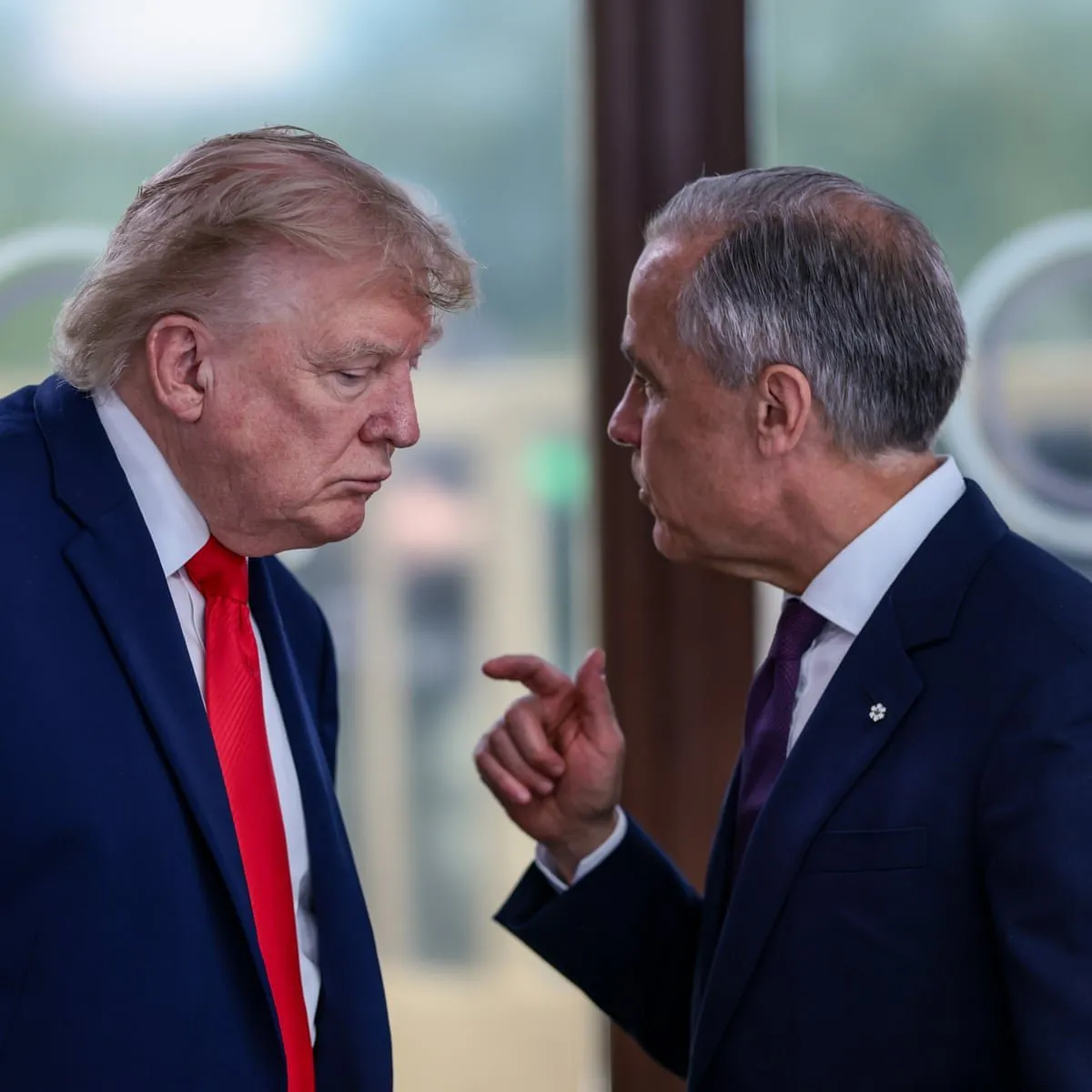
The latest round of trade troubles was sparked when talks between the US and Canada disintegrated on Friday.
Trump has taken aim at Canada, criticizing its “ridiculously high tariffs” on American farmers. He has also floated the idea of a potential American takeover of its northern neighbor.
The US president has imposed levies on about 5% of Canadian exports to the US, including hockey sticks and tongue depressors. The United States consumes 70% of Canada’s overall exports, while Canada is the US’s second-biggest trading partner in goods this year, behind Mexico.
Carney has said that one reason trade talks collapsed was that US negotiators wanted last-minute restrictions on Canadian trade deals with other countries and made “threats” to the French language and “Quebec culture.” He has vowed to build domestically and diversify trade abroad, saying that “plan A from the start” has been to reduce Canada’s reliance on the US market.
US Vice-President JD Vance has accused Canada of having one of the “worst trade policies” in the world, alongside China.
He has also said that Canada has underinvested in its military and would be invaded by a foreign country if it were not for “the umbrella of protection provided by the US.” Trump has not backed down from his threat to impose a 50% tariff on the auto industry, due to start on January 1.
Canada’s retaliatory tariffs will target US steel and dairy, as well as sectors like agricultural equipment, pulp and paper, and electronics.
The Canadian PM has said that the threat is “not a surprise” and that Canada will return to the negotiating table when the US comes with the “right attitude” towards its industries and a “true partnership.”
Analysis: What This Means for Australia
The escalating trade war between the US and Canada has significant implications for Australia’s trade relationships with both countries. As a major trading partner with the US, Australia may find itself caught in the crossfire.
The US is Australia’s third-largest trading partner, and any disruption to trade between the US and Canada could have a ripple effect on the global economy.
Australia’s trade minister has been watching the developments closely, and experts warn that the country may need to reassess its trade relationships with both the US and Canada.
The Australian government has been seeking to diversify its trade relationships, including with the European Union, but the US and Canada remain crucial partners.
Security analysts say that the trade war between the US and Canada highlights the need for Australia to develop a more nuanced approach to trade diplomacy.
The country must balance its relationships with major trading partners while also protecting its own economic interests.
Industry observers believe that the trade war could lead to increased protectionism and a decline in global trade. This could have significant consequences for Australia’s economy, which relies heavily on international trade.
The Australian government must carefully navigate the complex web of trade relationships to ensure that the country’s economic interests are protected.
Law enforcement insiders warn that the trade war could also have implications for national security. The increased tensions between the US and Canada could lead to a decline in cooperation on security issues, including counter-terrorism and cybersecurity.
Australia must be prepared to adapt to changing global circumstances and ensure that its national security interests are protected.
The trade war between the US and Canada serves as a reminder of the complex and interconnected nature of global trade. As the world’s 13th-largest economy, Australia must be prepared to navigate the challenges and opportunities presented by this new trade landscape.