Exclusive: ‘Ghost Town’ Nightmare as Sydney Developer Bathla Group Collapses, Leaving Thousands of Homeowners in Limbo
- Major Sydney residential developer Bathla Group falls into administration, sparking fears for thousands of homeowners and investors
- Company’s ‘perfect storm’ of financial woes includes softening sales, tax change impacts, and higher construction costs
- Single mother Kate, who bought an off-the-plan home, speaks out about her fears for her family’s future: ‘I’m very worried and just scared’
The collapse of Sydney’s Bathla Group has sent shockwaves through the housing construction industry, leaving thousands of homeowners and investors in limbo. The company, which has been struggling with financial pressures for months, appointed administrators from Teneo on Tuesday.
The move has sparked fears for the future of its projects, including a massive pipeline of 22,000 apartment dwellings and 3,500 homes.
According to its website, Bathla Group is a major developer of lower-cost homes, townhouses, and apartments, particularly in Western Sydney suburbs such as Schofields, Marsden Park, and Tallawong.
However, the company’s financial troubles have been mounting, with managing director Bhart Bhushan citing a “perfect storm” of softening sales, tax change impacts, and higher construction costs.
As at June 30 last year, Universal Property Group, the main corporate entity, had $3.2 billion in liabilities, the majority of which was reportedly owed to private credit funds.



The collapse is likely to intensify scrutiny of Bathla’s extensive use of private credit to finance its property developments.
Administrators will begin assessing the financial position of the affected companies, with their immediate priority being to “stabilise the Group’s operations” and work with lenders and other stakeholders to support employees and the continued delivery of projects.
For homeowners like Kate, who bought an off-the-plan freestanding house in Lochinvar, in regional New South Wales, for $709,990 in the middle of last year, the news is devastating.
Kate, who does not wish to use her real name, told ABC News that she had been relying on the property becoming her family home. “I am very worried and just scared this could jeopardise the completion of the house,” the single mother said.
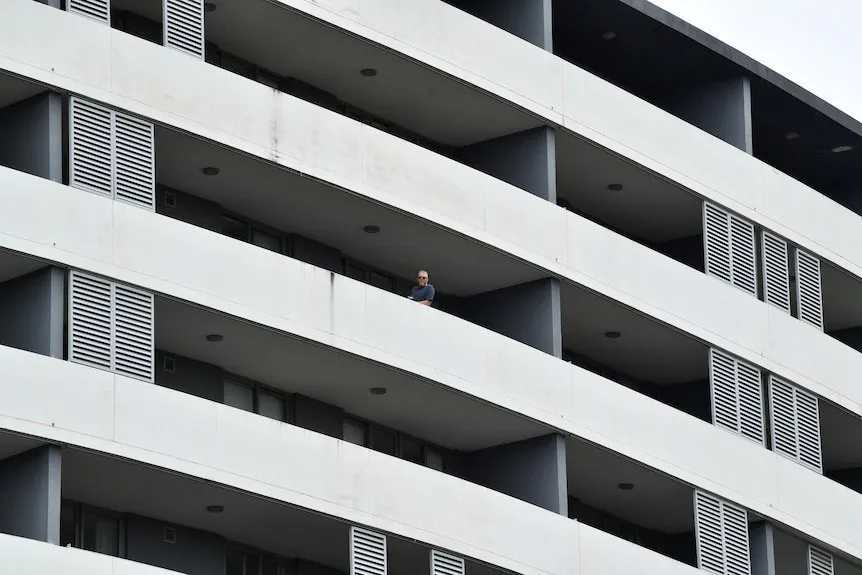
“I have been nervous for some time, to be honest, as there seems to be no-one there working on the property on many days. It seems like a ghost town.”
Kate’s concerns are echoed by many others who have invested in Bathla’s projects.
The company’s collapse raises serious questions about the use of private credit in the housing construction industry and the risks it poses to homeowners and investors.
Analysis: What This Means for AustraliaThe collapse of Bathla Group has significant implications for Australia’s housing market and the broader economy.
The use of private credit to finance property developments has been a growing trend in recent years, but it also poses significant risks. As the Bathla Group collapse demonstrates, when things go wrong, it can have devastating consequences for homeowners and investors.
Security analysts say that the collapse highlights the need for greater regulation of the private credit market and more transparency around the use of private credit in property developments.
“This is a wake-up call for the industry and for regulators,” said one analyst.
“We need to make sure that we are protecting homeowners and investors from the risks associated with private credit.”
The collapse also raises concerns about the impact on the construction industry and the thousands of workers employed by Bathla Group.
Administrators have said that their priority is to stabilise the business and support employees, but it remains to be seen how many jobs will be lost.
Law enforcement insiders warn that the collapse of Bathla Group may also have implications for the fight against money laundering and other financial crimes. “The use of private credit can make it difficult to track the flow of funds and identify suspicious transactions,” said one insider.
“This is a concern for law enforcement agencies and highlights the need for greater cooperation between regulators and industry participants.”
As the administrators work to stabilise the business and assess the financial position of the affected companies, one thing is clear: the collapse of Bathla Group is a major blow to the housing construction industry and has significant implications for Australia’s economy and homeowners.
The collapse of Sydney’s Bathla Group has sent shockwaves through the housing construction industry, leaving thousands of homeowners and investors in limbo. The company, which has been struggling with financial pressures for months, appointed administrators from Teneo on Tuesday. The move has sparked fears for the future of its projects, including a massive pipeline of 22,000 apartment dwellings and 3,500 homes.
According to its website, Bathla Group is a major developer of lower-cost homes, townhouses, and apartments, particularly in Western Sydney suburbs such as Schofields, Marsden Park, and Tallawong. However, the company’s financial troubles have been mounting, with managing director Bhart Bhushan citing a “perfect storm” of softening sales, tax change impacts, and higher construction costs. As at June 30 last year, Universal Property Group, the main corporate entity, had $3.2 billion in liabilities, the majority of which was reportedly owed to private credit funds.
The collapse is likely to intensify scrutiny of Bathla’s extensive use of private credit to finance its property developments. Administrators will begin assessing the financial position of the affected companies, with their immediate priority being to “stabilise the Group’s operations” and work with lenders and other stakeholders to support employees and the continued delivery of projects.
For homeowners like Kate, who bought an off-the-plan freestanding house in Lochinvar, in regional New South Wales, for $709,990 in the middle of last year, the news is devastating. Kate, who does not wish to use her real name, told ABC News that she had been relying on the property becoming her family home. “I am very worried and just scared this could jeopardise the completion of the house,” the single mother said. “I have been nervous for some time, to be honest, as there seems to be no-one there working on the property on many days. It seems like a ghost town.”
Kate’s concerns are echoed by many others who have invested in Bathla’s projects. The company’s collapse raises serious questions about the use of private credit in the housing construction industry and the risks it poses to homeowners and investors.
The collapse of Bathla Group has significant implications for Australia’s housing market and the broader economy. The use of private credit to finance property developments has been a growing trend in recent years, but it also poses significant risks. As the Bathla Group collapse demonstrates, when things go wrong, it can have devastating consequences for homeowners and investors.
Security analysts say that the collapse highlights the need for greater regulation of the private credit market and more transparency around the use of private credit in property developments. “This is a wake-up call for the industry and for regulators,” said one analyst. “We need to make sure that we are protecting homeowners and investors from the risks associated with private credit.”
The collapse also raises concerns about the impact on the construction industry and the thousands of workers employed by Bathla Group. Administrators have said that their priority is to stabilise the business and support employees, but it remains to be seen how many jobs will be lost.
Law enforcement insiders warn that the collapse of Bathla Group may also have implications for the fight against money laundering and other financial crimes. “The use of private credit can make it difficult to track the flow of funds and identify suspicious transactions,” said one insider. “This is a concern for law enforcement agencies and highlights the need for greater cooperation between regulators and industry participants.”
As the administrators work to stabilise the business and assess the financial position of the affected companies, one thing is clear: the collapse of Bathla Group is a major blow to the housing construction industry and has significant implications for Australia’s economy and homeowners.