Victoria Unleashes Ambitious Offshore Wind Revolution: 2 Gigawatts of Power to Fuel 1.5 Million Homes and Create Thousands of Jobs
- The Victorian government has launched its first offshore wind auction, inviting companies to bid for 2 gigawatts of power that will electrify 1.5 million homes and create a jobs bonanza.
- Successful projects will receive government support, with contracts expected to be awarded in 2028, paving the way for construction and operation.
- Offshore wind is set to play a crucial role in Victoria’s energy future, with the state aiming to produce at least 2 GW of power from offshore wind by 2032.
- Industry experts hail the move as a significant step towards a cleaner, more reliable energy mix, but warn of challenges ahead, including higher costs and complex contractual arrangements.
The Victorian government has thrown open the doors to its first offshore wind auction, marking a major milestone in the state’s transition to a cleaner, more sustainable energy future.
The auction, which will see companies bid for 2 gigawatts of power, is expected to deliver enough electricity to power 1.5 million homes and create thousands of jobs, particularly in the Gippsland region.
Successful applicants will receive government support, with contracts expected to be awarded in 2028, allowing projects to move towards securing investment, construction, and operation. The auction was planned last year but was delayed while the state and federal governments worked on the timing.
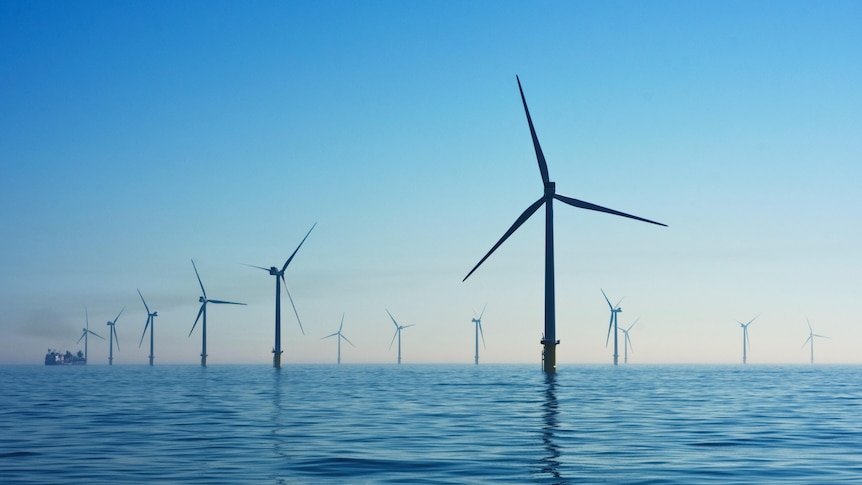
The first offshore wind is not expected to enter the grid until 2035, seven years after the closure of the Yallourn coal plant in the Latrobe Valley.
Victoria’s Energy Minister Jaclyn Symes hailed the move as an “amazing opportunity” for the state, which would produce cheap, reliable power and deliver thousands of jobs.



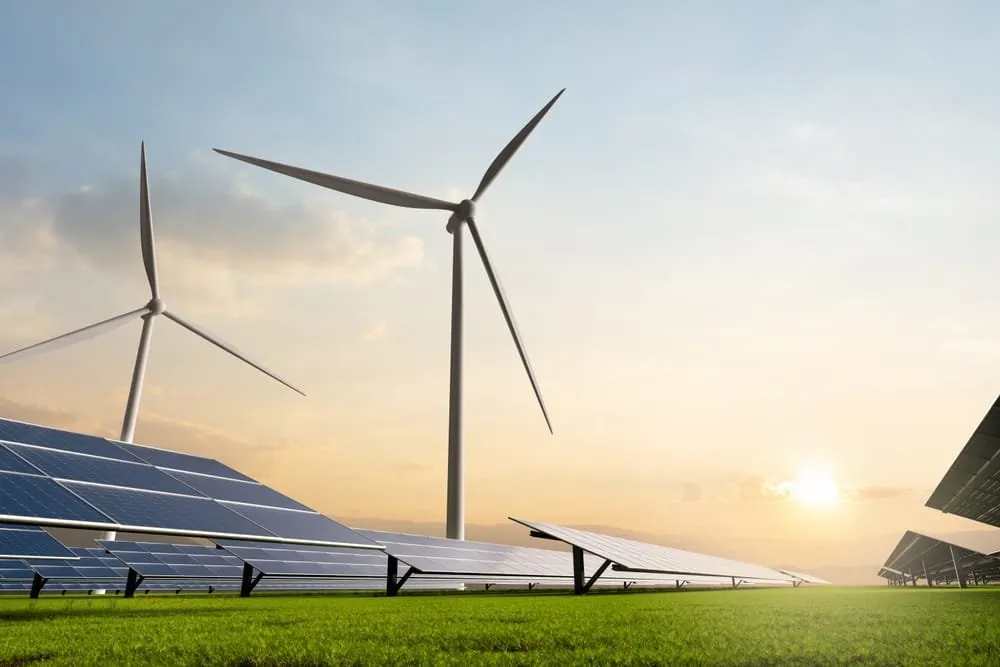
“Offshore wind is a very important component of our future way to create energy as coal retires,” Ms Symes said.
The Australian Energy Market Operator (AEMO) has indicated that demand for electricity is exploding due to the growth in data centres, which it forecasts will draw as much power as all homes in Victoria and New South Wales by 2036.
However, Ms Symes said AEMO had indicated that Victoria would not face a shortfall when Yallourn closes. The government planned to award contracts through the Electricity Services Entry Mechanism (ESEM), a scheme to drive investment in the sector.
The ESEM was agreed in principle late last year by energy ministers across Australia, with the exception of Queensland, and is yet to be adopted.
The government will assess bidders based on their value for money and ability to deliver benefits for local communities.
Victoria has a target to produce at least 2 GW of power from offshore wind by 2032, increasing to 4 GW in 2035 and 9 GW in 2040.
Offshore wind developer Southerly Ten welcomed the opening of the auction, saying it was “really good news” for the industry.
Grattan Institute energy program director Tony Wood said the beginning of the auction was an “important next step in what could be a very important process” for the grid.
Mr Wood said offshore wind offered “significant benefits” to Victoria, including producing more electricity more consistently than wind energy generated onshore. However, he also warned that offshore wind faced challenges, including higher costs and complex contractual arrangements.
Analysis: What This Means for Australia
The Victorian government’s offshore wind auction is a significant step towards a cleaner, more sustainable energy future for Australia. As the country transitions away from coal, offshore wind is set to play a crucial role in meeting our energy needs.
The move is expected to create thousands of jobs and stimulate economic growth, particularly in regional areas.
However, the auction also highlights the challenges ahead, including the need for significant investment in new infrastructure and the complexities of contractual arrangements.
As the industry moves forward, it will be crucial to address these challenges and ensure that offshore wind projects are delivered on time and on budget.
Security analysts say that the growth of offshore wind will also have implications for national security, as the country becomes less reliant on imported fuels and more self-sufficient in its energy production.
Law enforcement insiders warn that the industry will need to be vigilant in protecting its infrastructure from potential cyber threats and sabotage.
Industry observers believe that the Victorian government’s commitment to offshore wind will send a strong signal to investors and help to drive growth in the sector.
However, they also caution that the industry will need to work closely with government and regulators to address the challenges ahead and ensure a smooth transition to a cleaner, more sustainable energy future.