
Koala Carnage: Teen E-Bikers’ Sickening Hit-and-Run Sparks Outrage as Marsupial Mating Season Turns Roads into a Deadly Gauntlet
- A shocking dashcam video has captured the moment two teenage e-bikers struck a koala on a Brisbane road and callously rode off without stopping
- The incident has sparked outrage among animal lovers and raised concerns about the safety of koalas during mating season, when they are more active on the roads
- Wildlife rescue experts are warning motorists to be more alert and cautious, as the incident highlights the dangers faced by koalas and other wildlife on Australian roads
- The incident has also raised questions about the behavior of young drivers and the need for greater education and respect for wildlife and the community
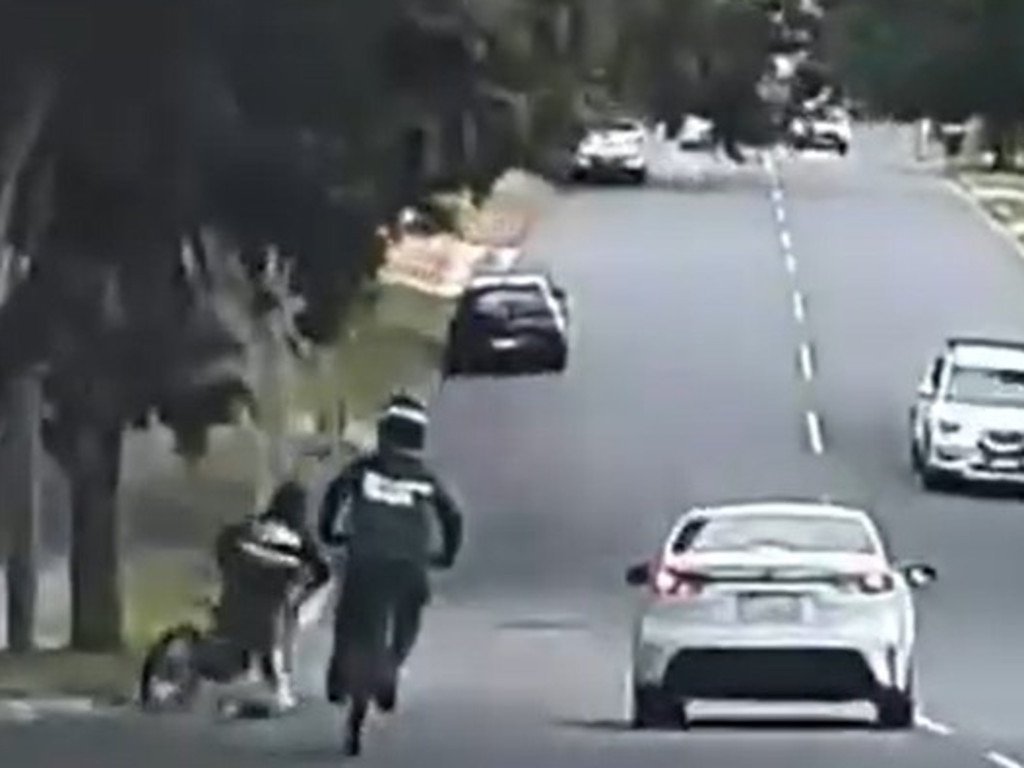
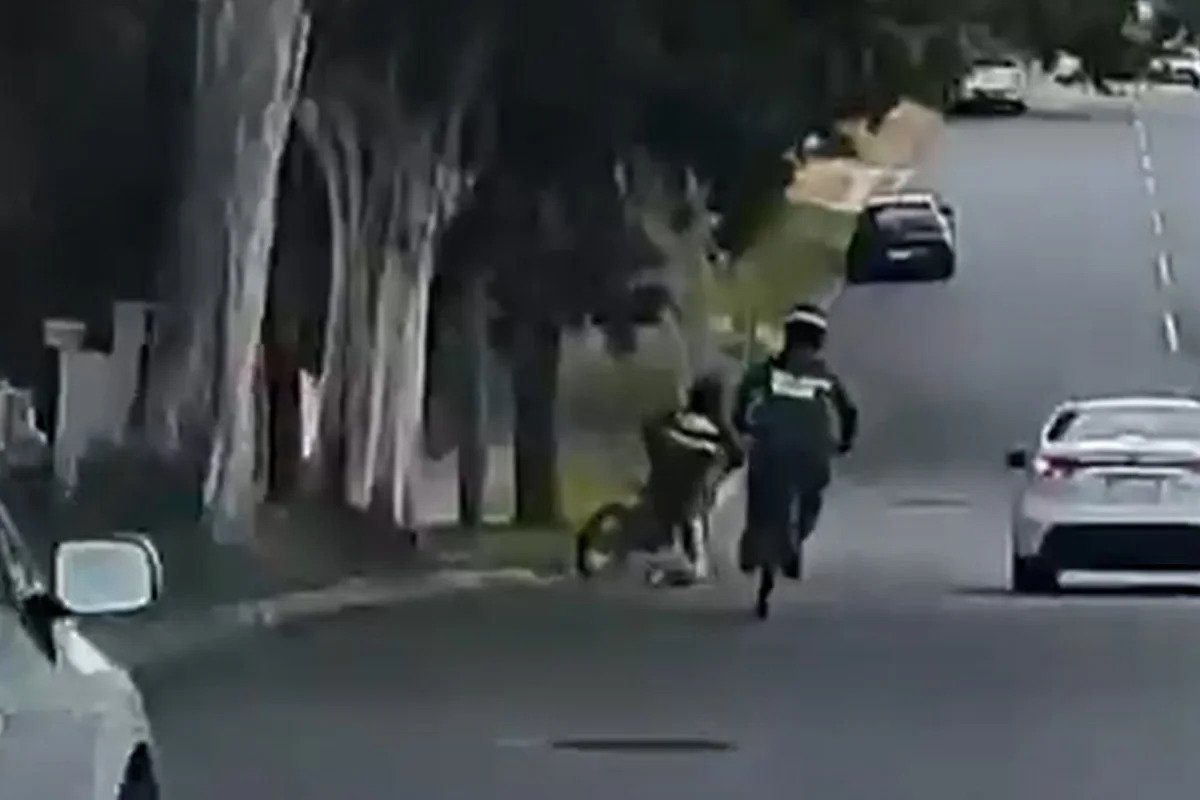
The disturbing footage, captured on Nursery Road in Holland Park, Brisbane, shows the lead e-biker attempting to overtake a vehicle in front, only to collide with a koala crossing the road.
The impact sends the marsupial tumbling to the ground, but the riders barely break stride, glancing back before continuing on their way.
The incident occurred on Saturday, during koala mating season, when males are more active and on the move. The footage was shared by Koala Rescue Brisbane South, who were alerted to the incident by another driver traveling in the opposite direction.
When rescuers arrived, they found two koalas, Valli and Barnsey, but were unsure which one had been hit. Both were taken to the RSPCA Wildlife Hospital in Wacol and later released uninjured the following day.
The incident has sparked widespread outrage, with many expressing shock and disgust at the riders’ callous behavior. “That was so hard to watch.
I can’t begin to understand why they or anyone else wouldn’t stop,” one commenter said. “He knew what he did and didn’t care,” another added.
The incident has also raised concerns about the safety of koalas during mating season, when they are more active on the roads.
John Knights, founder of Koala Rescue Brisbane South, urged motorists to be more alert and cautious, especially during koala mating season. “Quite often, I’ll be picking up an animal somewhere and while I’m doing it, I’ll see people speeding by,” he told Yahoo.
“Speed limits only seem to apply until 10pm, then you can do what you like.” Mr. Knights also expressed concerns about the behavior of young drivers, claiming that Australian teenagers are “not taught respect”.
Analysis: What This Means for Australia
The incident highlights the need for greater education and awareness about wildlife safety on Australian roads. With koala populations already under threat from habitat loss and climate change, the risk of collisions with vehicles is a major concern.
The incident also raises questions about the behavior of young drivers and the need for greater respect for wildlife and the community.
As one commenter noted, “It’s a sad world we live in now as people are so entitled and don’t care about anyone else other than themselves or anything else.”
Security analysts say that the incident is a wake-up call for motorists to be more vigilant and cautious, especially during peak wildlife activity periods. “It’s not just about the koalas, it’s about the broader impact on the community,” one expert said.
“When we see incidents like this, it’s a reminder that we need to take responsibility for our actions on the road and respect the wildlife that shares our environment.”
Law enforcement insiders warn that the incident may be a symptom of a larger problem, with young drivers often displaying reckless behavior on the roads. “It’s a cultural issue, and it’s not just about the kids, it’s about the parents and the community as a whole,” one insider said.
“We need to take a hard look at how we’re educating our young people about road safety and respect for wildlife.”
Industry observers believe that the incident highlights the need for greater investment in wildlife-friendly infrastructure, such as wildlife corridors and safer road design. “It’s not just about the koalas, it’s about creating a safer and more sustainable environment for all wildlife,” one observer said.