
‘The Worst Is Yet to Come’: Brutal Inflation Shock Leaves Millions of Mortgage Holders Bracing for an 18-Year Rate High as Chalmers’ Soft-Landing Dream Collapses
- The Reserve Bank is widely tipped to lift the cash rate to 4.85 per cent on Tuesday, a level not seen in almost two decades.
- The “narrow path to a soft landing” promised since 2022 now looks out of reach, with economists warning the squeeze could run deep into 2027.
- Treasurer Jim Chalmers was jeered in Question Time and has signalled spending savings, not fresh cost-of-living relief.
- A war abroad and a frenzied AI data centre building boom have combined into a perfect storm that Australian households are paying for.
For almost five years, Australian families have been told to hold on. Hold on through the rate rises.
Hold on through the grocery bills. Hold on, because relief was coming.
That promise has just been shattered.
A fresh batch of stubbornly high price data has delivered a verdict that few in Canberra wanted to hear. The pain is not over.
On the evidence now in front of policymakers, the hardest stretch may still lie ahead.
Financial markets and most economists now expect the Reserve Bank of Australia board to raise interest rates again when it meets on Tuesday. Such a move would push the cash rate to 4.85 per cent, the steepest setting in 18 years.
For the millions of Australians carrying a home loan, the arithmetic is merciless.
Every increase means more money diverted from the family budget straight to the bank, at a time when many have already exhausted their savings buffers amid the ongoing cost of living crisis.
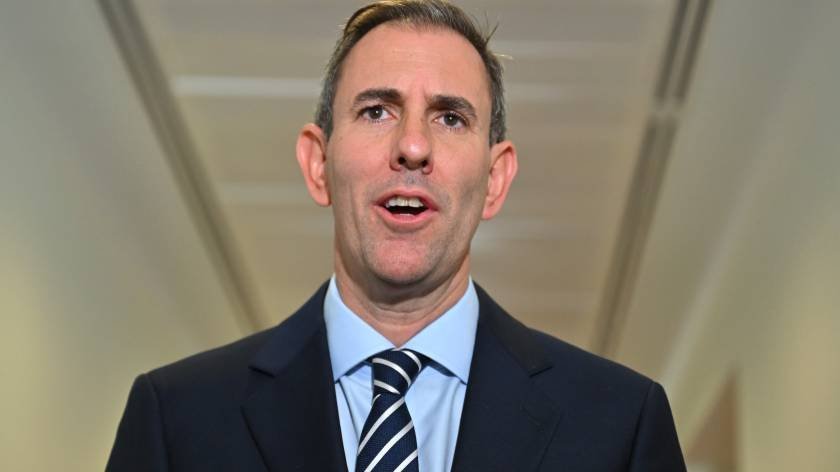
The political fallout was immediate. Treasurer Jim Chalmers faced the cameras for another grim press conference before walking into a Question Time chamber ringing with taunts from the Coalition benches.
His message was familiar.
He spoke of Australians who are struggling, insisted the Albanese government would keep acting responsibly, and lashed out at critics who pin the blame for persistent inflation on public spending.
But the question now hanging over the government is a blunt one. How many times can a treasurer offer sympathy and reassurance before voters simply stop listening?
To understand how Australia arrived here, it helps to go back to 2022, when prices first began to surge.
At the time, the government and the central bank presented a united front built around optimism. Their plan was dubbed “the narrow path to a soft landing”.
Rates would climb, but less aggressively than in comparable nations. They might stay elevated for longer, but the trade-off would be a protected jobs market and an economy spared from serious damage.
Sceptics warned it sounded too good to be true. History offers few examples of entrenched inflation being defeated without a recession.
Older Australians still remember Paul Keating’s infamous 1990 declaration that the country faced “the recession we had to have”.
For a while, the gamble seemed to be paying off. Unemployment barely moved.
Business collapses stayed contained. Forced home sales remained rare.
Then the world intervened.
A war overseas choked supply chains and pushed costs higher across the globe. At the same time, a private investment frenzy, driven largely by the race to build data centres for artificial intelligence, poured fuel on demand.
Australia, having kept more inflationary heat in its system under the gentler strategy, was left more exposed than most.
The economics are brutally simple. When an economy wants more than it can produce, prices rise.
Excess demand has nowhere to go except to bid up the cost of everything from rent to bread.
There are only two ways out: grow the economy’s capacity to supply, or crush demand.
RBA Governor Michele Bullock has labelled weak productivity growth the nation’s “fundamental challenge”, yet nobody in Canberra has a convincing blueprint for sparking a productivity revival quickly.
That leaves the blunt instrument of demand suppression.
Analysis: What This Means for Australia
The collapse of the soft-landing strategy marks a turning point with serious economic and social consequences for the nation.
Until now, Australia had dodged the worst outcomes typically associated with fighting inflation. That protection is fading.
If rates must stay higher for longer, the risk of rising unemployment, business failures and mortgage stress grows sharply, particularly in outer suburbs and regional towns where household debt is high and wages lag.
The housing market is especially vulnerable. Younger buyers who stretched themselves to enter the market in recent years face repayments far beyond what they budgeted for.
Renters, meanwhile, risk landlords passing on their own rising costs.
Social cohesion is also at stake. Prolonged financial hardship breeds frustration and distrust in institutions.
Both the cabinet and the central bank board appear to recognise that public anger is mounting, yet both have concluded there is no shortcut.
Fiscal policy is tightening too.
Despite his defensiveness, Chalmers has flagged further budget savings and dampened expectations of new cost-of-living handouts, a significant shift for a government facing weary voters.
Economists generally do not expect governments to slash and burn.
Chris Richardson is among those who apply what amounts to a precautionary test: at the very least, avoid making inflation worse through big new spending or generous tax cuts.
The opposition argues Labor could have shown more courage.
It points to programs such as the electric vehicle discount and the home battery subsidy, which, while advancing climate goals, have delivered billions to higher-income households.
Industry observers believe such programs are relatively minor in the overall picture, and the government counters that no one in politics is volunteering a list of large-scale cuts.
Still, critics say every dollar matters when the Reserve Bank is hammering borrowers.
Economic analysts warn that without a genuine productivity breakthrough, demand will have to be held down well into 2027. Some caution that a common public misconception, that the RBA wants prices to fall, adds to the frustration.
In reality, the goal is for prices to rise more slowly, not to drop.
Banking insiders say households should prepare for an extended period of tight conditions, with data from the Australian Bureau of Statistics likely to determine how long the squeeze lasts.
Political strategists note that the government’s greatest asset since 2022 has been its ability to sell hope. With the soft landing slipping away, that hope is becoming far harder to sell.
Around both the cabinet table and the boardroom of Martin Place, the same grim conclusion appears to have been reached. Inflation is destructive.
People are furious. And the only way out is straight through.