
Teenager Charged With Terrorism Offences After Raid Allegedly Uncovers 3D-Printed Gun Blueprints and ‘Violent Extremist Material’ as AFP Warns Youth Radicalisation Is Accelerating
- A Northern Territory teenager has been charged with three serious offences, including collecting documents allegedly likely to facilitate a terrorist act.
- Investigators allege the youth’s devices contained instructions for manufacturing 3D-printed firearms and material referencing violent attacks.
- The raid followed a tip-off from a member of the public through Crime Stoppers.
- Senior counterterrorism police warn that the speed and scale of youth radicalisation is now one of their most significant challenges.
It began with a phone call from an ordinary member of the public who had seen something that worried them.
Within days, counterterrorism officers had raided a home in the Northern Territory and seized electronic devices. A young person now faces terrorism-related charges in a case that authorities say reflects a growing national threat.
The accused is a teenager. Authorities have not said how old.
That detail captures a problem that has unsettled security chiefs across the country. The suspects coming to the attention of Australia’s counterterrorism units are getting younger, and authorities say they are being radicalised more quickly than ever before.
The teenager has been charged with three offences.
They are one count of collecting documents likely to facilitate terrorist acts, one count of possessing violent extremist material, and one count of possessing or controlling material for the manufacture of firearms and explosives.
The charges were laid by the Joint Counter Terrorism Team, which brings together the Australian Federal Police, NT Police and the Australian Security Intelligence Organisation. Officers executed a search warrant at the property after receiving information through Crime Stoppers.
Investigators allege the teenager accessed, discussed and reposted violent extremist content on social media platforms.
Detectives say they seized documents and devices during the search. They allege these contained violent extremist material and references to violent attacks.
A preliminary examination of the devices allegedly turned up more.
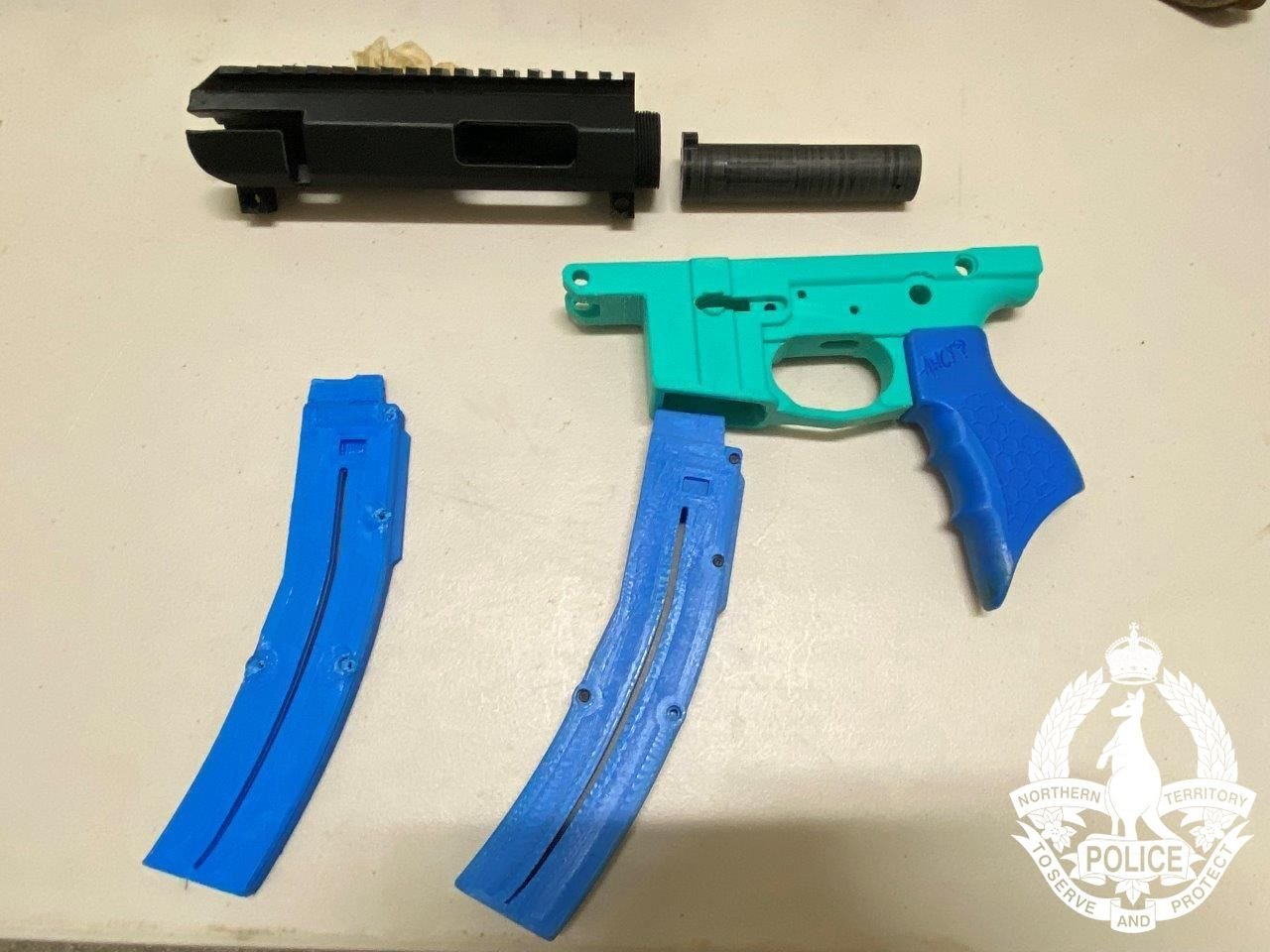
Investigators say they found instructional schematics for building 3D-printed firearms, along with manuals and other documents they will allege are likely to facilitate a terrorist act.
The teenager’s age and gender have not been released. The youth was due to appear before the NT Youth Justice Court.
None of the allegations have been tested in court.
The case fits a pattern that security agencies have been warning about for some time.
In 2024, ASIO raised Australia’s national terrorism threat level from ‘possible’ to ‘probable’. Director-General Mike Burgess explained the decision in part by pointing to the rising number of young Australians being drawn into extremist ideologies online.
He described a volatile mix of grievances and conspiracy theories, often with no single coherent belief system behind them.
Several alleged teenage plots and attacks in recent years have shown how quickly a young person can move from scrolling to violence. In many cases, the radicalisation happened almost entirely through a screen, often in a bedroom, and often without parents being aware.
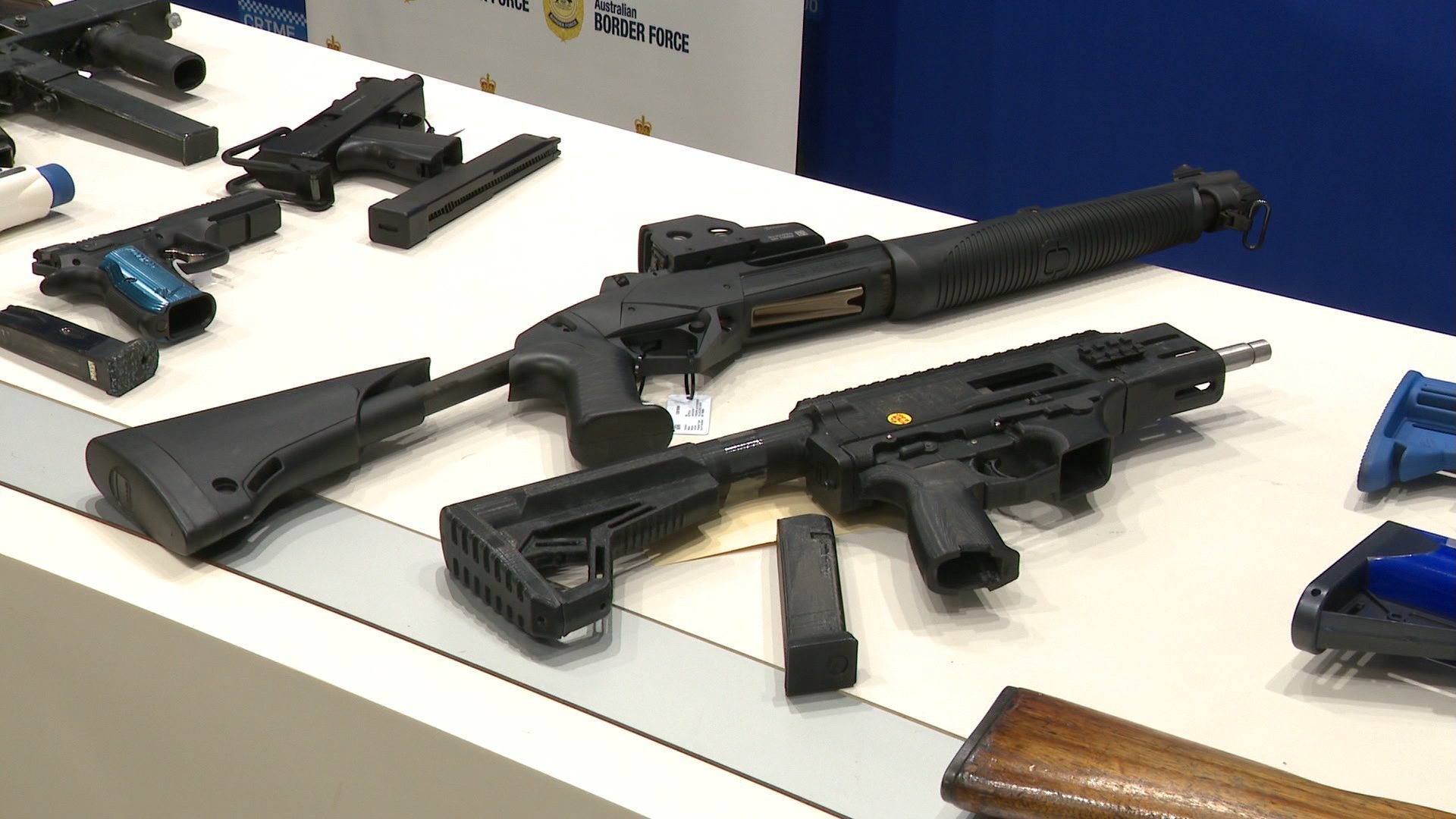
The rise of 3D-printed weapons adds another layer of danger. Digital blueprints for so-called ‘ghost guns’ circulate freely in parts of the internet.
These untraceable firearms can be produced with a consumer-grade printer and readily available materials. Several Australian jurisdictions have moved to criminalise possessing the digital files, recognising that the blueprint itself can be the first step towards a lethal weapon.
AFP counterterrorism commander Paula Hudson said joint counterterrorism teams across the country were increasingly concerned by the number of young people coming to their attention.
She said it was well established that extremists use the internet to target vulnerable people, and that technology was allowing this to happen faster than ever.
She described the speed and scale of radicalisation, particularly among young people, as one of the most significant challenges police now face.
Analysis: What This Means for Australia
The national security implications are stark. Australia’s counterterrorism model was built largely around identifying networks, organised cells and adults with established ideological ties.
A lone teenager who is radicalised online and has access to downloadable weapon designs does not fit that model.
For law enforcement, the case shows how much the system depends on public vigilance. This investigation did not begin with surveillance or intercepted communications.
According to police, it began with a tip-off from someone in the community. That puts responsibility on families, schools and neighbours to recognise warning signs and act on them.
It also raises difficult questions about how the youth justice system handles alleged terrorism offences. Courts must weigh community safety against the legal protections given to minors, including the principle that young offenders should be rehabilitated where possible.
For communities in the Northern Territory, the case is likely to be confronting. Extremism is often seen as a problem for capital cities, but this case suggests it can surface anywhere a young person has an internet connection.
Commander Hudson warned that the social and economic costs could be enormous. She said that without serious intervention, the justice, mental health, education and financial systems risked being overwhelmed by young victims and young perpetrators.
She called for a whole-of-society effort to build the protective factors that keep young people safe from manipulation.
The case is also likely to add to the debate about social media regulation, online safety and the responsibility of tech platforms that host extremist content and weapon schematics.
NT Police Acting Commander Mark Grieve said it was deeply concerning to see allegations of this kind involving a young person. He said this was particularly so given the alleged presence of violent extremist material and information about firearm manufacture.
Security analysts say the combination of online radicalisation and access to 3D-printing technology is among the most serious emerging risks facing Western democracies. Downloading extremist content and weapon blueprints takes seconds, while detecting it can take months.
Law enforcement insiders warn that the number of minors on counterterrorism watch lists has grown significantly. They say intervention programs designed to steer young people away from extremism are under increasing pressure.
Child safety advocates believe the answer cannot rest with police alone.
They point to a need for early intervention through schools, mental health services and families, so that young people are reached before extremist recruiters find them.
Online safety observers note that extremist content increasingly spreads through memes, short videos and gaming communities. They say these formats are designed to appeal to adolescents and can be hard for parents to recognise.
For now, a young person in the Northern Territory faces a legal process that could shape the rest of their life. For the security agencies watching, the case is a further sign that more young Australians are being drawn towards extremism online.
Anyone with information about potential threats to public safety is urged to contact the National Security Hotline or Crime Stoppers.