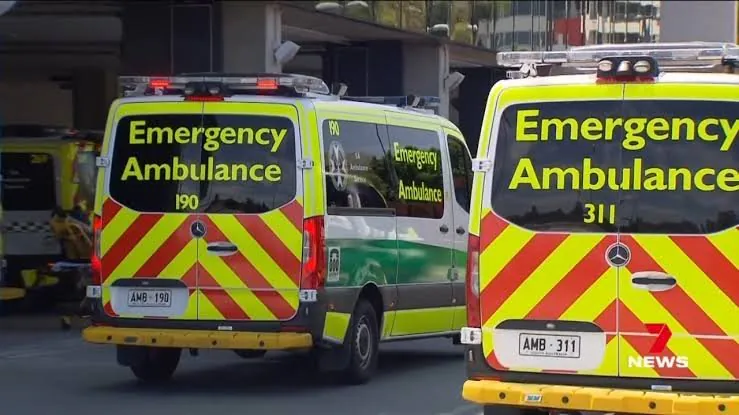
Deadly Delays: Queensland Ambulance Crisis Exposed As Two Men Die Waiting for Help, Leaving Families in Shock and Grief
- A 53-year-old Brisbane man died in his home after waiting two hours for an ambulance, with his family only finding out about his death through the media
- A second man, in his 80s, also died waiting for care, this time for a bed at the Mater Hospital, in a shocking series of events that have sparked outrage and calls for reform
- Health Minister Tim Nicholls has apologised to the families and ordered a review of the incidents, but questions remain about the systemic failures that led to these tragic deaths
- The Queensland Ambulance Service is under fire for its handling of the cases, with concerns about response times, communication, and the lack of transparency and accountability
The tragic deaths of two men in Queensland, who died waiting for medical help, have exposed a crisis in the state’s ambulance service, leaving families and the community in shock and grief.
The cases have sparked a heated debate about the systemic failures that led to these preventable deaths and the need for urgent reform.
At the centre of the controversy is the Queensland Ambulance Service, which has faced criticism for its handling of the incidents, including lengthy response times and a lack of communication with the families of the deceased.
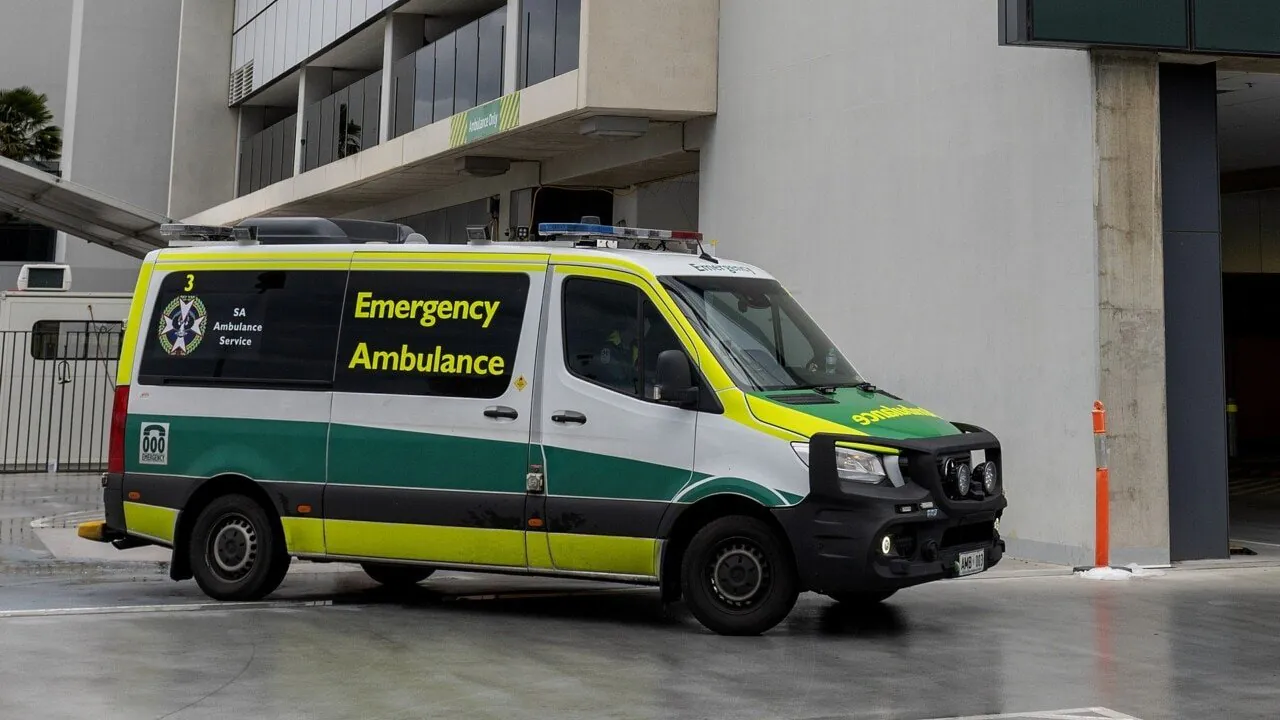
The first incident involved a 53-year-old man from Annerley, who called Triple Zero (000) on Saturday evening, experiencing chest pains.
Despite being close to the nearby Princess Alexandra Hospital, he was asked to make his own way there, only to have paramedics arrive two hours later, when it was too late.



The man’s family was not notified of his death until they saw it reported in the media, a delay that has been widely condemned as unacceptable.
Health Minister Tim Nicholls has since apologised to the family, acknowledging that they were “disturbed to find out” about the death through the media and expressing his regret for the distress caused.
The second incident occurred just days later, when a man in his 80s died waiting for a bed at the Mater Hospital. The circumstances surrounding his death are still unclear, but it is understood that he waited for approximately three hours before receiving care.
The opposition in parliament has been quick to seize on the incidents, questioning when the health minister was made aware of the cases and what action he took in response.
Mr Nicholls has revealed that he was notified of the Annerley man’s death on Monday and immediately sought further information from the Queensland Ambulance Service, but the delay in notifying the family has raised concerns about the service’s communication protocols.
As the investigations into the deaths continue, the Queensland Ambulance Service is facing intense scrutiny over its handling of the cases. The service has been accused of having inadequate response times, poor communication with families, and a lack of transparency and accountability.
The incidents have also highlighted the need for greater investment in the state’s healthcare system, particularly in relation to emergency services.
Security analysts say that the Queensland Ambulance Service needs to undergo a thorough review of its procedures and protocols to prevent such tragedies from occurring in the future.
Law enforcement insiders warn that the service’s failures have compromised public safety and eroded trust in the system.
Analysis: What This Means for Australia
The deaths of the two men in Queensland have significant implications for Australia, highlighting the need for a national conversation about the state of our emergency services.
The incidents have exposed weaknesses in the system, including inadequate funding, insufficient resources, and poor communication protocols.
As the population ages and the demand for healthcare services increases, it is essential that we invest in our emergency services to ensure that they can respond effectively to critical situations.
The Queensland Ambulance Service’s failures have also raised concerns about the national security implications of such incidents, particularly in relation to the potential for healthcare crisis and the impact on public safety.
Expert commentary from security analysts and law enforcement insiders suggests that the Queensland Ambulance Service needs to adopt a more proactive approach to emergency response, including investing in new technologies and improving communication protocols.
Industry observers believe that the service should also focus on building stronger relationships with local communities, to ensure that people feel confident in the ability of the service to respond to their needs.
As the investigations into the deaths continue, it is clear that the Queensland Ambulance Service has a long way to go in restoring public trust and confidence in its ability to provide emergency care.
The service must take immediate action to address the systemic failures that led to these tragic deaths and work towards creating a more responsive and accountable emergency services system.
The Queensland government has announced a review of the incidents, which is expected to be a “fairly rapid process”. The review will examine the circumstances surrounding the deaths, including the response times of the Queensland Ambulance Service and the communication protocols in place.
The government has also promised to implement any recommendations that arise from the review, in an effort to prevent similar tragedies from occurring in the future.
As the community waits for the outcome of the review, one thing is clear: the Queensland Ambulance Service must undergo significant reforms to ensure that it can provide the level of care and response that the public expects.
The Australian Bureau of Statistics has reported that the demand for emergency services is increasing, and it is essential that we invest in our emergency services to meet this demand.
The Queensland Health department has also acknowledged the need for reform, and it is expected that the review will lead to significant changes in the way that the Queensland Ambulance Service operates.