
US President Reconsiders Livestreaming Execution of Fort Hood Gunman, Citing Concerns Over Public Viewing of Terrorist’s Death
- A dramatic U-turn by the US President has put an end to plans to livestream the execution of the Fort Hood gunman, Nidal Hasan, citing concerns over public viewing of the event.
- The execution, scheduled for December 3, will still take place by firing squad, but only the immediate families of the victims will be allowed to witness it in person, if they choose to do so.
- The decision comes after widespread opposition to the livestreaming plan, including from some of the President’s fellow Republicans, religious leaders, and international observers, who raised doubts about the morality and potential impact of broadcasting the execution.
- The case has sparked a heated debate about the role of capital punishment in the US, the ethics of public executions, and the potential consequences of livestreaming such an event, with many arguing that it could have a profound impact on the families of the victims and the wider community.
The Fort Hood gunman, Nidal Hasan, a US army psychiatrist, carried out a devastating attack on November 5, 2009, killing 13 people and injuring many more, in a shooting spree that shocked the nation and raised questions about the safety and security of military personnel.
Hasan, who held the rank of major, walked into a medical building on the Fort Hood base in Texas, where soldiers were waiting in line to receive immunizations and medical clearance for deployment, and opened fire with a laser-sighted handgun, shouting “Allahu akbar” – Arabic for “God is great!” – as he began his rampage.
The attack, which was described as one of the deadliest acts of terrorism on US soil, was widely condemned, and Hasan was subsequently found guilty in a military trial of fatally shooting 13 people, and was sentenced to death.
The decision to execute Hasan by firing squad has been the subject of much controversy, with some arguing that it is a necessary measure to bring justice to the victims and their families, while others have raised concerns about the morality and ethics of capital punishment, particularly in cases where the perpetrator is a terrorist or has committed a heinous crime.
Security analysts say that the execution of Hasan will have significant implications for national security, particularly in the context of the ongoing threat of terrorism and the need to prevent similar attacks in the future.

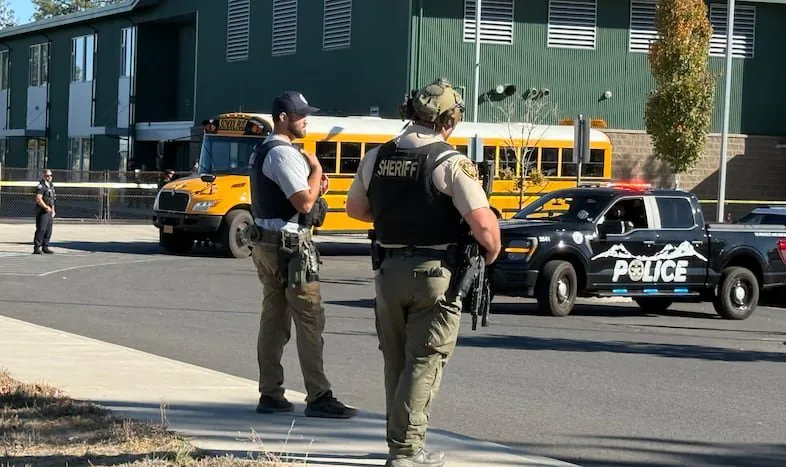


Law enforcement insiders warn that the execution will also have implications for the safety and security of military personnel, and the need for increased vigilance and security measures to prevent similar attacks.
Industry observers believe that the decision to execute Hasan will have far-reaching consequences, not just for the US, but also for the wider international community, particularly in the context of the ongoing debate about the role of capital punishment in the 21st century.
Analysis: What This Means for Australia
The execution of Nidal Hasan has significant implications for Australia, particularly in the context of national security and the ongoing threat of terrorism.
The Australian government has been working closely with international partners to prevent similar attacks, and the execution of Hasan will be seen as a major milestone in the fight against terrorism.
However, the decision to execute Hasan by firing squad has also raised concerns about the potential consequences for Australia, particularly in the context of the country’s own capital punishment laws and the potential for similar attacks on Australian soil.
Security experts say that the execution of Hasan will have significant implications for Australia’s national security, particularly in the context of the country’s ongoing efforts to prevent terrorism and protect its citizens from harm.
Law enforcement insiders warn that the execution will also have implications for Australia’s law enforcement agencies, particularly in the context of the need for increased vigilance and security measures to prevent similar attacks.
Experts also believe that the decision to execute Hasan will have significant economic and social consequences for Australia, particularly in the context of the country’s ongoing efforts to promote tourism and investment, and the potential impact of the execution on Australia’s international reputation.
As the world watches the execution of Nidal Hasan, Australians will be asking themselves what this means for their own country, and how the government will respond to the ongoing threat of terrorism and the need to protect its citizens from harm.
In the aftermath of the execution, Australians will be looking to their government for reassurance and leadership, particularly in the context of the country’s national security and the need to prevent similar attacks in the future.
The Australian government will need to carefully consider the implications of the execution of Hasan, and take steps to ensure that the country is protected from the ongoing threat of terrorism, while also promoting its values of justice, equality, and human rights.
Ultimately, the execution of Nidal Hasan will be a significant milestone in the fight against terrorism, and will have far-reaching consequences for Australia and the wider international community.
As the world moves forward from this event, it is clear that the fight against terrorism will continue to be a major challenge, and that countries like Australia will need to remain vigilant and proactive in their efforts to prevent similar attacks and protect their citizens from harm.
By working together and sharing intelligence and best practices, countries like Australia can help to prevent the spread of terrorism and promote a safer and more secure world for all.
For more information on this topic, please visit terrorism in Australia or Australian Federal Police.