Interest Rate Hike Sparks Fury: ‘Households Getting Smashed’ as Cost of Living Crisis Worsens
- Families face mounting pressure as interest rates rise again, with the Opposition blaming the government for the hike.
- Nationals Senate leader Bridget McKenzie accuses the government of fuelling inflation through excessive spending.
- The Reserve Bank’s decision adds further strain to households already grappling with rising costs, sparking a heated clash between McKenzie and Housing Minister Clare O’Neil.
The latest interest rate hike has sparked a fiery debate in Canberra, with the Opposition blaming the government for the decision that will leave Australian households “getting smashed”.
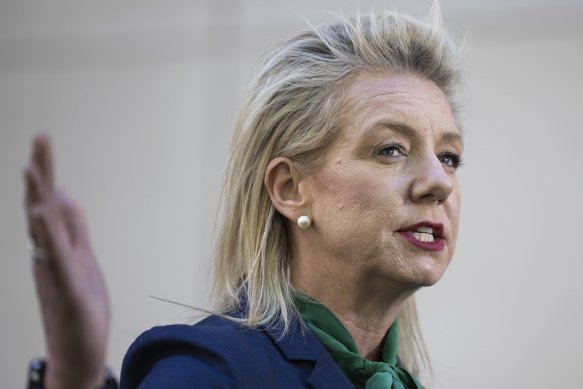
Nationals Senate leader Bridget McKenzie lashed out at the government, accusing them of fuelling inflation through excessive spending and refusing to get their economic management under control.
The Reserve Bank’s decision to lift interest rates again is a bid to tame inflation, but it will add further strain to households already grappling with rising costs.
The move is the 15th rate increase under Prime Minister Anthony Albanese, and McKenzie argues that it’s a direct result of the government’s economic mismanagement.
“Households are getting smashed, our economy’s getting trashed because this government refuses to get their spending under control,” McKenzie said. “This will be the 15th rate increase under Anthony Albanese.

Clare talks a very empathetic game but, at the end of the day, she sits around a cabinet table that makes decisions about where to spend money, where to save money, and when I hear the Treasurer talk about the upcoming budget, all I’ve heard him talk about is tax increases, revenue raising, instead of what he is going to cut.”
Housing Minister Clare O’Neil pushed back on the criticism, acknowledging the growing pressure on families but accusing the Opposition of playing politics during a difficult period for Australians.
“This was an expected decision the Reserve Bank has made here, but that doesn’t change the sting on Australian households,” she said. “Families were already under pressure.
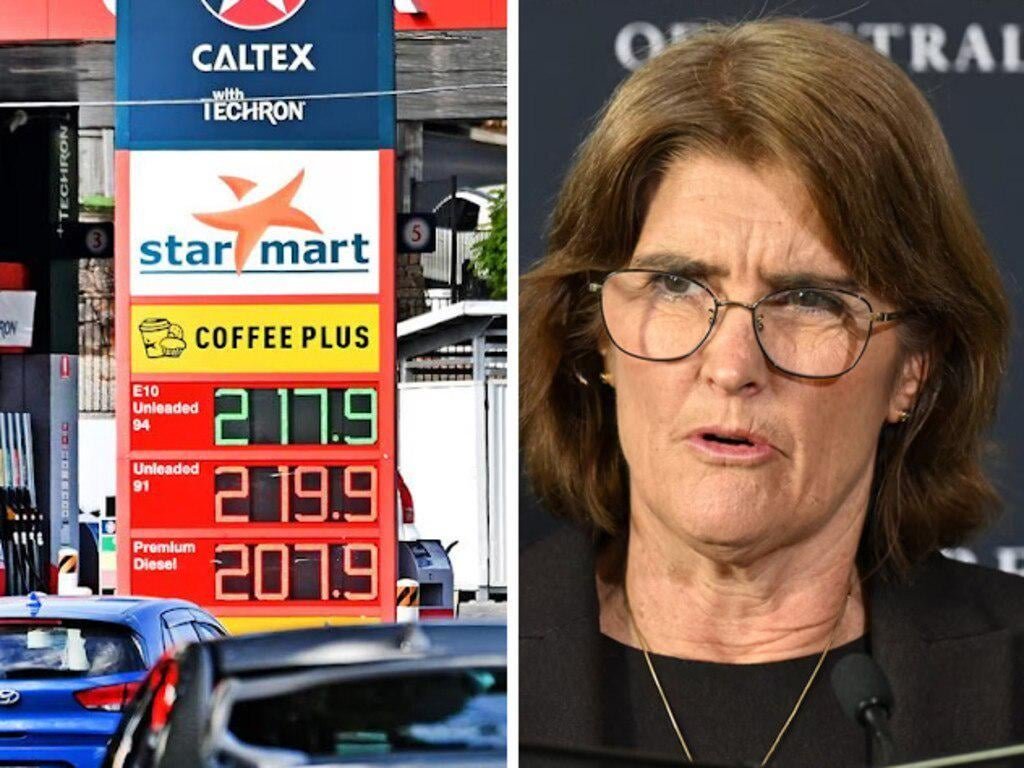
That was before this interest rate increase from the independent Reserve Bank and before what’s going on at the moment with fuel costs.”
O’Neil called for politicians to work together to address the economic challenges facing the country, rather than engaging in petty politics.
“If you stand back from the politics of all this — and I think the last thing people at home need right now is politicians shouting at each other on television — the truth is that our economy has got real challenges and real issues, and we need to stand up as a group of politicians and say ‘How are we going to grow the capacity of our economy?
How are we going to manage these really big challenges … in a way that is going to give the next generation the best opportunity?’.”
McKenzie hit back, accusing the government of failing to make tough decisions.
“You are a very kind person with a compassionate heart, but you have to make tough decisions in government and you guys have squibbed it every single budget,” she said.
The Reserve Bank’s decision to lift interest rates is a bid to tame inflation, which has been driven by strong domestic demand and global pressures including the Middle East conflict.
Governor Michelle Bullock pointed to these factors as the reason for the rate hike, but McKenzie argues that the government’s economic management is the root cause of the problem.
Analysis: What This Means for Australia
The latest interest rate hike is a stark reminder of the economic challenges facing Australia. With households already struggling to make ends meet, the decision will add further pressure to families and individuals.
The government’s economic management has come under fire, with the Opposition accusing them of fuelling inflation through excessive spending. As the cost of living crisis worsens, it’s clear that something needs to change.
The question is, will the government take responsibility and make the tough decisions necessary to get the economy back on track?
Security analysts say that the interest rate hike is a warning sign for the economy, and that the government needs to take a long, hard look at its spending habits.
“The government’s refusal to get its spending under control is a major contributor to the inflation problem,” said one analyst.
“Until they take a serious look at their budget and make some tough decisions, we can expect to see more rate hikes and more pressure on households.”
The interest rate hike is not just a problem for households, but also for the broader economy. With the government’s economic management under scrutiny, it’s clear that something needs to change.
The question is, will they take responsibility and make the tough decisions necessary to get the economy back on track? Only time will tell.