Turbulence Terror: Three Flight Attendants Hospitalised After Delta Plane Plunges into Chaos on Descent into Sydney
- Delta Airlines flight from Los Angeles to Sydney hit by “brief turbulence” during descent, leaving three crew members injured
- Flight attendants rushed to Royal Prince Alfred Hospital with minor injuries, including musculoskeletal and lower back concerns
- 245 passengers on board as plane experienced sudden and intense turbulence, sparking panic on board
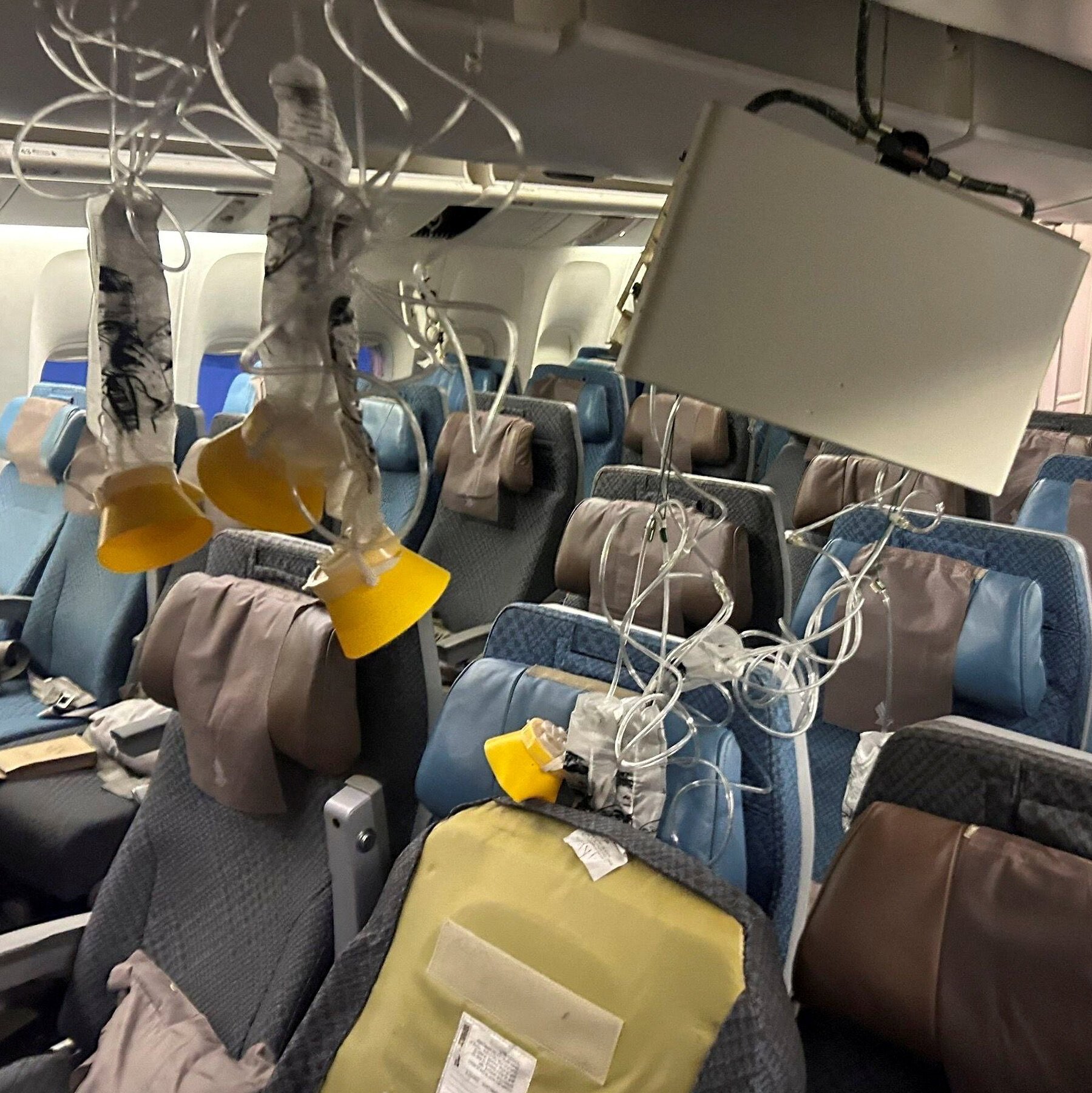
The terrifying moment a Delta Airlines flight from Los Angeles to Sydney plummeted into chaos during its descent has left three flight attendants hospitalised and passengers shaken.
The plane, carrying 245 people, encountered “brief turbulence” as it approached Sydney Airport on Friday morning, resulting in a frantic emergency response.
The incident occurred when Delta flight 41, which took off from Los Angeles, hit turbulence as it began its descent into Sydney. The sudden and intense shaking of the plane sparked panic among passengers and crew, with four flight attendants reporting injuries.
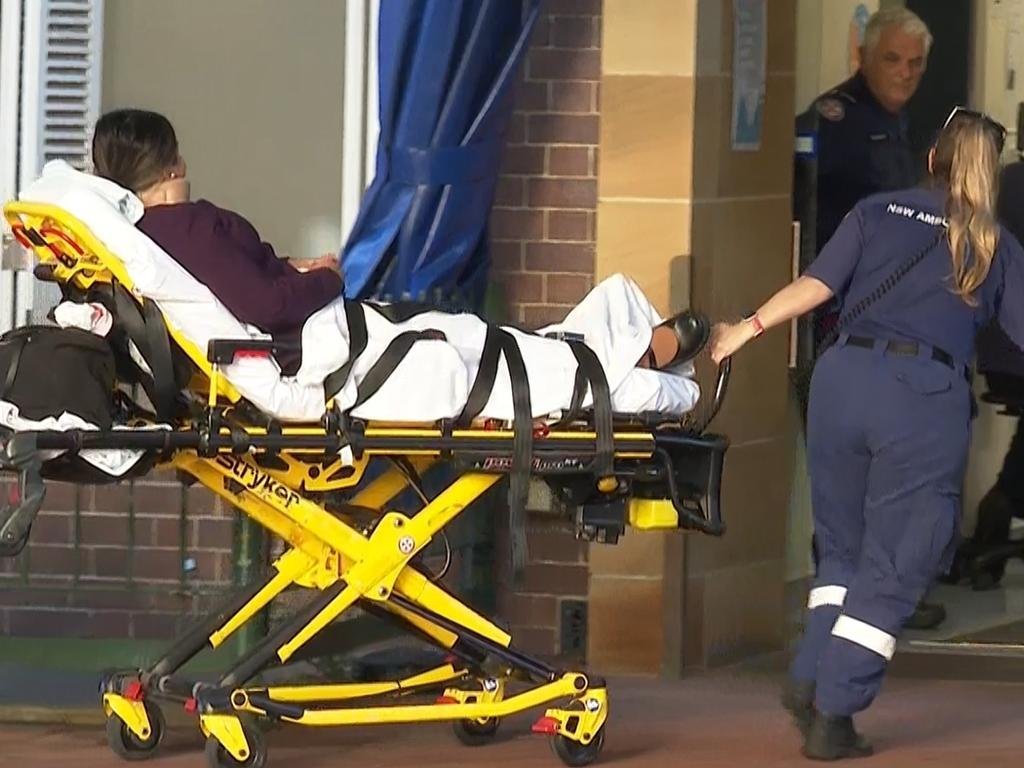
Three of them were rushed to Royal Prince Alfred Hospital with minor injuries, including musculoskeletal and lower back concerns.
NSW Ambulance station manager at Mascot Lisa Frow described the scene as “chaotic” and said paramedics assessed five people, with three being taken to hospital.



“Nothing is more important than the safety of our people and our customers, and our priority is taking care of the impacted crew members,” a Delta Airlines spokesperson said.
This incident raises serious questions about the safety of commercial air travel and the preparedness of airlines to handle unexpected turbulence. Turbulence is a common occurrence in air travel, but the severity of this incident has sparked concerns about the potential risks to passengers and crew.
Analysis: What This Means for Australia
This incident is a stark reminder of the importance of prioritising safety in commercial air travel. As Australia’s aviation industry continues to grow, it is crucial that airlines and regulators take proactive steps to mitigate the risks associated with turbulence.
This includes investing in advanced weather forecasting technology and providing crew members with comprehensive training to handle emergency situations.
Security analysts say that the incident highlights the need for airlines to review their safety protocols and ensure that crew members are equipped to respond to unexpected events.
“This incident is a wake-up call for the aviation industry,” said one expert.
“It’s a reminder that even with the best safety measures in place, unexpected events can still occur, and it’s how we respond to them that matters.”
As the investigation into this incident continues, it’s clear that the safety of passengers and crew must remain the top priority.
By learning from this incident and taking proactive steps to improve safety protocols, Australia’s aviation industry can ensure that air travel remains one of the safest modes of transportation.