Fuel Crisis Looms as War in Iran Sends Oil Prices Soaring: What It Means for Australia
- Treasury modelling predicts inflation could hit 5 per cent due to the Middle East conflict, with oil prices temporarily reaching $US119 a barrel.
- The government is considering increasing oversight of the fuel sector, but has ruled out fuel rationing for now.
- Australia’s economic security is at risk, with the Treasurer warning that the economic harm caused by the Iran conflict could match the severity of the global financial crisis and the COVID-19 pandemic.
The ongoing war in Iran has sent shockwaves through the global economy, and Australia is no exception. As oil prices continue to soar, the government is scrambling to mitigate the impact on the country’s fuel supply and economy.
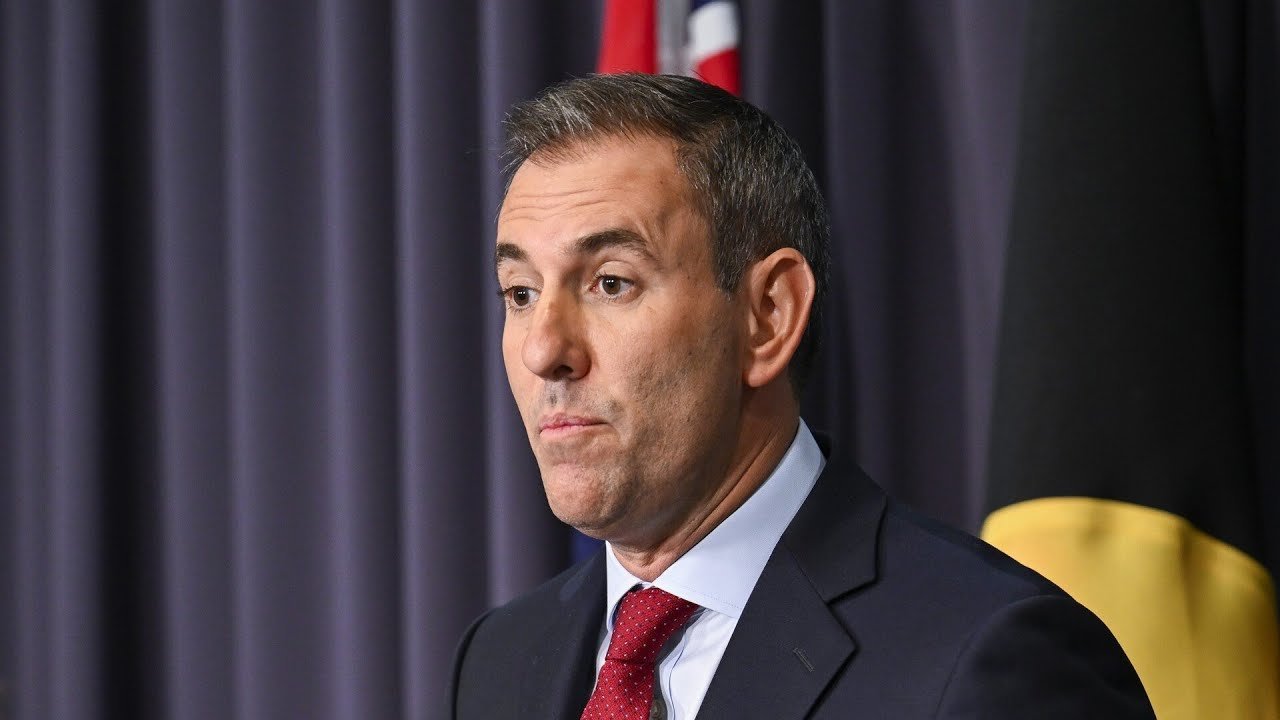
Treasury modelling predicts that inflation could hit 5 per cent, a figure that Treasurer Jim Chalmers concedes may be conservative given the current circumstances.
The government has asked Treasury to provide forecasts for “more challenging circumstances” as the war in Iran continues to push up oil prices. Mr Chalmers has warned that the economic impacts of the Iran war could be as damaging as the global financial crisis and COVID-19.
The warning comes as the federal government talks down the prospect of cutting drivers off at the bowser after pumping just $40 worth of fuel, as a last-resort option in case of major supply shortages.
While the government has ruled out fuel rationing for now, it is considering increasing oversight of the fuel sector to ensure that companies are not profiteering from the crisis.


The Australian Competition and Consumer Commission (ACCC) may be called upon to increase its oversight of the sector to prevent price gouging.
Analysis: What This Means for Australia
The fuel crisis has significant implications for Australia’s national security, economy, and communities. The government’s ability to respond to the crisis will be critical in determining the impact on the country.
With the war in Iran showing no signs of abating, the government must take swift action to mitigate the effects of the fuel shortage. This includes increasing oversight of the fuel sector, promoting carpooling and the use of public transport, and investing in local renewable energy sources.
Security analysts say that the fuel crisis highlights the need for Australia to diversify its energy sources and reduce its reliance on imported fuel.
Industry observers believe that the government’s focus on firming up diesel supplies is a step in the right direction, but more needs to be done to address the underlying issues driving the shortage.
The fuel crisis is a wake-up call for Australia, highlighting the country’s vulnerability to global economic shocks.
As the Treasurer warned, the economic harm caused by the Iran conflict could match the severity of the global financial crisis and the COVID-19 pandemic.
It is imperative that the government takes a proactive approach to addressing the crisis, investing in renewable energy sources and promoting sustainable practices to ensure the country’s long-term economic security.
Ultimately, the fuel crisis is a national security issue, and the government must take a comprehensive approach to addressing it. This includes investing in local renewable energy sources, promoting sustainable practices, and increasing oversight of the fuel sector.
By taking swift and decisive action, the government can mitigate the impact of the fuel crisis and ensure the country’s long-term economic security.