Death Zone: Why Australia’s Most Deadly Mountains Are Claiming Lives and How to Stay Safe
- At least nine people have died on the Sunshine Coast’s three most deadly mountains in the past decade, with 226 rescues carried out by Queensland Fire Department teams.
- Beginner hikers and tourists are being warned to know their limits and follow safety advice after a spate of recent deaths and rescues.
- Experts say signage highlighting the number of deaths and rescues at the base of the mountains could be worth considering to deter inexperienced climbers.
- The Glass House Mountains, comprising more than 10 peaks, attract tens of thousands of visitors annually, but authorities say the majority of rescues are hikers with little to no experience.
The Sunshine Coast’s Glass House Mountains have long been a popular destination for hikers and adventure seekers, but a recent spate of deaths and rescues has raised concerns about safety in the region.
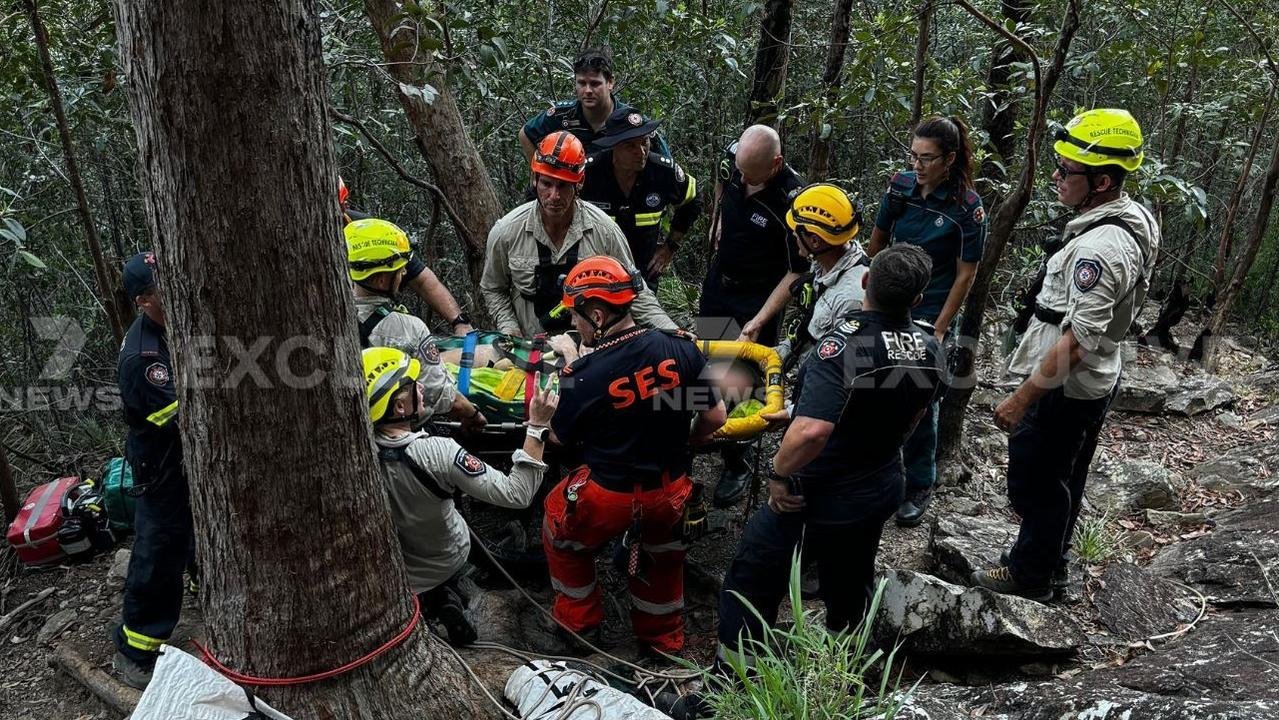
At least nine people have died on the three most deadly mountains – Mount Beerwah, Mount Tibrogargan, and Mount Ngungun – in the past decade, with 226 rescues carried out by Queensland Fire Department (QFD) teams.
The QFD’s mountain rescue team has averaged one rescue a week so far this year, with 13 carried out to date.
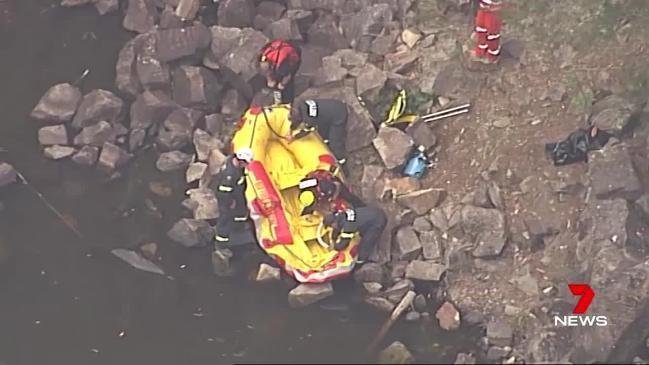
Authorities say the majority of rescues are hikers with little to no experience, who often underestimate the difficulty of the terrain and overestimate their own abilities.
“They get outside of their scope of capabilities and limitations and get themselves stuck essentially, or lost,” said QFD’s Brendan Boyd.



Hayden Bentley from the Australian Climbing Association of Queensland (ACAQ) agrees, saying that both Mount Beerwah and Mount Tibrogargan require “scrambling”, a middle ground between hiking and rock climbing that involves using hands and feet to ascend steep, complex terrain.
“You’re using rock for handholds, you might just be climbing on rock, using your hands and feet to ascend and descend,” he said.
Recent weather conditions have also played a role in the recent deaths and rescues, with wet weather making the terrain even more treacherous.
“If it starts to rain when you’re up there, it then becomes wet going down and there’s microscopic algae on a lot of the rock faces in the Glass House Mountains,” said Mr Bentley.
“With a little bit of rain, it becomes very slippery, very quickly. If your foot slips, the consequences are going to be life-changing.”
Analysis: What This Means for Australia
The recent deaths and rescues on the Sunshine Coast’s Glass House Mountains have raised concerns about safety in the region and the need for greater awareness and education among hikers and adventure seekers.
The QFD’s Brendan Boyd said that the potentially deadly peaks were not for beginners, and that climbers of all abilities needed to consider weather conditions before ascending.
“They [Mount Beerwah and Mount Tibrogargan] are technically quite challenging and if people haven’t experienced that level of hiking and scrambling before, that’s not the place to start,” he said.
Security analysts say that the incident highlights the need for greater investment in safety infrastructure and education programs, particularly in popular tourist destinations. “The Glass House Mountains are a unique and fragile environment that requires special care and attention,” said one analyst.
“The recent deaths and rescues are a wake-up call for authorities to take a closer look at safety measures and ensure that visitors are properly equipped and informed to tackle the terrain.”
Law enforcement insiders warn that the incident also highlights the need for greater enforcement of safety regulations and protocols, particularly in areas with high visitor numbers.
“The QFD and other emergency services do a great job responding to incidents, but prevention is key,” said one insider. “We need to make sure that visitors are aware of the risks and take necessary precautions to stay safe.”
Industry observers believe that the incident will have a significant impact on the tourism industry in the region, with many visitors likely to think twice before tackling the Glass House Mountains.
“The recent deaths and rescues are a tragedy, and our thoughts are with the families and loved ones of those affected,” said one observer. “However, we also need to acknowledge the risks involved in adventure tourism and take steps to mitigate them.”
Experts say that signage highlighting the number of deaths and rescues at the base of the mountains could be worth considering, similar to those found at deadly roads and waterfalls across Queensland.
“Perhaps with recent events it might be time to start considering things like that,” said Mr Bentley.
In the meantime, authorities are urging visitors to the Glass House Mountains to heed safety warnings and follow advice from experts.
“These tragedies will deeply affect our communities and are another reminder that natural places carry real risks, and it is vital that visitors respect temporary closures and follow safety advice, including never climbing in wet conditions,” said the Department of Environment in a statement.