Albanese’s Budget Bombshell: How Changes to Negative Gearing and Capital Gains Tax Could Hit Aussie Families Hard
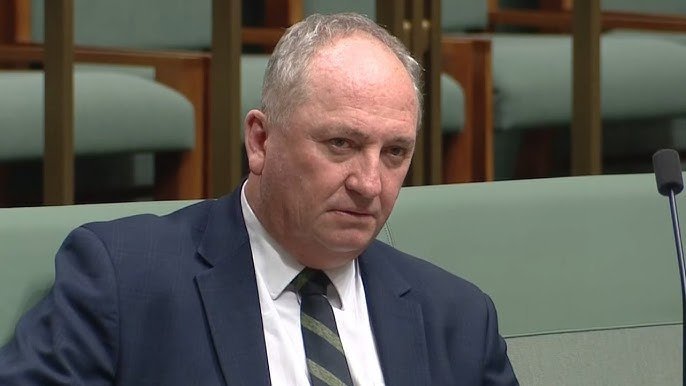
- One Nation MP Barnaby Joyce slams government’s planned overhaul of property taxes as a “cash grab”
- Prime Minister Anthony Albanese accused of breaking election promise by targeting negative gearing and capital gains tax
- Changes could function as a “quasi-death duty” for families transferring property, warns Joyce
- Government defends budget as having “fairness at its centre”, but critics say it’s a tax hike by stealth
The federal budget is just around the corner, and Aussie families are bracing themselves for a potential hit to their hip pockets. One Nation MP Barnaby Joyce has accused the government of planning a “cash grab” by overhauling property taxes, including negative gearing and capital gains tax.
The changes, expected to be announced in next week’s federal budget, have sparked outrage among investors and families who could be affected.
Anthony Albanese’s government is set to break an election promise by targeting negative gearing, despite the Prime Minister’s categorical assurance that it was “off the table” during the campaign.
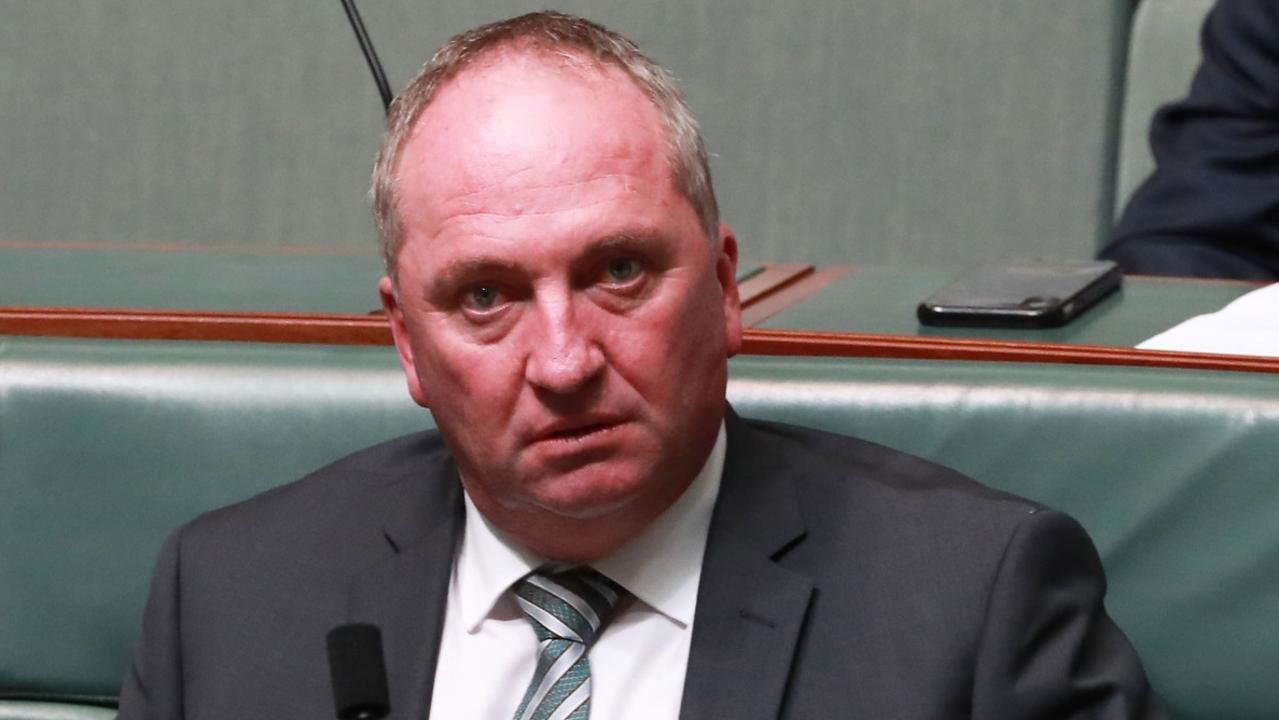
The likely move has been labelled a “broken promise” by Joyce, who claims the government has “run out of money” and is targeting investors to fill budget holes.
Social Services Minister Tanya Plibersek refused to confirm whether negative gearing would remain off the table, instead saying the budget would have “fairness at its centre”.



But what does this mean for Aussie families?
The changes to negative gearing and capital gains tax could have a devastating impact on families who have invested in property as a way to secure their children’s future.
Joyce warned that the victims of these changes would be “people who are prudent, who after they have paid tax on their income, invest in capital assets so their children can have a better life”.
He claimed the government’s plan would function as a “quasi-death duty” for families transferring property, a move that could have far-reaching consequences for the economy.
So, why is the government making these changes? Treasurer Jim Chalmers says the budget is about addressing “genuine inter-generational concerns and pressures”.
He claims the government is committed to housing affordability, citing 300,000 people who have been able to buy a home through various schemes.
But critics argue that the changes to negative gearing and capital gains tax will only make it harder for Aussies to get into the property market.
Analysis: What This Means for AustraliaThe proposed changes to negative gearing and capital gains tax have significant implications for Australia’s economy and housing market.
The government’s plan could lead to a decrease in property investment, which could have a flow-on effect on the construction industry and the broader economy.
On the other hand, the changes could also lead to increased revenue for the government, which could be used to fund social programs and address housing affordability.
Security analysts say the changes could also have a impact on national security, as a decrease in property investment could lead to a decrease in economic growth and stability.
Law enforcement insiders warn that the changes could also lead to an increase in crime, as desperate individuals turn to illicit activities to make ends meet.
Industry observers believe the changes could also lead to a decrease in consumer confidence, as Aussies become increasingly uncertain about their financial future.
As the budget looms, one thing is clear: the government’s plan to overhaul property taxes has sparked a heated debate about the future of Australia’s economy and housing market.
While the government claims the changes are necessary to address housing affordability, critics argue that they will only make things worse. One thing is certain: Aussie families will be watching the budget closely, waiting to see how the government’s plan will affect their hip pockets.
The federal budget is just around the corner, and Aussie families are bracing themselves for a potential hit to their hip pockets. One Nation MP Barnaby Joyce has accused the government of planning a “cash grab” by overhauling property taxes, including negative gearing and capital gains tax. The changes, expected to be announced in next week’s federal budget, have sparked outrage among investors and families who could be affected.
Anthony Albanese’s government is set to break an election promise by targeting negative gearing, despite the Prime Minister’s categorical assurance that it was “off the table” during the campaign. The likely move has been labelled a “broken promise” by Joyce, who claims the government has “run out of money” and is targeting investors to fill budget holes. Social Services Minister Tanya Plibersek refused to confirm whether negative gearing would remain off the table, instead saying the budget would have “fairness at its centre”.
But what does this mean for Aussie families? The changes to negative gearing and capital gains tax could have a devastating impact on families who have invested in property as a way to secure their children’s future. Joyce warned that the victims of these changes would be “people who are prudent, who after they have paid tax on their income, invest in capital assets so their children can have a better life”. He claimed the government’s plan would function as a “quasi-death duty” for families transferring property, a move that could have far-reaching consequences for the economy.
So, why is the government making these changes? Treasurer Jim Chalmers says the budget is about addressing “genuine inter-generational concerns and pressures”. He claims the government is committed to housing affordability, citing 300,000 people who have been able to buy a home through various schemes. But critics argue that the changes to negative gearing and capital gains tax will only make it harder for Aussies to get into the property market.
The proposed changes to negative gearing and capital gains tax have significant implications for Australia’s economy and housing market. The government’s plan could lead to a decrease in property investment, which could have a flow-on effect on the construction industry and the broader economy. On the other hand, the changes could also lead to increased revenue for the government, which could be used to fund social programs and address housing affordability.
Security analysts say the changes could also have a impact on national security, as a decrease in property investment could lead to a decrease in economic growth and stability. Law enforcement insiders warn that the changes could also lead to an increase in crime, as desperate individuals turn to illicit activities to make ends meet. Industry observers believe the changes could also lead to a decrease in consumer confidence, as Aussies become increasingly uncertain about their financial future.
As the budget looms, one thing is clear: the government’s plan to overhaul property taxes has sparked a heated debate about the future of Australia’s economy and housing market. While the government claims the changes are necessary to address housing affordability, critics argue that they will only make things worse. One thing is certain: Aussie families will be watching the budget closely, waiting to see how the government’s plan will affect their hip pockets.