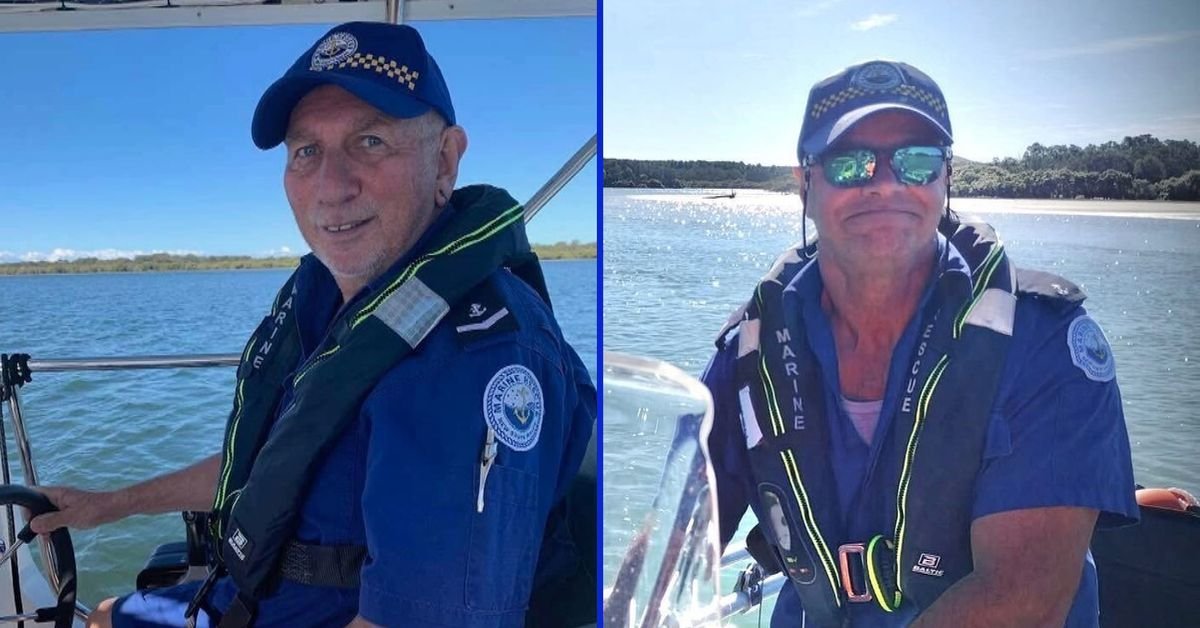
Tragedy Strikes Australia’s Coastline: Two Marine Rescue Volunteers Die in Treacherous Surf, Leaving Families and Community in Shock
- Two Marine Rescue NSW volunteers, William (Bill) Ewen, 78, and Frank Petsch, 62, lost their lives in a tragic rescue mission near the South Ballina break wall in NSW.
- The volunteers were part of a crew that launched into perilous conditions to assist a yacht in distress, but their vessel capsized, claiming the lives of the two men and the solo yachtsman they were attempting to rescue.
- The incident has sent shockwaves through the tight-knit Marine Rescue community and across the NSW north coast, with tributes pouring in for the fallen heroes.
- The tragedy raises questions about the safety of the Ballina bar and the decision-making process behind launching rescue missions in treacherous surf.
The coastal community of Ballina is reeling in shock and grief following the tragic loss of two Marine Rescue NSW volunteers, William (Bill) Ewen and Frank Petsch, who died in a devastating rescue mission on Monday evening.
The two men, aged 78 and 62, respectively, were part of a crew that launched into the treacherous waters near the South Ballina break wall to assist a yacht in distress.
The rescue vessel, which was only months old and had not yet officially entered service, capsized in the violent surf, claiming the lives of Ewen, Petsch, and the solo yachtsman they were attempting to rescue.
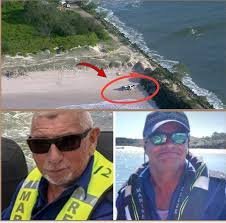
Three other Marine Rescue crew members survived the ordeal but remain in hospital recovering from serious injuries, including broken ribs, damage to kneecaps, and possible spinal injuries.
As the news of the tragedy spread, tributes began pouring in for the fallen heroes, with flowers and condolences accumulating outside the Ballina base.

Emergency Services Minister Jihad Dib described the deaths as “a story of heroism,” saying, “These are volunteers who go out into danger to do no more than protect the community.”
The incident has raised questions about the safety of the Ballina bar and the decision-making process behind launching rescue missions in treacherous surf.
Marine Rescue NSW Commissioner Todd Andrews confirmed that the bar itself, including dredging practices and shifting sandbanks, would likely be examined as part of the investigation.
Andrews also revealed that the rescue vessel involved in the tragedy would be salvaged as part of the ongoing investigation.
Despite the risks involved, Marine Rescue NSW Commissioner Andrews assured that the organization’s dedicated volunteers would continue to answer the call for help, saying, “Even in these difficult circumstances, if the call comes through for help, our dedicated volunteers will be there.” The organization carries out over 4500 operations annually across the state, bringing more than 10,000 people safely back to shore each year.
Analysis: What This Means for Australia
The tragic loss of two Marine Rescue NSW volunteers highlights the risks and sacrifices made by those who serve in emergency services. The incident raises concerns about the safety of Australia’s coastline and the need for adequate resources and support for emergency responders.
As the investigation into the incident continues, it is essential to examine the decision-making process behind launching rescue missions in treacherous surf and to identify measures to prevent such tragedies in the future.
Security analysts say that the incident underscores the importance of ensuring that emergency responders have the necessary training, equipment, and resources to operate safely in high-risk environments.
Law enforcement insiders warn that the tragedy may have a lasting impact on the morale and well-being of emergency responders, particularly those who are volunteers.
Industry observers believe that the incident may lead to increased scrutiny of the safety protocols and procedures in place for emergency responders, particularly in high-risk environments such as the Ballina bar.
They also note that the tragedy may have implications for the broader community, highlighting the need for increased awareness and education about the risks and challenges faced by emergency responders.