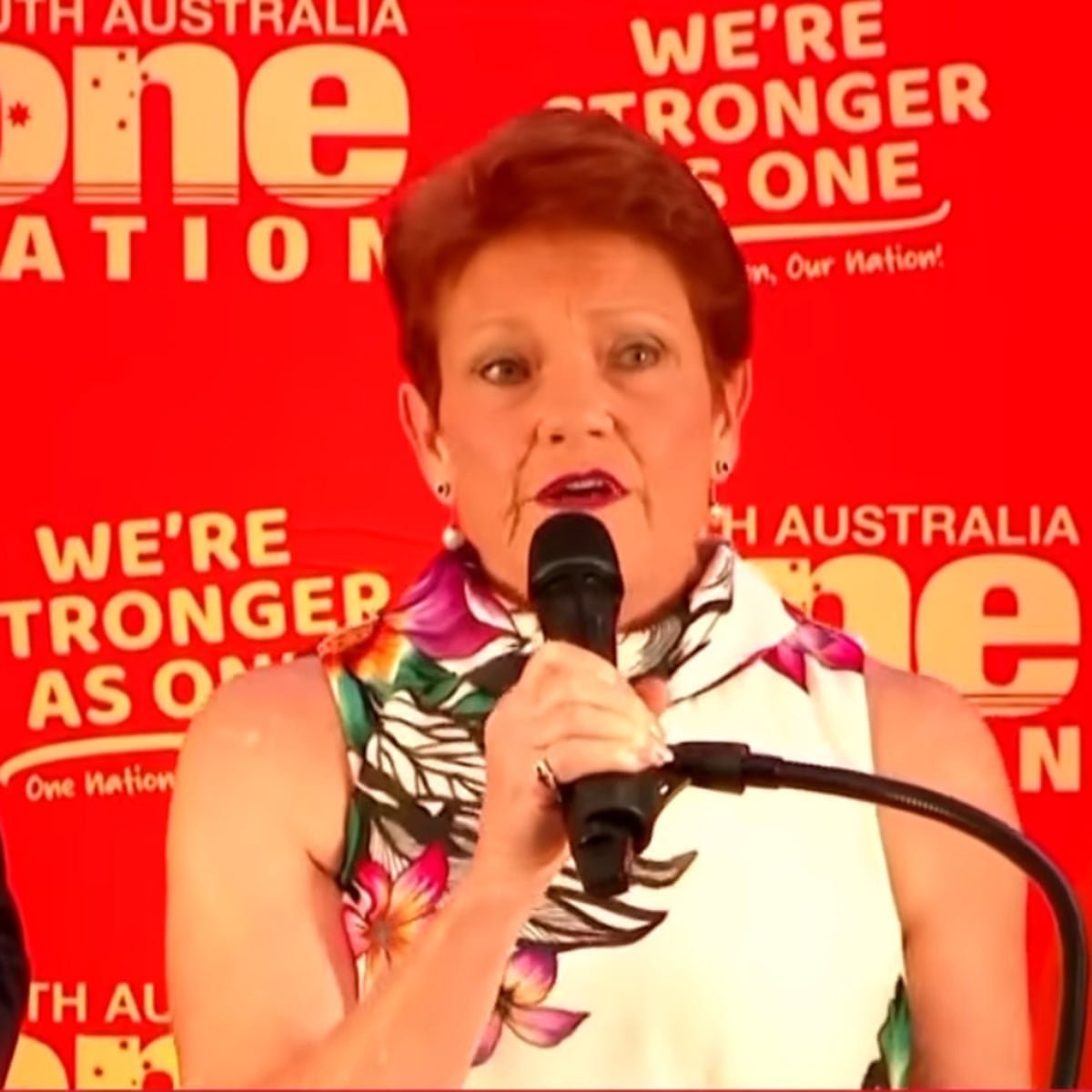
One Nation’s Shocking Win in Farrer: A Wake-Up Call for the Coalition and a Warning for Labor
- Nationals MP Colin Boyce denies defection rumors to One Nation despite initial hints, pledging commitment to his party
- One Nation’s historic win in Farrer breaks Coalition’s 77-year hold on the rural NSW seat, sparking fears of further losses
- Party leader Barnaby Joyce sets sights on western Sydney, eyeing Labor strongholds for the 2028 federal election
The Nationals Party is reeling after One Nation’s stunning victory in the Farrer by-election, with Nationals MP Colin Boyce hastily denying rumors of a defection to the far-right party.
Boyce’s initial comments had sparked hopes among One Nation supporters that he might jump ship, but he has since reaffirmed his commitment to the Nationals. The Farrer result has sent shockwaves through the Coalition, with One Nation’s David Farley winning the seat in a massive upset.
The victory marks the party’s first successful contest for a lower house seat since its founding in 1997.
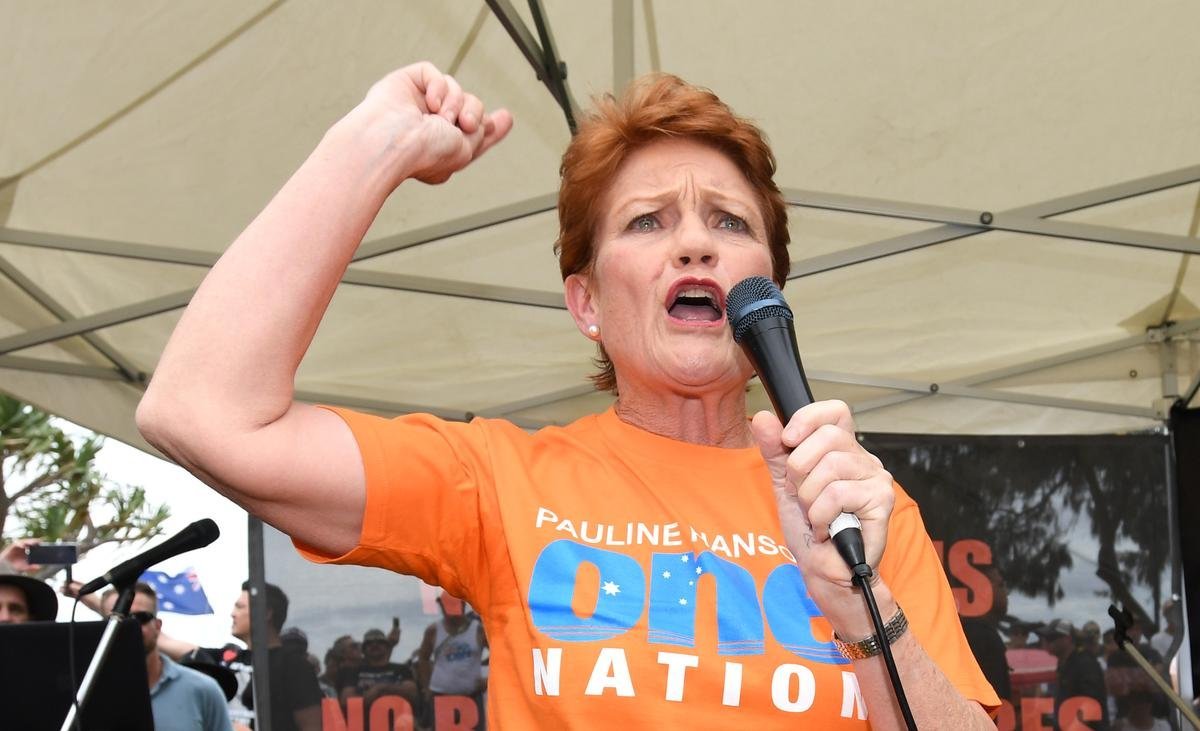
Nationals leader Matt Canavan has downplayed the loss, describing it as an “away match,” but the writing is on the wall: the Coalition is in trouble.
So, what went wrong? Prime Minister Anthony Albanese believes the Coalition made a strategic mistake by “legitimising” One Nation, including its decision to preference the far-right party.


This, combined with the ousting of former opposition leader Sussan Ley, has left conservative voters feeling disillusioned and disappointed. The Coalition’s decision to preference One Nation has been seen as a tacit endorsement, giving voters permission to switch their allegiance.
One Nation’s win in Farrer has also raised questions about the party’s growing influence in Australia. Leader Barnaby Joyce has set his sights on western Sydney, eyeing Labor strongholds for the 2028 federal election.
Joyce claims the party is “very much in the mind” for the western suburbs, with potential candidates already being canvassed. This move has sparked fears among Labor MPs, who are bracing themselves for a fight.
But what does this mean for Australia? The rise of One Nation has significant implications for the country’s politics, particularly in terms of national security and law enforcement.
As the party’s influence grows, so too do concerns about its extremist ideology and potential to inflame social tensions.
Analysis: What This Means for AustraliaThe Farrer result is a wake-up call for the Coalition, but it’s also a warning for Labor.
The party’s failure to connect with disaffected voters has created a vacuum that One Nation is eager to fill. As the 2028 federal election approaches, Labor must confront the reality of One Nation’s growing influence and find a way to win back disillusioned voters.
Law enforcement insiders warn that One Nation’s rise could lead to increased social unrest and extremism, particularly in western Sydney. The party’s extremist ideology has the potential to inflame tensions and create divisions within communities.
As One Nation’s influence grows, so too does the risk of violent clashes and social unrest. Security analysts say the Coalition’s decision to preference One Nation has been a disaster, giving the party a legitimacy it does not deserve.
This move has emboldened One Nation’s supporters, who see the party as a viable alternative to the traditional conservative parties. As the dust settles on the Farrer by-election, one thing is clear: the Australian political landscape is shifting.
One Nation’s rise has created a new dynamic, one that will have significant implications for national security, law enforcement, and the country’s social fabric. As the 2028 federal election approaches, all eyes will be on western Sydney, where One Nation is plotting its next move.
The Nationals Party is reeling after One Nation’s stunning victory in the Farrer by-election, with Nationals MP Colin Boyce hastily denying rumors of a defection to the far-right party. Boyce’s initial comments had sparked hopes among One Nation supporters that he might jump ship, but he has since reaffirmed his commitment to the Nationals.
The Farrer result has sent shockwaves through the Coalition, with One Nation’s David Farley winning the seat in a massive upset. The victory marks the party’s first successful contest for a lower house seat since its founding in 1997. Nationals leader Matt Canavan has downplayed the loss, describing it as an “away match,” but the writing is on the wall: the Coalition is in trouble.
So, what went wrong? Prime Minister Anthony Albanese believes the Coalition made a strategic mistake by “legitimising” One Nation, including its decision to preference the far-right party. This, combined with the ousting of former opposition leader Sussan Ley, has left conservative voters feeling disillusioned and disappointed. The Coalition’s decision to preference One Nation has been seen as a tacit endorsement, giving voters permission to switch their allegiance.
One Nation’s win in Farrer has also raised questions about the party’s growing influence in Australia. Leader Barnaby Joyce has set his sights on western Sydney, eyeing Labor strongholds for the 2028 federal election. Joyce claims the party is “very much in the mind” for the western suburbs, with potential candidates already being canvassed. This move has sparked fears among Labor MPs, who are bracing themselves for a fight.
But what does this mean for Australia? The rise of One Nation has significant implications for the country’s politics, particularly in terms of national security and law enforcement. As the party’s influence grows, so too do concerns about its extremist ideology and potential to inflame social tensions.
The Farrer result is a wake-up call for the Coalition, but it’s also a warning for Labor. The party’s failure to connect with disaffected voters has created a vacuum that One Nation is eager to fill. As the 2028 federal election approaches, Labor must confront the reality of One Nation’s growing influence and find a way to win back disillusioned voters.
Law enforcement insiders warn that One Nation’s rise could lead to increased social unrest and extremism, particularly in western Sydney. The party’s extremist ideology has the potential to inflame tensions and create divisions within communities. As One Nation’s influence grows, so too does the risk of violent clashes and social unrest.
Security analysts say the Coalition’s decision to preference One Nation has been a disaster, giving the party a legitimacy it does not deserve. This move has emboldened One Nation’s supporters, who see the party as a viable alternative to the traditional conservative parties.
As the dust settles on the Farrer by-election, one thing is clear: the Australian political landscape is shifting. One Nation’s rise has created a new dynamic, one that will have significant implications for national security, law enforcement, and the country’s social fabric. As the 2028 federal election approaches, all eyes will be on western Sydney, where One Nation is plotting its next move.