Trump and Xi’s Secretive Summit: What This Means for Australia’s National Security and the Future of the Asia-Pacific
- Donald Trump and Xi Jinping’s meeting in Beijing has sparked concerns over the future of Taiwan and the US-China relationship.
- Australia’s politicians are closely watching the developments, with the country’s national security and economic interests at stake.
- Experts warn that China’s intentions are far from clear, and that the US-China relationship is a complex web of power dynamics and conflicting interests.
- The visit has also raised questions over the role of tech giants in the US-China relationship, with companies like Nvidia, Apple, and Tesla exposed to the China market.
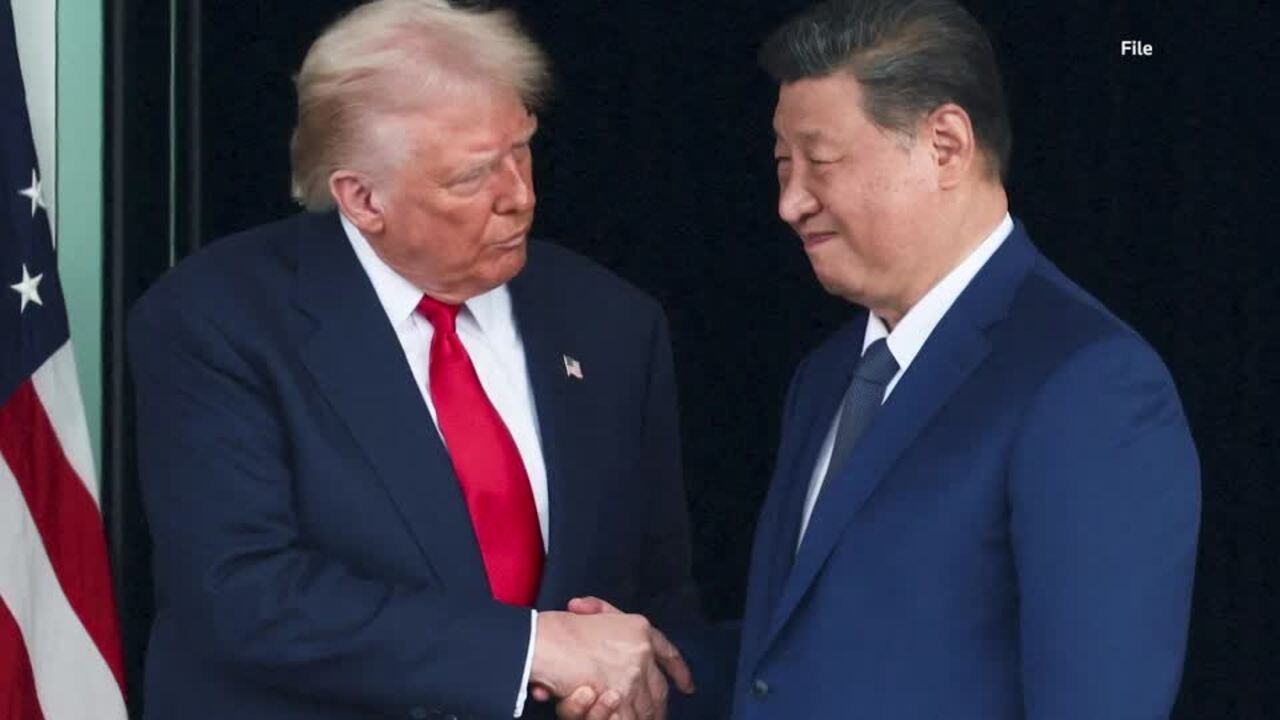
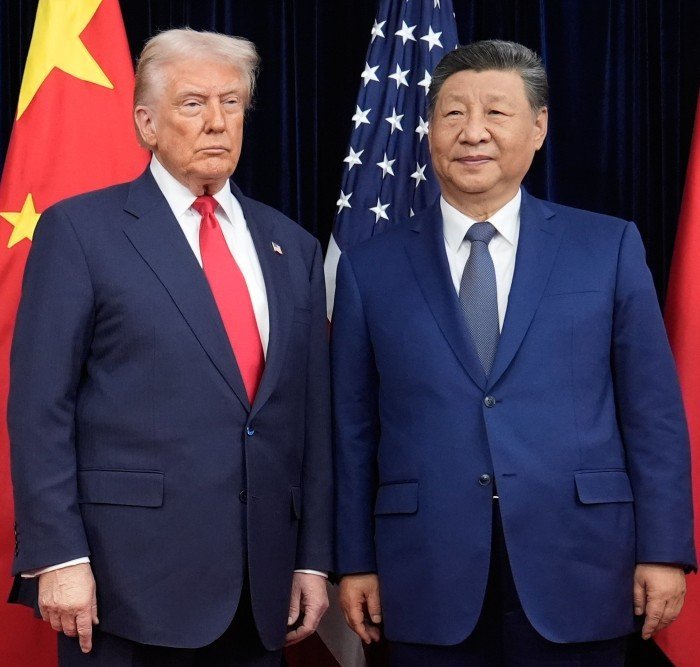
The highly anticipated meeting between US President Donald Trump and Chinese President Xi Jinping has come to a close, with both leaders emerging from the secretive summit with a sense of optimism and cooperation.
But beneath the surface, the visit has sparked a flurry of concerns over the future of Taiwan, the US-China relationship, and the implications for Australia’s national security.
According to sources, Trump and Xi agreed that the war in Iran should end and the Strait of Hormuz should be reopened, with Trump stating that the US and China would have a “great future ahead.” However, the visit was marked by a lack of transparency, with no joint statement released and limited access to the media.
Australia’s politicians are closely watching the developments, with the country’s national security and economic interests at stake. Experts warn that China’s intentions are far from clear, and that the US-China relationship is a complex web of power dynamics and conflicting interests.
“A military conflict between the US and China would be catastrophic,” said one analyst. “But it’s also more complicated than that.



China is intent on changing the status quo, and Donald Trump isn’t going to be able to persuade Xi Jinping to drop those goals just by talking with him.”
The visit has also raised questions over the role of tech giants in the US-China relationship, with companies like Nvidia, Apple, and Tesla exposed to the China market.
“The tech angle is the one worth watching over the coming weeks,” said one expert.
“If US chip export controls get loosened, or if Beijing eases pressure on US tech firms in China, that’s the channel to follow rather than anything Xi or Trump say in front of cameras.”
Analysis: What This Means for Australia
The implications of the Trump-Xi summit for Australia are significant. As a key player in the Asia-Pacific region, Australia has a vested interest in maintaining stability and security in the region.
However, the visit has raised concerns over China’s intentions and the potential for conflict in the region.
Experts warn that Australia must balance its relationships with both the US and China, while also maintaining its own national security interests. “It’s a delicate balancing act,” said one analyst.
“Australia needs to maintain its relationships with both countries, but it also needs to be clear about its own interests and values.”
Security analysts say that Australia must also be mindful of the potential for China to use its economic leverage to exert influence in the region. “China’s economic power is a significant factor in the region,” said one expert.
“Australia needs to be aware of the potential for China to use its economic leverage to exert influence and shape the region to its advantage.”
As the situation continues to unfold, one thing is clear: the Trump-Xi summit has marked a significant shift in the US-China relationship, with implications for Australia’s national security and the future of the Asia-Pacific region.