
Moment of Carnage: Police Shoot Dead ‘Armed and Aggressive’ Man in Quiet Brisbane Street After Domestic Violence Call
- A 48-year-old man has been shot dead by police in the usually quiet Brisbane suburb of Narangba after allegedly threatening officers with a long-arm rifle
- The incident unfolded after police responded to a domestic violence call at a Cavill Way house, where the man was said to be armed and making threats
- It’s the fifth police-involved shooting in Queensland this year, sparking concerns about the rising trend of violent confrontations between law enforcement and the public
- Neighbours have described the terrifying moment they heard four to six gunshots ring out, leaving them shaken and disturbed
The usually quiet streets of Narangba were shattered by the sound of gunfire on Sunday morning, as a police standoff ended in tragedy.
A 48-year-old man, allegedly armed with a long-arm rifle, was shot dead by officers after a domestic violence call escalated into a life-or-death situation.
The incident has sent shockwaves through the community, with neighbours describing the terrifying moment they heard the gunshots and saw the police response unfold.
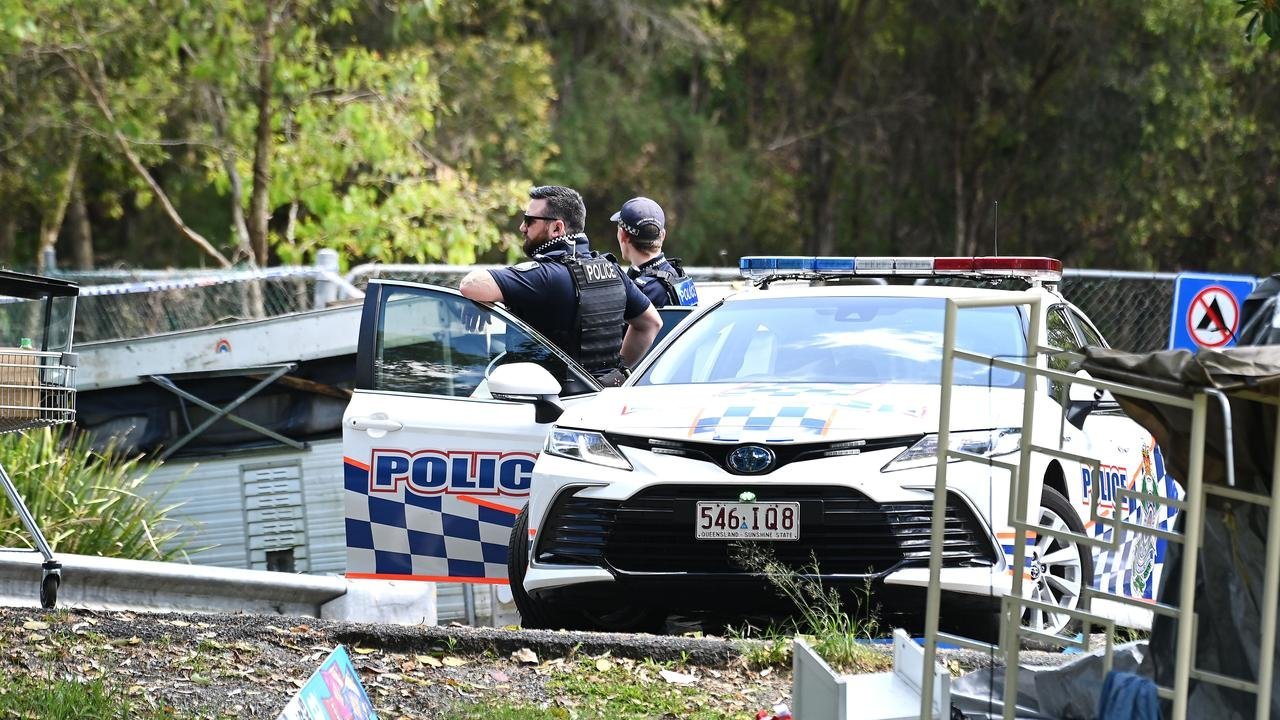
According to Acting Chief Superintendent Kerry Johnson, police were called to the Cavill Way house at around 12:30am in response to a domestic violence incident.
When they arrived, they were confronted by the armed man, who allegedly advanced towards them and made threats. Despite verbal commands to stand down, the man continued to approach the officers, who were forced to take drastic action.
The man was shot and died at the scene, despite receiving first aid and CPR from officers.
The incident has been referred to the Ethical Standards Command and the Crime and Corruption Commission, which will investigate the circumstances surrounding the shooting.
Superintendent Johnson has defended the actions of the officers involved, saying they did everything they could to de-escalate the situation before resorting to lethal force.
“Unfortunately, these are the things that happen in policing situations; they can escalate and de-escalate as quickly as possible,” he said.
But the incident has raised concerns about the rising trend of violent confrontations between law enforcement and the public in Queensland. This is the fifth police-involved shooting in the state so far this year, sparking fears about the safety of both officers and the community.
Security analysts say the increasing number of incidents highlights the need for improved training and resources for police to deal with high-pressure situations.
Law enforcement insiders warn that the growing trend of violent confrontations is a symptom of a deeper societal problem, with many individuals becoming increasingly aggressive and unpredictable.
“It’s a worrying trend, and one that we need to take seriously,” said one expert. “We need to look at the underlying causes of this violence and work to address them, rather than just treating the symptoms.”
Neighbours of the deceased man have expressed shock and sadness at the events that unfolded on their quiet street.
“I was actually trying to go to sleep, and obviously seeing a car I was intrigued into what was going on,” said Billie Swain, who witnessed the police response.
“And then obviously witnessing that has really shook me up.” Another neighbour, Courtney Tasker, described the moment she heard the gunshots as “unsettling”, saying it had left her feeling anxious and on edge.
Analysis: What This Means for Australia
The incident highlights the growing concern about police-community relations in Australia, particularly in Queensland.
The increasing number of police-involved shootings raises questions about the training and resources available to officers, as well as the need for improved community engagement and outreach programs.
As the investigation into this incident continues, it’s clear that there are broader implications for the community and the role of law enforcement in maintaining public safety.
Industry observers believe that the incident underscores the need for a more nuanced approach to policing, one that prioritizes de-escalation techniques and community engagement.
“We need to move away from a solely enforcement-based approach and towards a more holistic model that addresses the root causes of violence and aggression,” said one expert.
As the community comes to terms with the events of Sunday morning, it’s clear that this incident will have far-reaching implications for the way we think about policing and public safety in Australia.