Tragic Twin Tragedies: How Memory Failure Led to the Deaths of Two Children Left in Scorching Hot Cars as Coroner Calls for Urgent Action
- Two young children died in separate incidents after being left in cars during hot weather due to their parents’ memory failure.
- A NSW coroner has found that fatigue, stress, and a change in routine contributed to the tragic events, warning that it could happen to even the most loving parents.
- The coroner has recommended a system to require childcare centres to immediately notify parents if their child is absent, and for government agencies to expand awareness campaigns on memory failure.
- The cases highlight the devastating consequences of a moment’s distraction and the need for urgent action to prevent such tragedies from happening again.
The devastating deaths of two young children, OVA and AN, who were left in scorching hot cars due to their parents’ memory failure, have sent shockwaves across the nation.
A NSW coroner has found that the tragic events were the result of a combination of fatigue, stress, and a change in routine, warning that it could happen to even the most loving parents.
The inquest into the separate incidents revealed that both parents thought their children were at childcare when, in reality, they had been left in the car for an extended period.
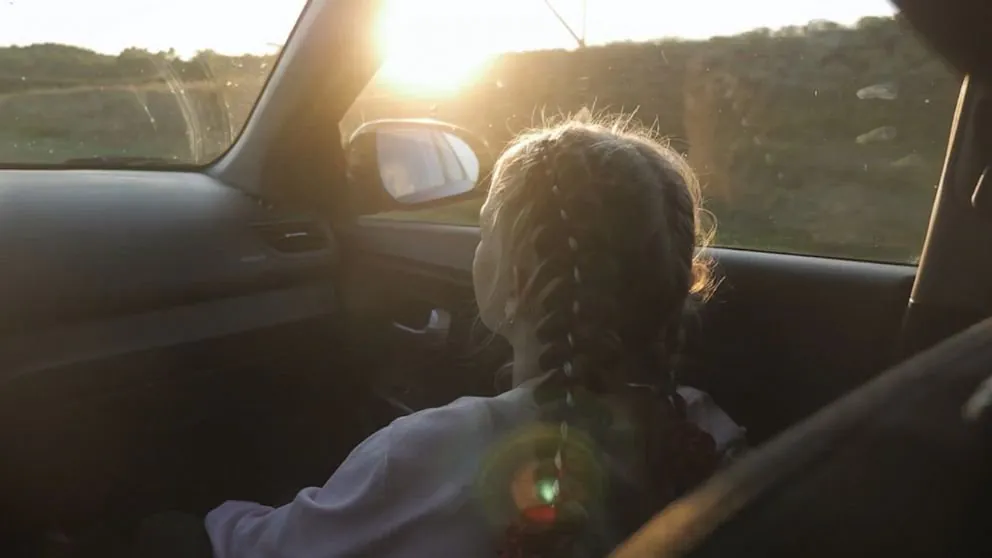
Deputy State Coroner Rebecca Hosking described the parents as “loving and caring,” but highlighted the need for urgent action to prevent such tragedies from happening again.
OVA, 14 months old, was left in the back seat of her parents’ car on a sweltering day in May 2025.




Her father, frazzled and running late, dropped her mother off at the train station before heading towards her childcare centre, but instead drove home and started work, inadvertently leaving his daughter in the car.
The mother checked the childcare app and noticed OVA had not been checked in, but assumed staff had been too busy to update their system. The family never received a notification to inform them that OVA had not attended the centre that day.
AN, three years old, was left in the back seat of his family car on a hot day in February 2023.
His father, who had gone to bed late the night before, dropped off his other two children at school before heading to AN’s childcare centre, but stopped to fill up his car at the petrol station, interrupting his “prospective intention” to take AN to childcare.
He drove straight home and started work, unintentionally leaving AN, who had quietly fallen asleep during the drive, in the car. In both cases, the parents discovered their children in the back seat at the end of the day, but it was too late.
The coroner’s findings highlighted the devastating consequences of a moment’s distraction and the need for urgent action to prevent such tragedies from happening again.
Analysis: What This Means for AustraliaThe deaths of OVA and AN have sparked a national conversation about the need for greater awareness and action to prevent children from being left in hot cars.
The coroner’s recommendations for a system to require childcare centres to immediately notify parents if their child is absent and for government agencies to expand awareness campaigns on memory failure are a crucial step in the right direction.
However, experts warn that more needs to be done to address the root causes of these tragedies.
“These cases highlight the importance of addressing the underlying issues of fatigue, stress, and distraction that can lead to memory failure,” said a child safety expert.
“We need to work towards creating a culture that prioritizes child safety and provides support for parents to prevent such tragedies from happening again.”
The cases also raise questions about the role of technology in preventing such tragedies.
While childcare apps and other digital tools can provide some reassurance, they are not foolproof.
“We need to develop more effective solutions that can detect when a child is left in a car and alert parents and authorities immediately,” said a technology expert.
As the nation mourns the loss of OVA and AN, it is clear that urgent action is needed to prevent such tragedies from happening again. By working together, we can create a safer and more supportive environment for all children.
Security analysts say that the cases highlight the importance of addressing the human factor in child safety.
“We need to recognize that even the most loving and caring parents can make mistakes, and that’s why we need to have systems in place to prevent such tragedies from happening again,” said a security expert.
Law enforcement insiders warn that the cases also highlight the need for greater awareness and education about the dangers of leaving children in hot cars.
“We need to work towards creating a culture that prioritizes child safety and provides support for parents to prevent such tragedies from happening again,” said a law enforcement expert.
Industry observers believe that the cases will lead to increased demand for childcare centres to implement more robust safety measures, including the use of technology to detect when a child is left in a car.
“We expect to see a significant increase in the adoption of safety technologies in childcare centres in the coming months,” said an industry expert.
As the investigation into the deaths of OVA and AN continues, one thing is clear: urgent action is needed to prevent such tragedies from happening again.
By working together, we can create a safer and more supportive environment for all children.
The devastating deaths of two young children, OVA and AN, who were left in scorching hot cars due to their parents’ memory failure, have sent shockwaves across the nation. A NSW coroner has found that the tragic events were the result of a combination of fatigue, stress, and a change in routine, warning that it could happen to even the most loving parents.
The inquest into the separate incidents revealed that both parents thought their children were at childcare when, in reality, they had been left in the car for an extended period. Deputy State Coroner Rebecca Hosking described the parents as “loving and caring,” but highlighted the need for urgent action to prevent such tragedies from happening again.
OVA, 14 months old, was left in the back seat of her parents’ car on a sweltering day in May 2025. Her father, frazzled and running late, dropped her mother off at the train station before heading towards her childcare centre, but instead drove home and started work, inadvertently leaving his daughter in the car. The mother checked the childcare app and noticed OVA had not been checked in, but assumed staff had been too busy to update their system. The family never received a notification to inform them that OVA had not attended the centre that day.
AN, three years old, was left in the back seat of his family car on a hot day in February 2023. His father, who had gone to bed late the night before, dropped off his other two children at school before heading to AN’s childcare centre, but stopped to fill up his car at the petrol station, interrupting his “prospective intention” to take AN to childcare. He drove straight home and started work, unintentionally leaving AN, who had quietly fallen asleep during the drive, in the car.
In both cases, the parents discovered their children in the back seat at the end of the day, but it was too late. The coroner’s findings highlighted the devastating consequences of a moment’s distraction and the need for urgent action to prevent such tragedies from happening again.
The deaths of OVA and AN have sparked a national conversation about the need for greater awareness and action to prevent children from being left in hot cars. The coroner’s recommendations for a system to require childcare centres to immediately notify parents if their child is absent and for government agencies to expand awareness campaigns on memory failure are a crucial step in the right direction.
However, experts warn that more needs to be done to address the root causes of these tragedies. “These cases highlight the importance of addressing the underlying issues of fatigue, stress, and distraction that can lead to memory failure,” said a child safety expert. “We need to work towards creating a culture that prioritizes child safety and provides support for parents to prevent such tragedies from happening again.”
The cases also raise questions about the role of technology in preventing such tragedies. While childcare apps and other digital tools can provide some reassurance, they are not foolproof. “We need to develop more effective solutions that can detect when a child is left in a car and alert parents and authorities immediately,” said a technology expert.
As the nation mourns the loss of OVA and AN, it is clear that urgent action is needed to prevent such tragedies from happening again. By working together, we can create a safer and more supportive environment for all children.
Security analysts say that the cases highlight the importance of addressing the human factor in child safety. “We need to recognize that even the most loving and caring parents can make mistakes, and that’s why we need to have systems in place to prevent such tragedies from happening again,” said a security expert.
Law enforcement insiders warn that the cases also highlight the need for greater awareness and education about the dangers of leaving children in hot cars. “We need to work towards creating a culture that prioritizes child safety and provides support for parents to prevent such tragedies from happening again,” said a law enforcement expert.
Industry observers believe that the cases will lead to increased demand for childcare centres to implement more robust safety measures, including the use of technology to detect when a child is left in a car. “We expect to see a significant increase in the adoption of safety technologies in childcare centres in the coming months,” said an industry expert.
As the investigation into the deaths of OVA and AN continues, one thing is clear: urgent action is needed to prevent such tragedies from happening again. By working together, we can create a safer and more supportive environment for all children.