
‘Deadly Justice’: Police Officer Who Killed Indigenous Teenager in Fatal Collision Avoids Jail Time
- A NSW Police officer has been sentenced to a lenient two-year intensive corrective order for a fatal collision that killed a 16-year-old Indigenous boy
- The officer, Benedict Bryant, was found guilty of dangerous driving occasioning death, but will not serve any time behind bars
- The case has sparked outrage among First Nations advocates, who say it’s the first time a police officer has been convicted in relation to a death in custody of an Aboriginal or Torres Strait Islander person
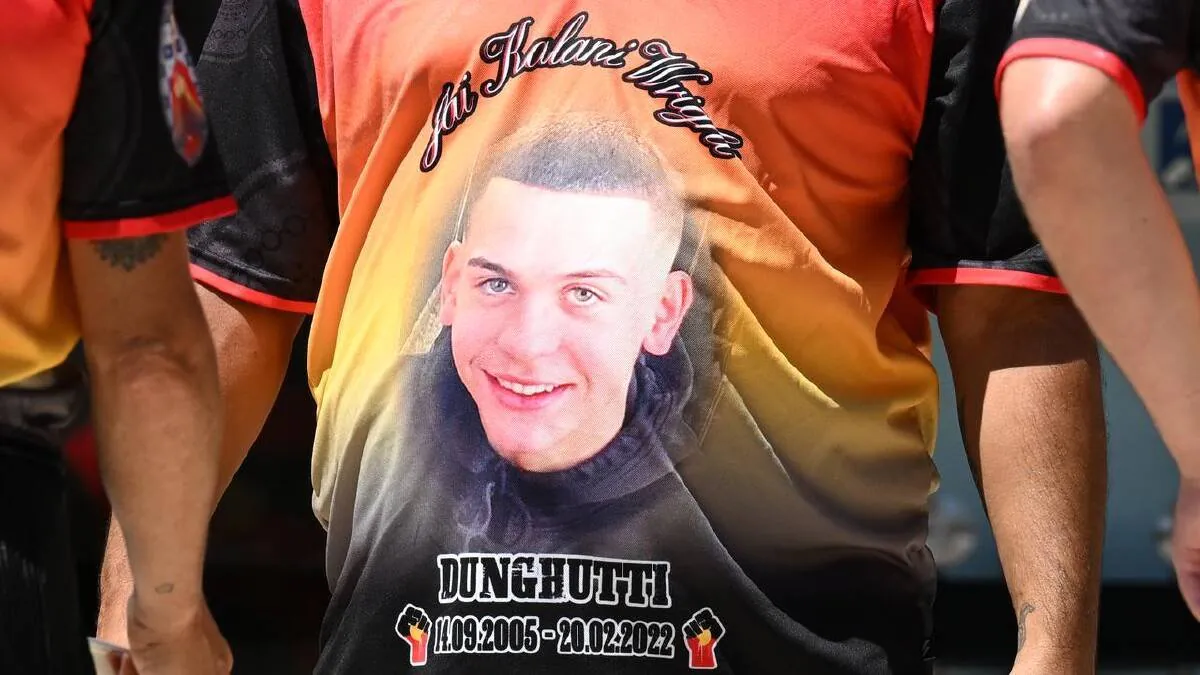
- The teenager, Jai Kalani Wright, died in hospital after suffering serious head injuries in the collision, which has raised questions about police accountability and justice for Indigenous Australians
The decision to sentence a NSW Police officer to a lenient two-year intensive corrective order for a fatal collision that killed a 16-year-old Indigenous boy has sparked widespread outrage and raised serious questions about police accountability and justice for Indigenous Australians.
Benedict Bryant was found guilty of dangerous driving occasioning death in November last year, but will not serve any time behind bars, instead completing 500 hours of unpaid community service work and being disqualified from driving for three years.
The incident occurred in February 2022, when Jai Kalani Wright, a 16-year-old Indigenous boy, died in hospital after suffering serious head injuries in a collision between his motorbike and an unmarked police car in inner Sydney.
Police said the bike was stolen, along with a car, both of which had been spotted by officers nearby before the incident.
The case has been hailed as a landmark moment in the pursuit of justice for Indigenous Australians, with legal experts and First Nations advocates saying it’s the first time a police officer has been convicted in relation to a death in custody of an Aboriginal or Torres Strait Islander person.
The conviction of Officer Bryant has sent shockwaves through the Indigenous community, with many calling for greater accountability and transparency within the NSW Police Force. The case has also raised questions about the use of force by police and the treatment of Indigenous Australians in custody.
According to the Australian Bureau of Statistics Australian Bureau of Statistics, Indigenous Australians are more likely to die in custody than non-Indigenous Australians, with the majority of deaths occurring in police custody or prison.
Security analysts say the case highlights the need for greater scrutiny of police actions and the importance of holding officers accountable for their actions. “This case is a clear example of the need for greater transparency and accountability within the NSW Police Force,” said one analyst.
“The fact that Officer Bryant will not serve any time behind bars raises serious questions about the justice system and its treatment of Indigenous Australians.”
Analysis: What This Means for Australia
The conviction of Officer Bryant has significant implications for Australia’s justice system and its treatment of Indigenous Australians. The case highlights the need for greater accountability and transparency within the NSW Police Force and raises questions about the use of force by police.
The fact that Officer Bryant will not serve any time behind bars also raises concerns about the justice system’s ability to hold officers accountable for their actions.
As one law enforcement insider noted, “This case is a wake-up call for the justice system and highlights the need for greater scrutiny of police actions.”
Industry observers believe the case will have far-reaching consequences for police-community relations and the pursuit of justice for Indigenous Australians. “This case is a significant moment in the pursuit of justice for Indigenous Australians,” said one observer.
“It highlights the need for greater accountability and transparency within the NSW Police Force and raises questions about the use of force by police.”