
WA Opposition Leader’s Shocking Admission: ‘I’ll Work with One Nation If It’s What Voters Want’
- West Australian Opposition Leader Basil Zempilas says he’s open to working with One Nation, citing the party’s surge in popularity as a sign of the public’s frustration with the current government.
- A Newspoll reveals One Nation has gained 31 per cent of the primary vote, surpassing Labor and the Coalition for the first time.
- Mr Zempilas’s comments have sparked controversy, with WA Deputy Premier Rita Saffioti accusing him of desperation.
- The WA Liberal leader has pledged to stand up for what voters want, even if it means working with a party that has been known for its divisive policies.
The leader of the Western Australian Liberal party, Basil Zempilas, has sent shockwaves through the state’s political landscape with his admission that he’s willing to work with the increasingly popular One Nation party.
In a speech to the business community, Mr Zempilas cited the party’s surge in popularity as a sign of the public’s growing frustration with the current government.
According to a recent Newspoll, One Nation has gained 31 per cent of the primary vote, surpassing both Labor and the Coalition for the first time.
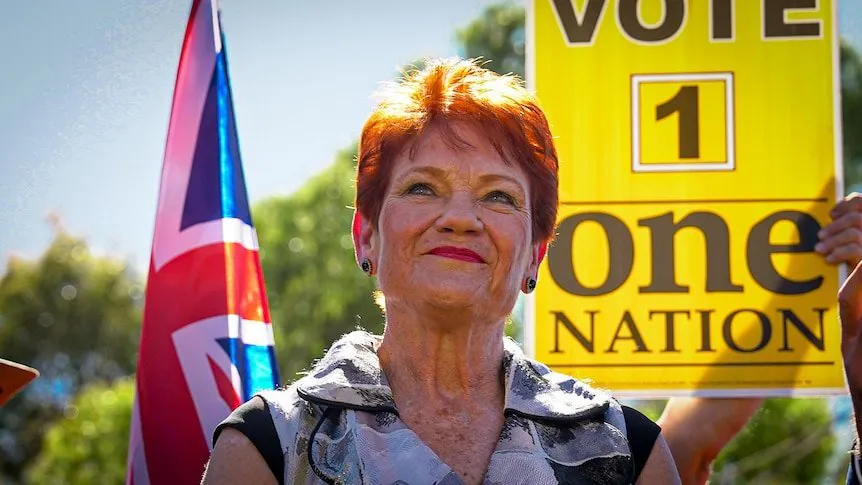
This dramatic shift in public opinion has left many in the political establishment reeling, and Mr Zempilas’s comments have sparked controversy.
WA Deputy Premier Rita Saffioti has accused him of desperation, claiming that his willingness to work with One Nation is a clear sign of his party’s desire to cling to power.
However, Mr Zempilas remains undeterred, insisting that it’s his duty as a leader to stand up for what voters want.
He believes that the public’s frustration with the current government’s policies on issues like housing, health, and cost of living has created a perfect storm that has propelled One Nation to the forefront of Australian politics.
One Nation’s popularity has been on the rise over the past 12 months, with the party’s policies on reducing immigration, economic nationalism, and boosting coal and gas production resonating with many Australians.
Even Prime Minister Anthony Albanese has acknowledged the party’s influence, admitting that their popularity played a role in the government’s decision to take on tax reform in this year’s budget.
Mr Zempilas’s comments have significant implications for the future of Australian politics.
As the leader of the WA Liberal party, he’s sending a clear message that he’s willing to work with a party that has been known for its divisive policies.
This move could potentially alienate some of his party’s more moderate supporters, but it may also attract those who feel disillusioned with the major parties.
Analysis: What This Means for Australia
Mr Zempilas’s willingness to work with One Nation raises important questions about the future of Australian politics. As the country becomes increasingly polarized, it’s clear that the major parties are struggling to connect with voters.
One Nation’s surge in popularity is a symptom of a deeper issue – a sense of disillusionment and frustration that’s driving people to seek alternative options.
Security analysts warn that this trend could have significant implications for national security, as fringe parties with extremist views gain traction.
Law enforcement insiders believe that the rise of One Nation could also lead to increased tensions between different community groups, potentially creating a more volatile social landscape.
Industry observers believe that Mr Zempilas’s comments may be a calculated move to attract voters who feel disillusioned with the major parties. However, this strategy comes with significant risks, as it may alienate some of his party’s more moderate supporters.
Ultimately, the future of Australian politics remains uncertain, as the country grapples with the implications of a rapidly changing political landscape.
Mr Zempilas’s speech to the business community included six policy commitments, including building a new hospital at Yanchep and extending Sunday trading hours. While these policies may appeal to some voters, they do little to address the deeper issues driving the public’s frustration with the current government.
As the country moves forward, it’s clear that a more nuanced approach will be needed to address the complex challenges facing Australia.