US Strikes Back: Iran’s ‘Foolish’ Attack on Cargo Ship Sparks Escalation in Middle East Conflict
- The United States has launched strikes against Iran in response to a “foolish” drone attack on a cargo ship in the Strait of Hormuz.
- The US operation targeted Iranian missile and drone storage facilities, as well as coastal radar sites, according to the US Central Command.
- The Iranian Revolutionary Guard Corps has vowed a “swift and decisive” response, claiming to have repelled a US attack on Sirik Island and launching attacks on US military positions in the region.
- The conflict has sparked fears of a wider escalation in the Middle East, with oil prices plummeting and shipping traffic in the Strait of Hormuz increasing despite the risks.
The United States has taken decisive action against Iran, launching a series of strikes in response to a brazen drone attack on a cargo ship in the Strait of Hormuz.
The attack, which was widely condemned by the international community, marked a significant escalation in the conflict between the two nations.
According to the US Central Command, American aircraft targeted Iranian missile and drone storage facilities, as well as coastal radar sites, in a bid to cripple Tehran’s military capabilities.
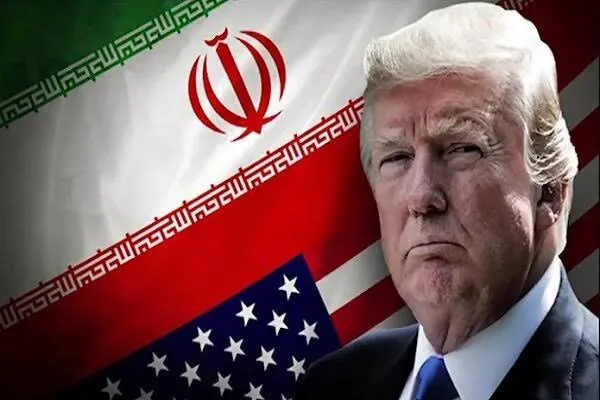
The Iranian Revolutionary Guard Corps (IRGC) has vowed to respond with force, claiming to have repelled a US attack on Sirik Island and launching attacks on US military positions in the region.
The IRGC has also warned vessels against using a newly established shipping corridor in the Strait of Hormuz, which was announced by the United Nations without consulting Tehran.


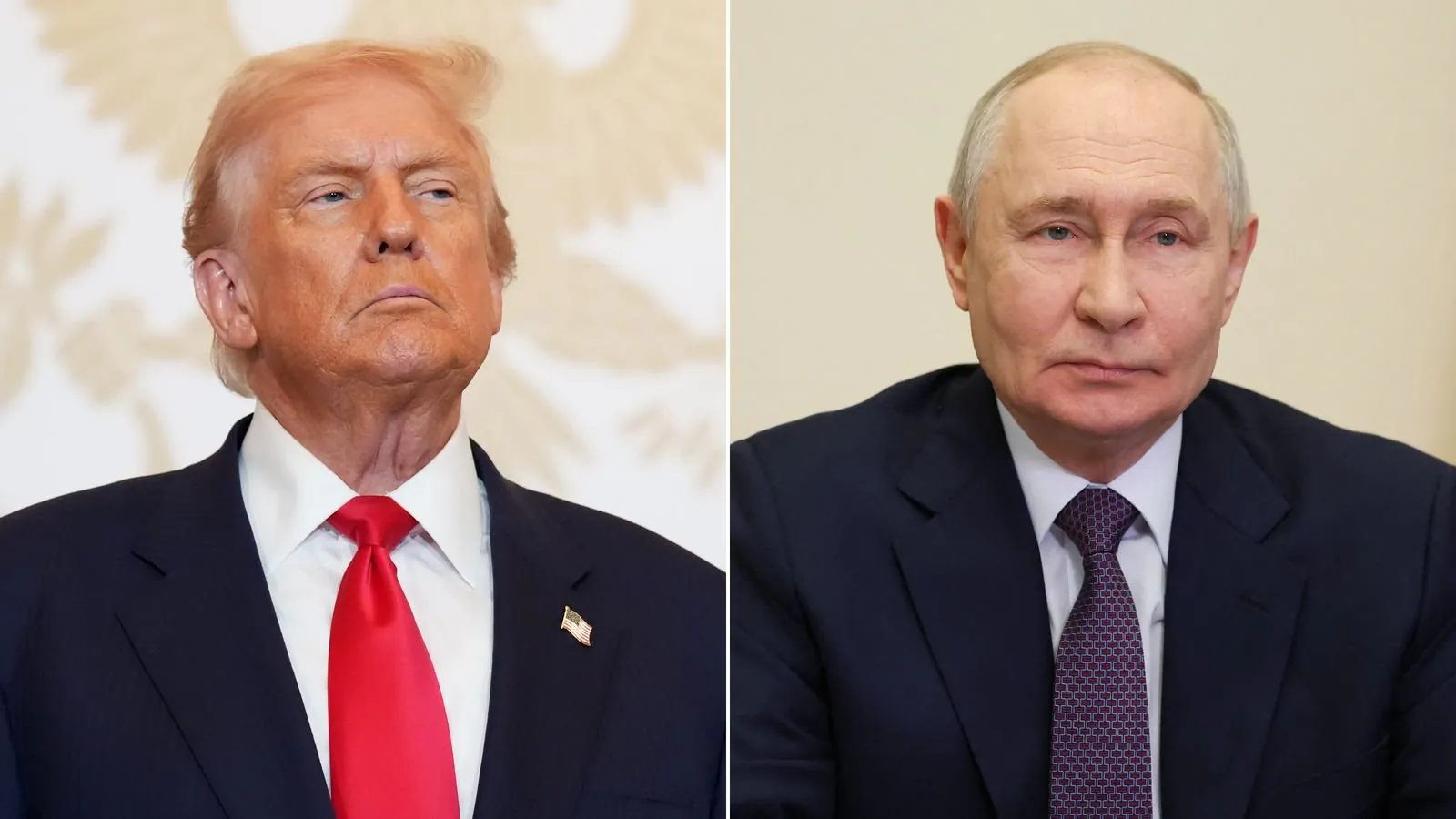

The corridor was intended to provide a safe passage for ships through the strategic waterway, but the IRGC has deemed it a threat to Iran’s national security.
The conflict has sparked fears of a wider escalation in the Middle East, with oil prices plummeting in response to the increased tensions.
Shipping traffic in the Strait of Hormuz has increased despite the risks, with at least 42 commodity vessels crossing the waterway on Thursday, according to Kpler’s tracking platform.
However, experts warn that the crisis is far from over, with negotiations for a long-term settlement between Iran and the US still ongoing.
Analysis: What This Means for Australia
The escalation in the Middle East conflict has significant implications for Australia’s national security and economic interests. As a major importer of oil, Australia is heavily reliant on the safe passage of ships through the Strait of Hormuz.
Any disruption to this critical waterway could have far-reaching consequences for the country’s energy security and economy.
Security analysts say that the conflict highlights the need for Australia to diversify its energy sources and reduce its reliance on imported oil.
“The Strait of Hormuz is a critical chokepoint for global energy supplies, and any disruption to this waterway could have significant implications for Australia’s energy security,” said one expert.
“It’s essential that Australia continues to invest in renewable energy sources and explore alternative suppliers to reduce its reliance on imported oil.”
LAW enforcement insiders warn that the conflict also poses a significant threat to regional stability, with the potential for extremist groups to exploit the chaos and launch attacks on Australian interests.
“The Middle East is a complex and volatile region, and the conflict between Iran and the US has the potential to spill over into other parts of the region,” said one source.
“Australian authorities need to be vigilant and take steps to protect the country’s interests and citizens in the region.”
Industry observers believe that the conflict will also have significant economic implications for Australia, with the potential for higher oil prices and disruptions to global trade.
“The Strait of Hormuz is a critical waterway for global trade, and any disruption to this waterway could have significant implications for Australia’s economy,” said one expert.
“Australian businesses need to be prepared for the potential consequences of this conflict and take steps to mitigate any disruptions to their operations.”
As the conflict continues to unfold, one thing is clear: the situation in the Middle East is becoming increasingly complex and volatile. Australia must remain vigilant and take steps to protect its national security and economic interests in the region.
Middle East conflict Iran United States United Nations International Maritime Organization