
Widows and Divorcees Left in the Dark as Government Scrambles to Fix ‘Unintended Consequences’ of Tax Overhaul
- Treasurer Jim Chalmers promises to ‘fix’ issue affecting 680,000 properties, but refuses to reveal details
- Government’s tax changes could leave widows and divorcees missing out on negative gearing advantages
- Coalition slams ‘widows tax’ as Labor scrambles to address issue before laws come into force next year
- Experts warn of ‘accelerated pace of change’ putting pressure on leaders worldwide
The Australian government is scrambling to fix an ‘unintended consequence’ of its tax overhaul, which could leave thousands of widows and divorcees missing out on negative gearing advantages.
Treasurer Jim Chalmers has promised to ‘fix’ the issue, but has refused to reveal exactly how, sparking concerns among experts and opposition parties.
The issue emerged last week during debate on Labor’s changes to negative gearing and the capital gains tax discount.
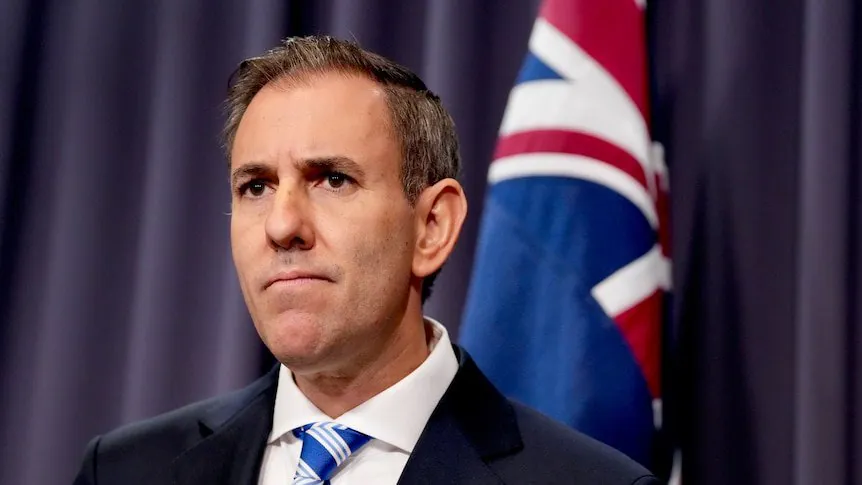
Independent senator David Pocock raised concerns that existing assets – which should be exempt from the changes – could lose that favourable treatment through death or divorce, because it would be considered a change of ownership.
The Coalition dubbed the loophole a ‘widows tax’, and asked whether the government knew of the implications before budget night.
While the legislation passed, the government gave an assurance that it would resolve the issue and ensure existing assets remain exempt from the tax changes, if they changed hands through death or divorce before the laws come into force in July next year.
However, Chalmers’ refusal to provide details has sparked concerns among experts and opposition parties.
“It’s not unusual to make amendments, with carve outs expected to be made for small businesses also due to be legislated later this year,” Chalmers told ABC’s Insiders.
“We will address it.
If you want to use a different word, we will fix it and we’ll make clear the way that we will fix it in the legislation that follows.”
But Shadow Treasurer Tim Wilson said Chalmers’ comments were non-committal.
“Jim Chalmers has paved the way for yet another broken promise this morning, refusing to confirm that his government will repeal its widows tax,” Wilson said in a statement.
Meanwhile, Shadow Education Minister Julian Leeser said the changes to negative gearing and capital gains taxes were unnecessary and could end up negatively impacting housing supply.
“If you tax something, you have less of it, so if you want Australia to be a more innovative society you don’t slug people who are engaged in innovation,” Leeser told Sky News.
The government’s tax changes have been met with widespread criticism, with many arguing that they will harm younger Australians trying to get into new homes.
The budget states that the government’s tax changes would reduce dwelling construction by 35,000 homes in the next decade, but adds that figure is expected to be offset by 65,000 additional homes due to the government’s housing supply measures.
Analysis: What This Means for Australia
The government’s tax overhaul has sparked concerns among experts and opposition parties, who argue that it will harm younger Australians trying to get into new homes.
The issue of widows and divorcees missing out on negative gearing advantages is just one of many unintended consequences of the tax changes.
Security analysts say that the government’s refusal to provide details on how it will fix the issue is a major concern. “It’s not just about fixing the issue, it’s about providing certainty and stability for those affected,” said one analyst.
Law enforcement insiders warn that the tax changes could lead to a rise in property crime, as desperate homeowners try to make ends meet. “We’re already seeing a rise in property crime, and these tax changes will only make it worse,” said one insider.
Industry observers believe that the government’s tax overhaul is a major risk, and could lead to a decline in housing supply. “The government needs to rethink its tax changes and consider the impact on housing supply,” said one observer.
The government’s refusal to provide details on how it will fix the issue has sparked concerns among experts and opposition parties.
As the laws come into force next year, it remains to be seen how the government will address the issue and provide certainty and stability for those affected.
housing crisis tax overhaul Australian Bureau of Statistics