
Shia Muslims and Catholics Unite in Melbourne Amid Controversy: A Powerful Display of Interfaith Harmony
- Thousands of Shia Muslims gathered outside St Patrick’s Cathedral in Melbourne to observe Ashura, a significant date in the Shia calendar, sparking both praise and criticism.
- The city’s Vicar General, the Very Rev Tony Kerin, met with Shia leaders in a prearranged greeting, exchanging gifts and promoting unity.
- Controversy erupted last year over the procession’s route, with some critics claiming Muslims had “surrounded” the cathedral, but organisers insisted they had stopped outside coincidentally.
- The event has sparked debate about the balance between religious freedom and public sensitivities, with some calling for processions to be held in mosques rather than public spaces.
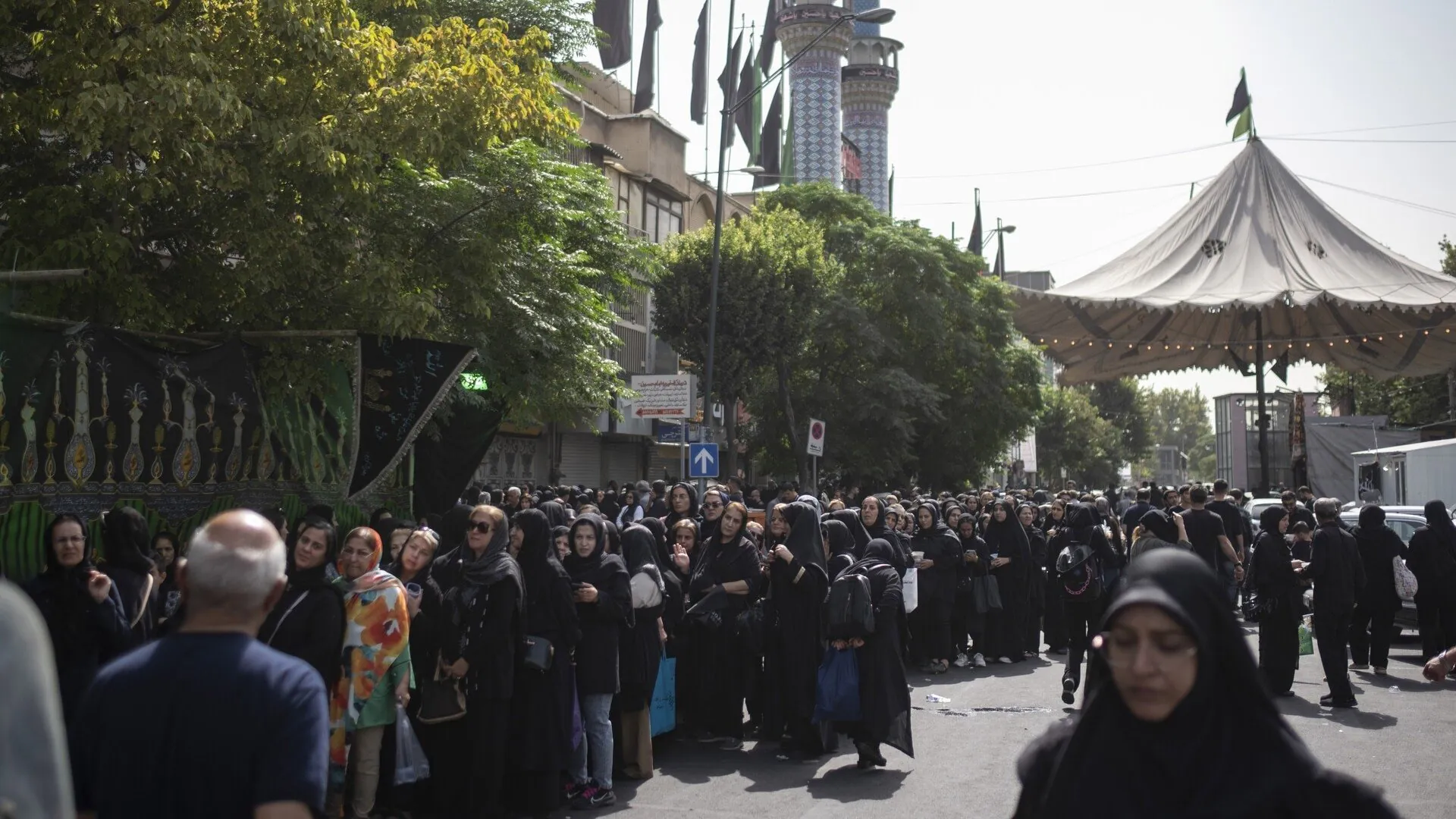
The streets of Melbourne were filled with the sound of drums and chanting as thousands of Shia Muslims gathered to observe Ashura, a day of mourning marking the killing of Imam Husayn, the Prophet Muhammad’s grandson.
The procession, which passed by St Patrick’s Cathedral, has become a focal point of controversy in recent years, with some critics accusing Muslims of “surrounding” the iconic landmark.
However, organisers and Catholic leaders have worked to promote unity and understanding, with a prearranged meeting between the city’s Vicar General, the Very Rev Tony Kerin, and Shia leaders.
This year’s event was notable for its display of interfaith harmony, with Fr Kerin presenting two Shia leaders, Sheikh Abu Mahdi and Allama Wajid Hussain Mahdavi, with a copy of the Holy Bible and a biography of Melbourne’s first Bishop, James Alipius Goold.
The scholars reciprocated with a copy of the Koran and a framed Ashura poster, highlighting their shared commitment to “justice, compassion, mutual respect, and the peaceful coexistence of all faith communities”.
The meeting was a significant moment in the midst of controversy, with some critics questioning the need for Ashura processions to take place in public spaces.
Iranian-Australian community leader Suren Edgar expressed his respect for Australia’s commitment to religious freedom but suggested that such events were more appropriately held in mosques or private community venues.
“Public spaces belong to everyone,” he said. “For some people, especially children, teenagers, and those who have fled religious authoritarianism, these displays can be confronting or distressing.”
The debate highlights the complexities of balancing religious freedom with public sensitivities. Ashura is a deeply significant event for Shia Muslims, marking a pivotal moment in their history and faith.
However, the public display of mourning rituals, including self-flagellation and the use of chains, can be confronting for some. The question remains: how can we strike a balance between respecting the rights of religious minorities and protecting the sensitivities of the broader community?
Security analysts say that the controversy surrounding Ashura processions in Melbourne highlights the need for greater understanding and dialogue between different faith communities. “It’s essential that we promote mutual respect and understanding, rather than allowing misinformation and prejudice to divide us,” said one expert.
Analysis: What This Means for Australia
The Ashura controversy in Melbourne has significant implications for Australia’s multicultural fabric.
As the country becomes increasingly diverse, it’s essential that we find ways to accommodate different faiths and cultures while protecting the rights and sensitivities of all Australians.
The meeting between Fr Kerin and Shia leaders is a powerful example of the importance of interfaith dialogue and cooperation.
Law enforcement insiders warn that the controversy surrounding Ashura processions could be exploited by extremist groups seeking to divide the community. “It’s essential that we remain vigilant and proactive in promoting unity and understanding, rather than allowing hate and intolerance to take hold,” said one source.
As Australia navigates the complexities of multiculturalism, it’s clear that events like Ashura will continue to play a significant role in shaping our national identity. By promoting dialogue, understanding, and respect, we can build a more harmonious and inclusive society for all Australians.