
Australia’s Stolen Heritage: The Fight for the Return of a 3.5-Tonne Meteorite and a Sacred Indigenous Site
- A 3.5-tonne meteorite, known as the Cranbourne No 1, was removed from its sacred Indigenous site in Victoria, sparking a 160-year-long battle for its return.
- The meteorite, a crucial part of the Bunurong people’s Songline, was sold to a British collector for a nominal sum, leaving the community with a deep sense of loss and disconnection.
- Today, the Natural History Museum in London holds the meteorite, but the Bunurong people are fighting for its repatriation, seeking to restore balance and reconciliation.
- The story of the Cranbourne No 1 meteorite is a powerful symbol of Australia’s complex history, highlighting the need for greater recognition and respect for Indigenous culture.
The Cranbourne No 1 meteorite’s journey began billions of years ago, when it was part of a living planet that eventually died and broke apart. The rock traveled through space, eventually entering Earth’s atmosphere and landing in what is now Victoria, Australia.
The impact created a crater, and the meteorite broke into 13 pieces, with the largest piece weighing 3.5 tonnes. The meteorite was first discovered by white colonists in the 1800s, who assumed it was part of a seam of iron underground.
However, it was soon realized that the rocks had come from space, and they were dubbed the Cranbourne Meteorites. The largest piece, Cranbourne No 1, was sold to James Bruce, who intended to send it to the British Museum.
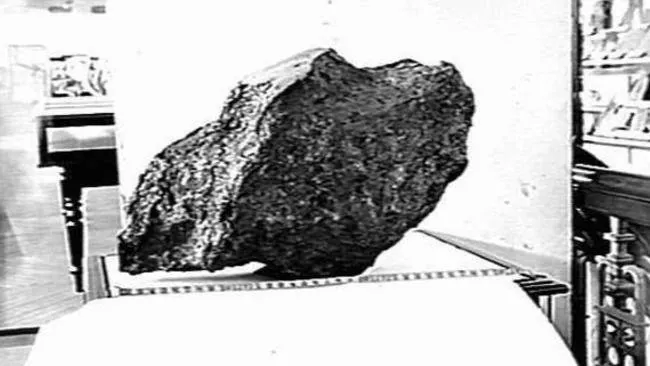
However, the meteorite’s removal from its sacred site had a profound impact on the Bunurong people, who had long known the Cranbourne Meteorites as Kuunhdurt Laang.
The site where the meteorite landed is a crucial part of their Songline, a network of stories and songs that crisscross the country. The removal of the meteorite disrupted the balance of the site, leaving it “dead” and unable to be used for its sacred purpose.
The Bunurong people’s connection to the land and their ancestors is deeply tied to the meteorite.
Aunty Gail Kunwarra Dawson, an Elder of the Bunurong people, explains that the meteorite is a symbol of their creator, Bunjil, who sent it to Earth to teach the people how to live in harmony with the land.
The fight for the return of the Cranbourne No 1 meteorite is not just about reclaiming a physical object but also about restoring balance and reconciliation.
The Bunurong people are seeking to work with the Natural History Museum to bring Western and Indigenous science knowledge together in their display of the meteorite.
Analysis: What This Means for AustraliaThe story of the Cranbourne No 1 meteorite highlights the complex and often fraught history between Indigenous Australians and the colonial powers that removed them from their land.
The removal of the meteorite is a powerful symbol of the disrespect and disregard for Indigenous culture that has been perpetuated for centuries. However, the fight for the meteorite’s return also represents a opportunity for reconciliation and recognition.
By acknowledging the significance of the meteorite to the Bunurong people and working towards its repatriation, Australia can take a step towards healing the wounds of the past.
As Aunty Gail says, “We could invite everyone in Australia to come and look at it, and we’d tell them the story of Bunjil.
Then it would be for everyone, and the line would be mended.” The return of the meteorite would be a powerful symbol of Australia’s commitment to reconciliation and recognition of Indigenous culture.
Security analysts say that the return of the meteorite would also have significant implications for Australia’s national identity. By acknowledging and respecting Indigenous culture, Australia can strengthen its sense of self and its connection to the land.
Law enforcement insiders warn that the removal of the meteorite was likely a breach of Indigenous cultural heritage laws and protocols. The return of the meteorite would set a powerful precedent for the repatriation of other Indigenous cultural objects and artifacts.
Industry observers believe that the return of the meteorite would also have significant economic benefits for the region. By promoting Indigenous tourism and cultural exchange, the return of the meteorite could create new opportunities for economic growth and development.
The Cranbourne No 1 meteorite’s journey began billions of years ago, when it was part of a living planet that eventually died and broke apart. The rock traveled through space, eventually entering Earth’s atmosphere and landing in what is now Victoria, Australia. The impact created a crater, and the meteorite broke into 13 pieces, with the largest piece weighing 3.5 tonnes.
The meteorite was first discovered by white colonists in the 1800s, who assumed it was part of a seam of iron underground. However, it was soon realized that the rocks had come from space, and they were dubbed the Cranbourne Meteorites. The largest piece, Cranbourne No 1, was sold to James Bruce, who intended to send it to the British Museum.
However, the meteorite’s removal from its sacred site had a profound impact on the Bunurong people, who had long known the Cranbourne Meteorites as Kuunhdurt Laang. The site where the meteorite landed is a crucial part of their Songline, a network of stories and songs that crisscross the country. The removal of the meteorite disrupted the balance of the site, leaving it “dead” and unable to be used for its sacred purpose.
The Bunurong people’s connection to the land and their ancestors is deeply tied to the meteorite. Aunty Gail Kunwarra Dawson, an Elder of the Bunurong people, explains that the meteorite is a symbol of their creator, Bunjil, who sent it to Earth to teach the people how to live in harmony with the land.
The fight for the return of the Cranbourne No 1 meteorite is not just about reclaiming a physical object but also about restoring balance and reconciliation. The Bunurong people are seeking to work with the Natural History Museum to bring Western and Indigenous science knowledge together in their display of the meteorite.
The story of the Cranbourne No 1 meteorite highlights the complex and often fraught history between Indigenous Australians and the colonial powers that removed them from their land. The removal of the meteorite is a powerful symbol of the disrespect and disregard for Indigenous culture that has been perpetuated for centuries.
However, the fight for the meteorite’s return also represents a opportunity for reconciliation and recognition. By acknowledging the significance of the meteorite to the Bunurong people and working towards its repatriation, Australia can take a step towards healing the wounds of the past.
As Aunty Gail says, “We could invite everyone in Australia to come and look at it, and we’d tell them the story of Bunjil. Then it would be for everyone, and the line would be mended.” The return of the meteorite would be a powerful symbol of Australia’s commitment to reconciliation and recognition of Indigenous culture.
Security analysts say that the return of the meteorite would also have significant implications for Australia’s national identity. By acknowledging and respecting Indigenous culture, Australia can strengthen its sense of self and its connection to the land.
Law enforcement insiders warn that the removal of the meteorite was likely a breach of Indigenous cultural heritage laws and protocols. The return of the meteorite would set a powerful precedent for the repatriation of other Indigenous cultural objects and artifacts.
Industry observers believe that the return of the meteorite would also have significant economic benefits for the region. By promoting Indigenous tourism and cultural exchange, the return of the meteorite could create new opportunities for economic growth and development.