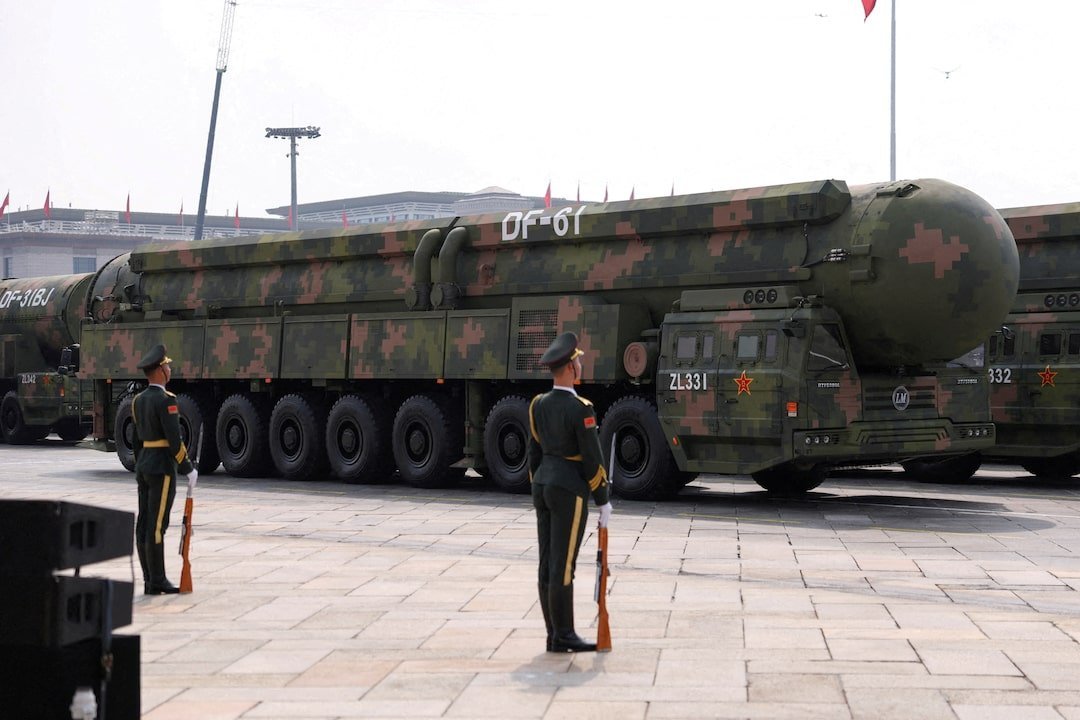
China’s Military Build-Up Sparks Alarm as US and Australia Unite Against Beijing’s Growing Threat
- Australia’s Defence Industry Minister Pat Conroy warns of China’s military build-up without “strategic trust or transparency”
- US shares Canberra’s concerns as China launches nuclear-capable missile into the South Pacific
- AUKUS pact to arm Australia with nuclear-powered submarines hangs in the balance amid production concerns
- Conroy insists US is on track to deliver three Virginia-class submarines despite sluggish production
The US and Australia are united in their concerns over China’s rapid military build-up, with Defence Industry Minister Pat Conroy warning that Beijing’s actions are happening “without any of the strategic trust or transparency we would expect”.
Conroy’s comments came as he met with senior US defence officials in Washington to discuss the $368 billion AUKUS plan to arm Australia with nuclear-powered submarines.
The three-way pact between Australia, the US, and the UK is a crucial part of Canberra’s 21st-century defence strategy, aimed at deterring threats from Beijing.
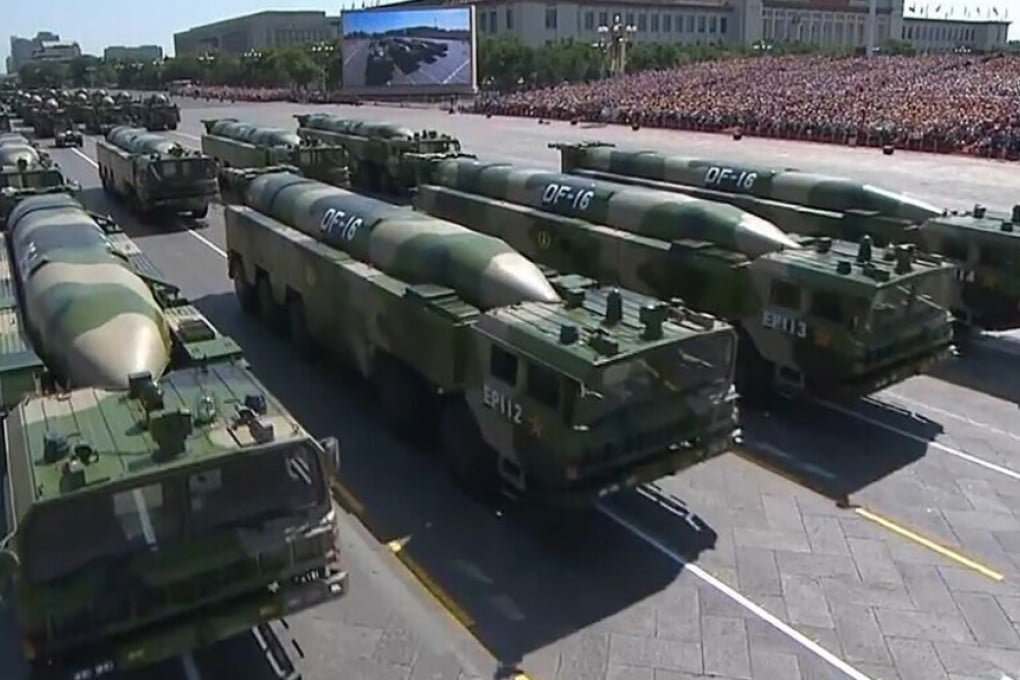
However, China’s recent launch of a nuclear-capable missile into the South Pacific has sent shockwaves across the region, drawing unanimous condemnation from Pacific Island countries.
Conroy briefed US officials on Australia’s reaction to the test, as well as the broader response from the Pacific, which he said was one of “concern and calling it out”.


China’s foreign ministry has denied that the test was targeted at anyone, claiming it was “routine”.
However, the timing of the launch – just hours after Australia inked a mutual defence agreement with Fiji that could be extended to other Pacific nations – has raised eyebrows.
Conroy, who is also Pacific affairs minister, said he briefed American officials on these new alliances, as well as the importance of AUKUS in the face of growing Chinese aggression.
Despite concerns over sluggish production, Conroy insisted that the US is on track to deliver three promised Virginia-class submarines. He pointed to Australia’s multi-billion dollar investments in the US’s submarine building capabilities, saying he was “very confident” that the transfer would occur.
Conroy’s comments come amid concerns that a US president could invoke an AUKUS escape clause, reneging on Washington’s commitments if they threaten national security.
Analysis: What This Means for AustraliaChina’s military build-up has significant implications for Australia’s national security.
With Beijing’s actions becoming increasingly aggressive, Canberra is looking to strengthen its alliances with the US and other Pacific nations.
The AUKUS pact is a crucial part of this strategy, providing Australia with the capability to deter Chinese threats and assert its influence in the region.
However, the success of AUKUS relies on the US meeting its commitments, which has raised concerns over production delays. Security analysts say that China’s actions are a clear indication of its growing ambition in the region.
“China’s military build-up is a significant threat to regional stability,” said one analyst.
“Australia and the US need to work together to counter this threat and ensure that the rules-based order is maintained.”
Law enforcement insiders warn that China’s actions could have serious implications for Australia’s border security.
“China’s growing military presence in the region increases the risk of espionage and cyber attacks,” said one insider.
“Australia needs to be vigilant in protecting its borders and critical infrastructure.”
Industry observers believe that the AUKUS pact has the potential to boost Australia’s economy, with billions of dollars in defence contracts up for grabs.
However, they also warn that the project is not without risk. “AUKUS is a complex and ambitious project,” said one observer.
“There are many challenges ahead, but if successful, it could provide a significant boost to Australia’s economy and national security.”
The US and Australia are united in their concerns over China’s rapid military build-up, with Defence Industry Minister Pat Conroy warning that Beijing’s actions are happening “without any of the strategic trust or transparency we would expect”. Conroy’s comments came as he met with senior US defence officials in Washington to discuss the $368 billion AUKUS plan to arm Australia with nuclear-powered submarines.
The three-way pact between Australia, the US, and the UK is a crucial part of Canberra’s 21st-century defence strategy, aimed at deterring threats from Beijing. However, China’s recent launch of a nuclear-capable missile into the South Pacific has sent shockwaves across the region, drawing unanimous condemnation from Pacific Island countries. Conroy briefed US officials on Australia’s reaction to the test, as well as the broader response from the Pacific, which he said was one of “concern and calling it out”.
China’s foreign ministry has denied that the test was targeted at anyone, claiming it was “routine”. However, the timing of the launch – just hours after Australia inked a mutual defence agreement with Fiji that could be extended to other Pacific nations – has raised eyebrows. Conroy, who is also Pacific affairs minister, said he briefed American officials on these new alliances, as well as the importance of AUKUS in the face of growing Chinese aggression.
Despite concerns over sluggish production, Conroy insisted that the US is on track to deliver three promised Virginia-class submarines. He pointed to Australia’s multi-billion dollar investments in the US’s submarine building capabilities, saying he was “very confident” that the transfer would occur. Conroy’s comments come amid concerns that a US president could invoke an AUKUS escape clause, reneging on Washington’s commitments if they threaten national security.
China’s military build-up has significant implications for Australia’s national security. With Beijing’s actions becoming increasingly aggressive, Canberra is looking to strengthen its alliances with the US and other Pacific nations. The AUKUS pact is a crucial part of this strategy, providing Australia with the capability to deter Chinese threats and assert its influence in the region. However, the success of AUKUS relies on the US meeting its commitments, which has raised concerns over production delays.
Security analysts say that China’s actions are a clear indication of its growing ambition in the region. “China’s military build-up is a significant threat to regional stability,” said one analyst. “Australia and the US need to work together to counter this threat and ensure that the rules-based order is maintained.”
Law enforcement insiders warn that China’s actions could have serious implications for Australia’s border security. “China’s growing military presence in the region increases the risk of espionage and cyber attacks,” said one insider. “Australia needs to be vigilant in protecting its borders and critical infrastructure.”
Industry observers believe that the AUKUS pact has the potential to boost Australia’s economy, with billions of dollars in defence contracts up for grabs. However, they also warn that the project is not without risk. “AUKUS is a complex and ambitious project,” said one observer. “There are many challenges ahead, but if successful, it could provide a significant boost to Australia’s economy and national security.”