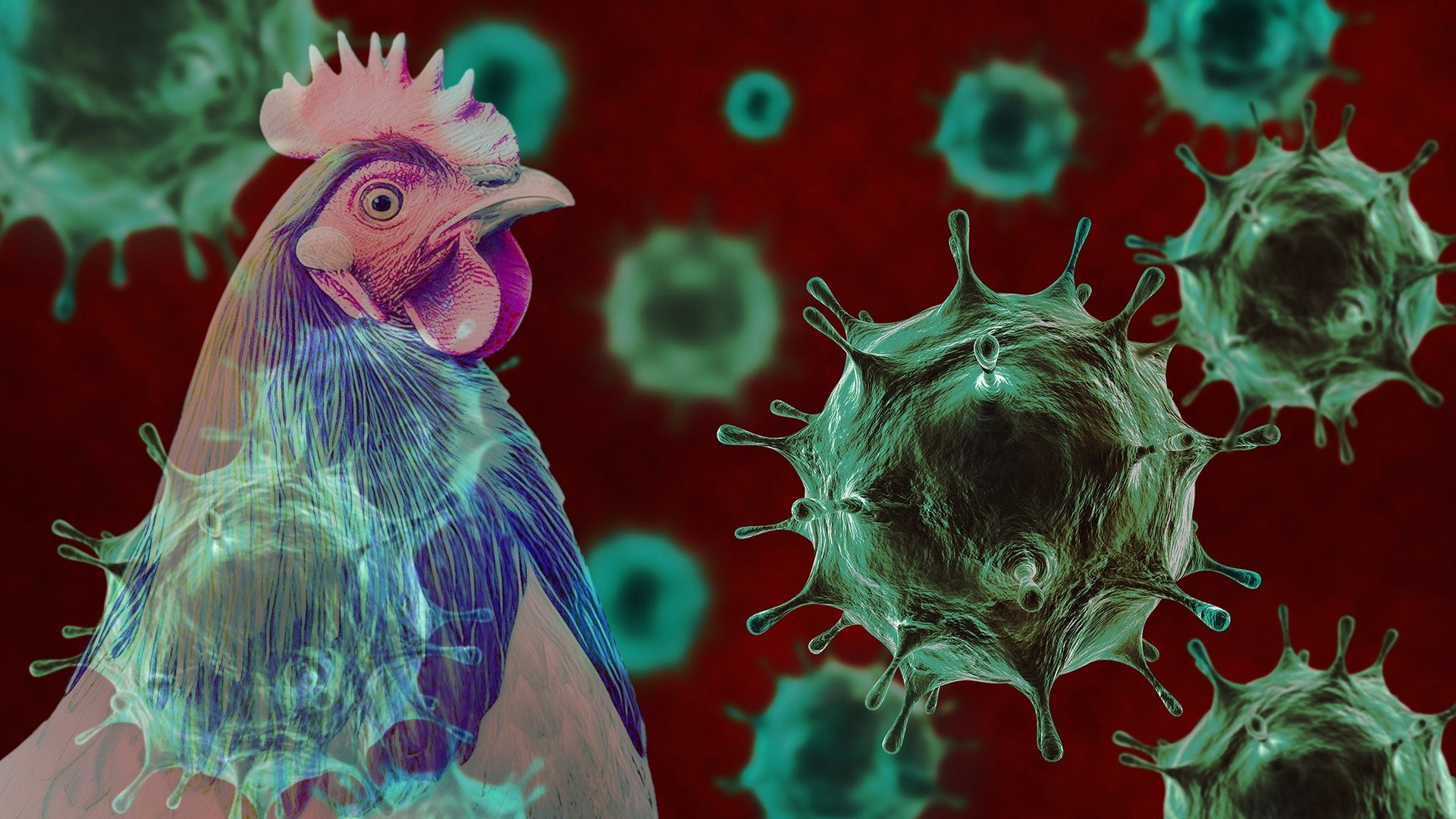
Bird Flu Outbreak Spreads to Victoria: Deadly H5N1 Virus Found in Six More Suspected Cases, Prompting Urgent Warning to Avoid Wildlife
- Victoria’s south-west is on high alert as six more suspected cases of H5N1 bird flu are detected, bringing the total number of cases in the state to seven.
- The deadly disease has already spread across the southern coast through migratory bird populations, with cases reported in Western Australia, South Australia, New South Wales, and Queensland.
- Chief Veterinary Officer Graeme Cooke is urging Victorians to avoid contact with sick or dead wildlife and to report any sightings immediately to help monitor the spread of the disease.
- The outbreak has sparked concerns about the potential impact on the state’s poultry industry and the risk of human transmission.
The discovery of six more suspected cases of H5N1 bird flu in Victoria’s south-west has sent shockwaves through the community, with authorities urging residents to exercise extreme caution when dealing with wildlife.
The deadly disease, which was first confirmed in the state on Thursday, has already spread rapidly across the southern coast, with cases reported in Western Australia, South Australia, New South Wales, and Queensland.
The latest suspected cases were detected in crested terns, with five birds found in Portland and two in nearby Nelson Bay. The samples will undergo further testing at the CSIRO’s Australian Centre for Disease Preparedness to confirm the presence of the virus.

A further suspected case was announced yesterday in Portland, bringing the total number of cases in the state to seven.
The H5N1 strain was first detected in Australia in June, in a brown skua discovered in the Cape Le Grand National Park near Esperance, about 700 kilometres south-east of Perth.




Since then, the virus has spread rapidly through migratory bird populations, with local transmission occurring between greater crested terns in South Australia earlier this week. Victoria’s Chief Veterinary Officer Graeme Cooke is urging residents to take immediate action to prevent the spread of the disease.
“Community observations are crucial in helping us monitor and detect the disease,” he said.
“Their reports support ongoing surveillance and help ensure samples can be collected and tested as quickly as possible.”
Cooke warned Victorians to avoid contact with sick or dead wildlife and to record and report any sightings immediately.
“Early reporting remains one of the most important tools we have for monitoring the spread of the disease,” he said.
Analysis: What This Means for AustraliaThe outbreak of H5N1 bird flu in Victoria has significant implications for the state’s poultry industry, with the potential for widespread infection and economic losses.
The virus has already spread rapidly across the southern coast, and the risk of human transmission cannot be ruled out. Security analysts say the outbreak highlights the need for increased biosecurity measures to prevent the spread of the disease.
“The rapid spread of the virus across the southern coast is a clear indication that our biosecurity measures need to be strengthened,” said one analyst.
Law enforcement insiders warn that the outbreak also poses a risk to public safety, with the potential for the virus to be used as a bioterrorism agent.
“The H5N1 virus is a highly pathogenic strain that can be deadly to humans,” said one insider.
“We need to take immediate action to prevent the spread of the disease and protect the public.”
Industry observers believe that the outbreak will have significant economic implications for the poultry industry, with the potential for widespread infection and losses.
“The poultry industry is a significant contributor to the Australian economy, and an outbreak of this magnitude could have devastating consequences,” said one observer. As the situation continues to unfold, Victorians are urged to remain vigilant and take immediate action to prevent the spread of the disease.
With the risk of human transmission and the potential for economic losses, the outbreak of H5N1 bird flu is a serious threat to the state’s public health and economy.
The discovery of six more suspected cases of H5N1 bird flu in Victoria’s south-west has sent shockwaves through the community, with authorities urging residents to exercise extreme caution when dealing with wildlife. The deadly disease, which was first confirmed in the state on Thursday, has already spread rapidly across the southern coast, with cases reported in Western Australia, South Australia, New South Wales, and Queensland.
The latest suspected cases were detected in crested terns, with five birds found in Portland and two in nearby Nelson Bay. The samples will undergo further testing at the CSIRO’s Australian Centre for Disease Preparedness to confirm the presence of the virus. A further suspected case was announced yesterday in Portland, bringing the total number of cases in the state to seven.
The H5N1 strain was first detected in Australia in June, in a brown skua discovered in the Cape Le Grand National Park near Esperance, about 700 kilometres south-east of Perth. Since then, the virus has spread rapidly through migratory bird populations, with local transmission occurring between greater crested terns in South Australia earlier this week.
Victoria’s Chief Veterinary Officer Graeme Cooke is urging residents to take immediate action to prevent the spread of the disease. “Community observations are crucial in helping us monitor and detect the disease,” he said. “Their reports support ongoing surveillance and help ensure samples can be collected and tested as quickly as possible.”
Cooke warned Victorians to avoid contact with sick or dead wildlife and to record and report any sightings immediately. “Early reporting remains one of the most important tools we have for monitoring the spread of the disease,” he said.
The outbreak of H5N1 bird flu in Victoria has significant implications for the state’s poultry industry, with the potential for widespread infection and economic losses. The virus has already spread rapidly across the southern coast, and the risk of human transmission cannot be ruled out.
Security analysts say the outbreak highlights the need for increased biosecurity measures to prevent the spread of the disease. “The rapid spread of the virus across the southern coast is a clear indication that our biosecurity measures need to be strengthened,” said one analyst.
Law enforcement insiders warn that the outbreak also poses a risk to public safety, with the potential for the virus to be used as a bioterrorism agent. “The H5N1 virus is a highly pathogenic strain that can be deadly to humans,” said one insider. “We need to take immediate action to prevent the spread of the disease and protect the public.”
Industry observers believe that the outbreak will have significant economic implications for the poultry industry, with the potential for widespread infection and losses. “The poultry industry is a significant contributor to the Australian economy, and an outbreak of this magnitude could have devastating consequences,” said one observer.
As the situation continues to unfold, Victorians are urged to remain vigilant and take immediate action to prevent the spread of the disease. With the risk of human transmission and the potential for economic losses, the outbreak of H5N1 bird flu is a serious threat to the state’s public health and economy.