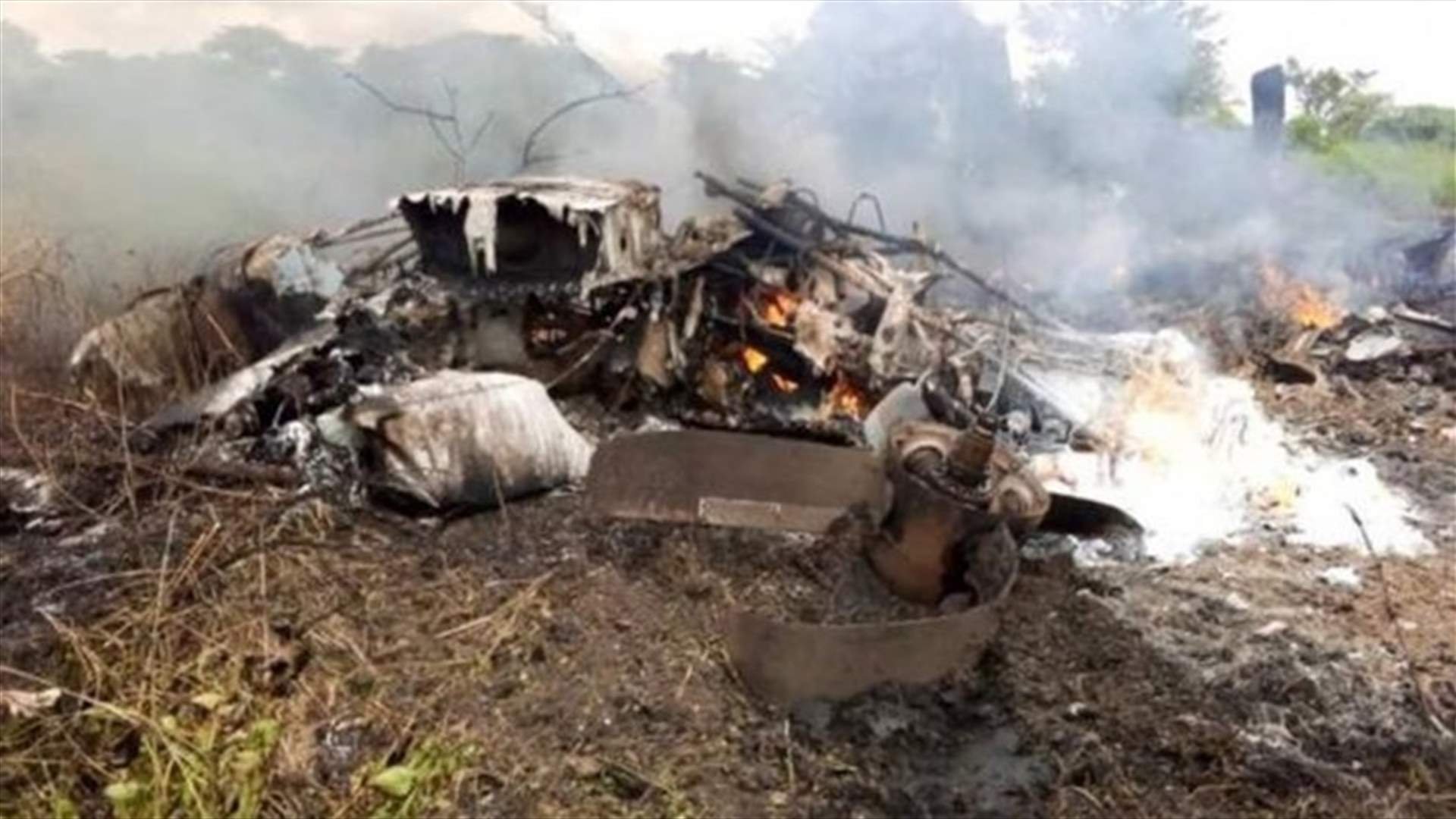
Tragedy in the Skies: 13 Killed in Peru Plane Crash Near Fabled Nazca Lines
- A small plane carrying tourists to view the ancient Nazca Lines in Peru has crashed, killing 13 people, including 11 foreign tourists and two crew members.
- The cause of the crash is unknown, but authorities are investigating the incident, which has sent shockwaves through the tight-knit community of Nazca.
- The Nazca Lines, a UNESCO World Heritage site, are a major tourist destination, attracting over 100,000 visitors each year, and the crash has raised concerns about air safety in the region.
- The crash is the second fatal accident in the area in recent years, following a 2010 incident that killed six people.
The small plane, a Cessna Caravan C-208 aircraft, took off from Pisco Airport at 12:10 pm local time, bound for the Nazca Lines, a series of mysterious geoglyphs etched into the desert floor.
On board were 11 tourists from Germany, Italy, and Spain, as well as two crew members, pilot Américo Salazar and copilot Irenka Guanilo del Carpio.
About 50 minutes into the flight, the crew reported an emergency situation to the control tower at Nazca airport, and all radio contact was lost.
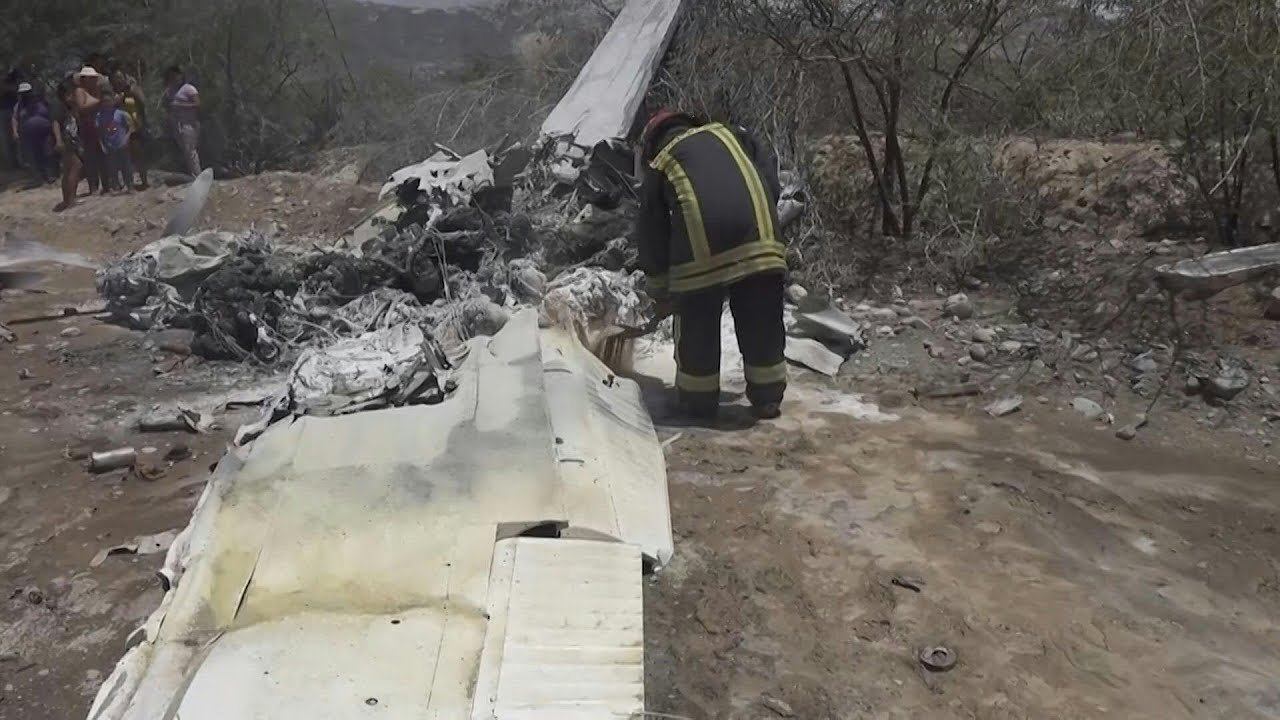
The plane crashed in a field in the area of Socos, approximately 6 kilometers from the city of Nazca and 19 kilometers from the Nazca Lines site.
The impact was catastrophic, with the plane catching fire and making any rescue efforts impossible. Firefighters and municipal police officers were dispatched to the scene to extinguish the flames and carry out initial rescue efforts.



The Nazca Lines are one of Peru’s most famous tourist attractions, and the crash has sent shockwaves through the community.
The lines, which depict various animals and geometric figures, were created by the indigenous people of the region over 2,000 years ago and can only be fully appreciated from the air or from viewing towers.
Analysis: What This Means for Australia
The crash in Peru has raised concerns about air safety in the region, particularly for tourists who flock to the Nazca Lines each year.
While Australia has strict aviation regulations in place, the incident serves as a reminder of the importance of rigorous safety protocols and regular maintenance of aircraft.
Law enforcement insiders warn that the crash could have significant implications for the tourism industry in Peru, which is still reeling from the COVID-19 pandemic.
“This incident is a wake-up call for the Peruvian government to review its aviation safety standards and ensure that all tourist operators are adhering to strict safety protocols,” said one expert.
Security analysts say that the crash could also have broader implications for regional security, particularly in the context of international cooperation on aviation safety.
“The incident highlights the need for increased cooperation between countries to share best practices and ensure that safety standards are met across the board,” said another expert.
Peru’s President Keiko Fujimori has expressed regret over the crash and announced a temporary suspension of the airport pending an investigation. The incident is a sobering reminder of the risks involved in air travel and the importance of prioritizing safety above all else.